
Introduction
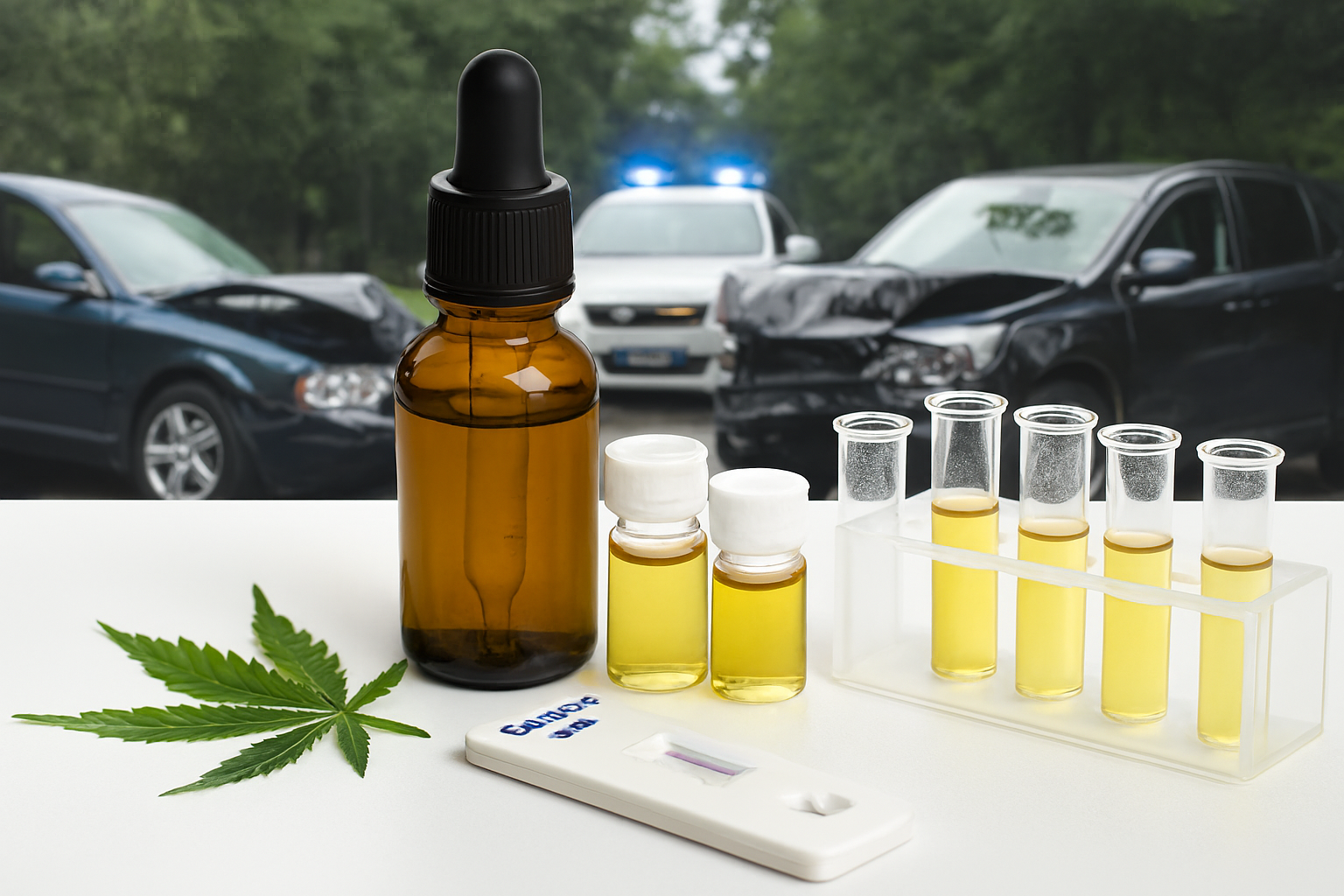
A new report by the American Chemical Society (ACS) has raised serious concerns about the increasing prevalence of tetrahydrocannabinol (THC)—the primary psychoactive component in cannabis—among drivers involved in fatal motor vehicle crashes. According to the findings, more than 40 percent of deceased drivers tested positive for THC, highlighting a troubling connection between cannabis use and impaired driving. This revelation underscores the urgent need for greater awareness, regulation, and research on how marijuana consumption affects driving performance and road safety.
The Alarming Statistics
The ACS analysis examined toxicology data from thousands of fatal motor vehicle crashes across multiple states. Among these cases, over four in ten deceased drivers had detectable levels of THC in their blood at the time of death. Even more concerning, a significant proportion of these individuals tested positive for multiple substances, including alcohol or other drugs, suggesting the presence of polysubstance use, which amplifies impairment and risk.
The rise in THC-related crash fatalities coincides with the growing legalization of recreational and medical cannabis across the United States. While legalization has brought benefits in terms of medical treatment and economic growth, it has also contributed to increased accessibility and normalization of cannabis use—often without a corresponding increase in public understanding of its risks, especially when it comes to driving.
How THC Impairs Driving
THC affects the brain’s motor coordination, reaction time, attention, and perception of time and distance—all of which are critical for safe driving. Unlike alcohol, which has clear legal limits for impairment, THC’s impact varies significantly depending on the method of consumption, dosage, frequency of use, and the individual’s tolerance. This variability makes it difficult to establish universal limits for “safe” THC levels in drivers.
Studies have shown that THC can slow reaction time, reduce the ability to track moving objects, and impair judgment. Drivers under the influence of marijuana may weave within lanes, misjudge distances, or respond too slowly to traffic signals or hazards. When combined with alcohol or other drugs, these effects become far more dangerous.
Challenges in Testing and Regulation
One of the major challenges law enforcement faces is the detection and measurement of THC impairment. Unlike alcohol, which can be measured accurately using breathalyzers, THC requires blood or saliva tests, which must often be conducted within hours of an incident for reliable results. Furthermore, THC can remain detectable in the bloodstream long after its intoxicating effects have worn off—making it difficult to distinguish between recent use and residual traces from previous consumption.
Currently, only a few states have established per se limits for THC in drivers, typically between 2 and 5 nanograms per milliliter of blood, but the scientific validity of these limits remains contested. The ACS report calls for standardized testing protocols and improved roadside detection tools to help law enforcement identify impaired drivers more effectively.
The Role of Public Education
Public education plays a crucial role in preventing cannabis-impaired driving. Many individuals mistakenly believe that marijuana use is less dangerous than alcohol when it comes to driving. In reality, while the degree of impairment may differ, THC still compromises driving ability. Campaigns that emphasize the message “Drive High, Get a DUI” have been launched in several states, but awareness remains uneven.
Healthcare professionals, educators, and policymakers need to collaborate to educate the public about the real risks of driving after cannabis consumption. This includes clarifying misconceptions that marijuana use is harmless or that certain forms of consumption, such as edibles or vaping, are “safe” alternatives before driving.
Looking Ahead
The ACS findings serve as a wake-up call for policymakers, law enforcement agencies, and the public. As cannabis continues to be legalized and socially accepted, the need for clear, science-based regulations becomes even more pressing. Investments in research, roadside testing technology, and driver education will be critical to reducing THC-related crash fatalities.
Ultimately, preventing impaired driving—whether from alcohol, THC, or any other substance—depends on a combination of responsible use, enforcement, and awareness. The data revealing that over 40 percent of deceased drivers had THC in their system is not just a statistic—it’s a reminder that public health and road safety must remain top priorities in the era of expanding cannabis legalization.
Our Products
-
Amoxicillin Capsules 500MG
$1.25 / Per Pill

-
Azithromycin 250MG
$2.00 / Per Pill

-
Cialis 20mg
$1.00 / Per Pill