
Introduction
Polyphenols are natural compounds found in plant-based foods such as fruits, vegetables, tea, coffee, olive oil, nuts, seeds, herbs, and spices. They are known for their strong antioxidant and anti-inflammatory properties. Over recent years, research has consistently shown that diets rich in polyphenols can significantly improve cardiovascular health. These compounds help protect blood vessels, regulate cholesterol, and support overall heart function.
How Polyphenols Improve Blood Vessel Function
One of the major benefits of polyphenols is their ability to improve endothelial function — the ability of blood vessels to relax and maintain healthy blood flow.
Polyphenols stimulate the production of nitric oxide, a molecule that relaxes blood vessel walls.
This improves circulation and helps maintain normal blood pressure.
Foods like berries, green tea, dark chocolate, and red grapes are particularly effective in supporting vascular health due to their high flavonoid content.
Anti-Inflammatory and Antioxidant Effects
Chronic inflammation and oxidative stress are key contributors to heart disease and artery damage. Polyphenols help by:
Neutralizing harmful free radicals, preventing oxidative damage.
Reducing levels of inflammatory markers in the bloodstream.
For example, olive oil and red wine contain polyphenols associated with lower systemic inflammation. This reduces the risk of plaque buildup and arterial stiffness, both of which contribute to cardiovascular disease.
Effects on Cholesterol and Lipid Profile
Healthy cholesterol levels are essential for a strong cardiovascular system. Polyphenols help regulate cholesterol in several ways:
They reduce LDL (bad cholesterol) levels.
They prevent oxidation of LDL, a major step in plaque formation.
Some polyphenols may improve HDL (good cholesterol) levels or support a healthier triglyceride-to-HDL ratio.
Foods like nuts, seeds, cocoa, and dark chocolate show beneficial effects on lipid profiles when consumed regularly as part of a balanced diet.
Support for Blood Sugar and Metabolic Health
Good metabolic health is closely tied to heart health. Polyphenols can improve:
Insulin sensitivity
Blood sugar control
These effects are seen especially in polyphenols from berries, legumes, whole grains, and citrus fruits. Since insulin resistance and high glucose levels increase heart disease risk, improving metabolic balance indirectly supports cardiovascular wellness.
Best Dietary Sources of Polyphenols
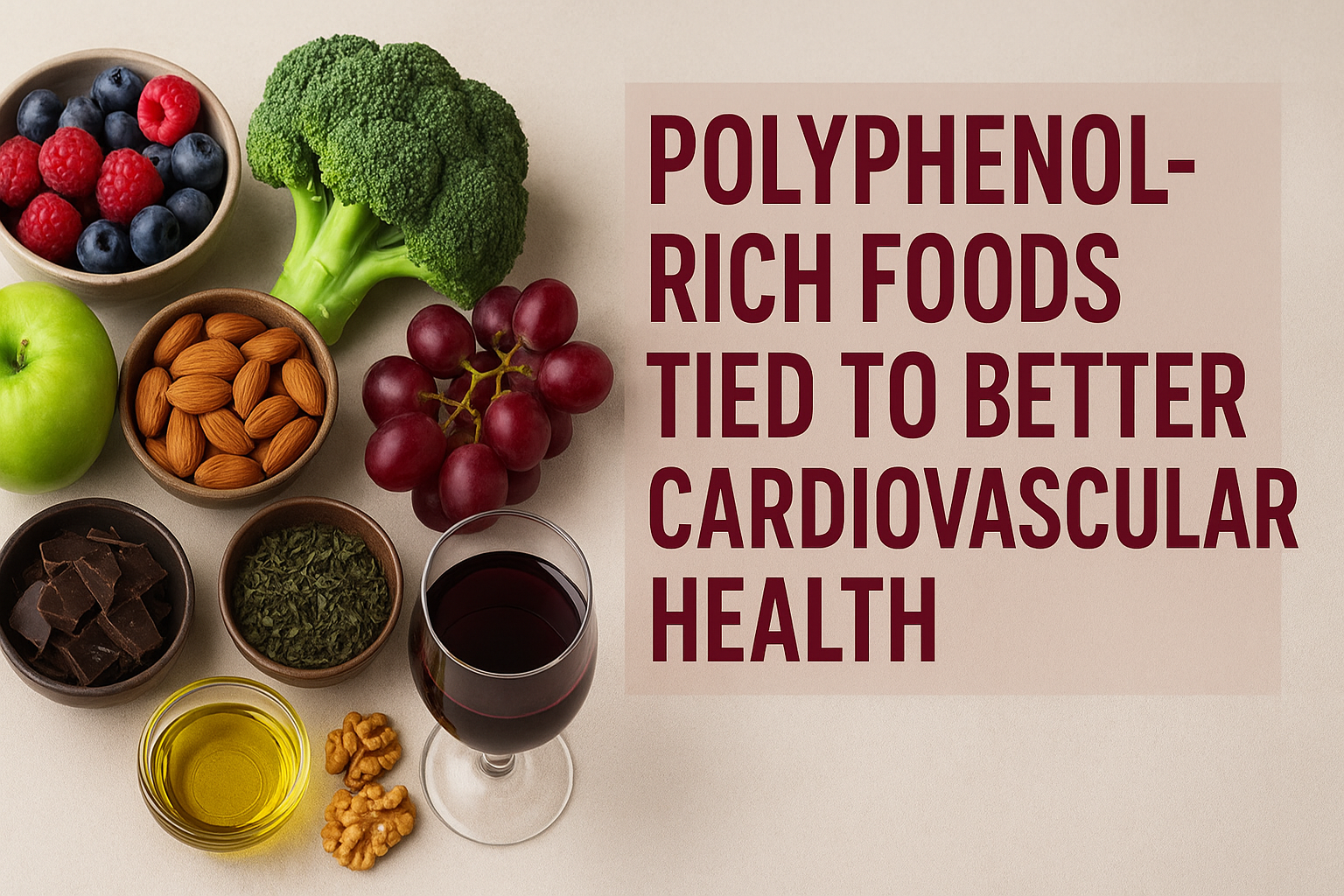
A wide variety of everyday foods are rich in polyphenols. Some of the best include:
Berries (blueberries, blackberries, strawberries)
Green tea & black tea
Coffee
Dark chocolate & cocoa
Extra-virgin olive oil
Apples, grapes, cherries, and citrus fruits
Nuts, especially walnuts and almonds
Spices like turmeric, cinnamon, and cloves
Including these foods daily or weekly helps naturally boost polyphenol intake.
Conclusion
Polyphenol-rich foods support cardiovascular health through multiple mechanisms — improving blood vessel function, reducing inflammation, lowering LDL oxidation, and supporting metabolic balance. While not a replacement for medical treatment, polyphenols are a powerful part of a heart-healthy lifestyle. Incorporating a variety of plant-based foods daily is a simple and effective way to benefit from the protective effects of polyphenols.