
Age-Related Hearing Loss, Tinnitus Linked to Worse Quality of Life
Age-related hearing loss, medically known as presbycusis, is one of the most common chronic conditions affecting older adults worldwide. Often developing gradually, it is frequently accompanied by tinnitus—a persistent ringing, buzzing, or hissing sound in the ears. Together, these conditions significantly affect an individual’s quality of life, influencing physical health, emotional well-being, social relationships, and cognitive functioning. Recent research increasingly highlights how the combined burden of hearing loss and tinnitus can worsen daily living outcomes, especially among aging populations.
Understanding Age-Related Hearing Loss
Age-related hearing loss typically occurs due to changes in the inner ear, auditory nerve, or brain pathways responsible for sound processing. Long-term exposure to noise, genetic factors, cardiovascular disease, diabetes, and certain medications can accelerate this decline. Individuals may struggle to hear high-frequency sounds, follow conversations—particularly in noisy environments—or distinguish speech clearly. Because the onset is gradual, many people delay seeking help, allowing the condition to worsen over time.
The Burden of Tinnitus
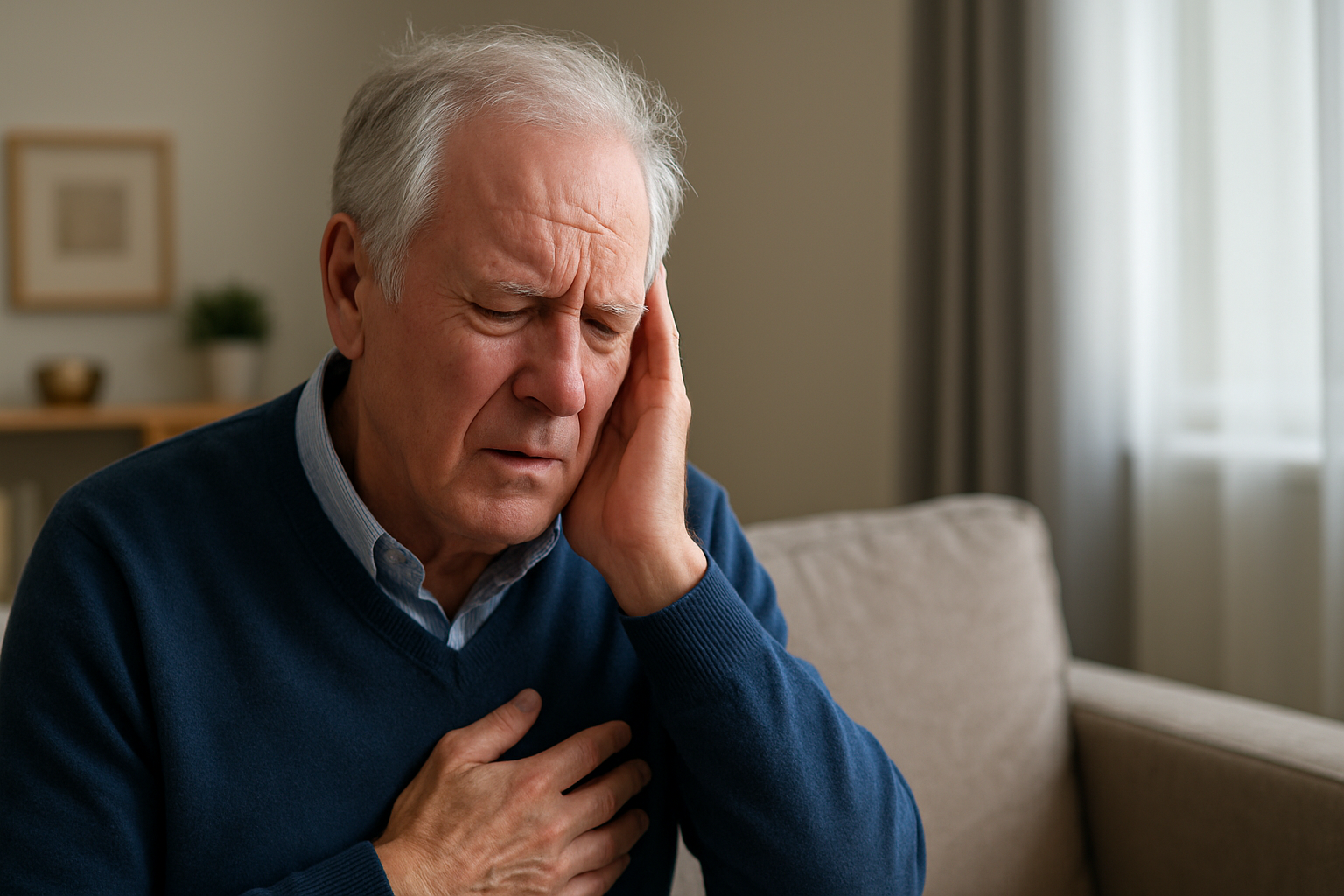
Tinnitus often coexists with hearing loss and can range from mild and intermittent to severe and constant. While tinnitus itself is not a disease, it is a symptom linked to auditory system damage. For many older adults, tinnitus disrupts sleep, concentration, and relaxation. Persistent noise in the ears can lead to frustration, irritability, and feelings of helplessness, especially when relief is limited or inconsistent.
Impact on Quality of Life
The combined presence of hearing loss and tinnitus has been strongly associated with reduced quality of life. Communication difficulties can lead to social withdrawal, as individuals may avoid conversations or group settings to prevent embarrassment or fatigue. Over time, this isolation can contribute to loneliness and reduced participation in family and community activities.
Emotionally, people with untreated hearing problems are at higher risk of anxiety and depression. Tinnitus, in particular, has been linked to increased stress levels and emotional distress. The constant awareness of unwanted sound can heighten mental fatigue and reduce overall life satisfaction. Many individuals report feeling a loss of independence and confidence as their ability to communicate declines.
Cognitive and Physical Consequences
Emerging evidence suggests a connection between hearing loss and cognitive decline. Struggling to hear may force the brain to allocate more resources to sound processing, leaving fewer resources available for memory and thinking. Over time, this increased cognitive load may raise the risk of mild cognitive impairment and dementia. Tinnitus can further compound this effect by interfering with concentration and sleep quality.
Physically, hearing loss has also been associated with balance issues and a higher risk of falls. Reduced auditory input can affect spatial awareness, making older adults more vulnerable to accidents. Poor sleep caused by tinnitus can weaken immunity, increase fatigue, and exacerbate existing health conditions.
Importance of Early Detection and Management
Despite its widespread impact, age-related hearing loss often remains underdiagnosed and undertreated. Regular hearing screenings for older adults can support early identification. Hearing aids, cochlear implants, and assistive listening devices have been shown to improve communication, reduce social isolation, and enhance overall well-being. While hearing aids may not eliminate tinnitus, they often reduce its perception by amplifying external sounds.
In addition, tinnitus management strategies such as sound therapy, cognitive behavioral therapy (CBT), relaxation techniques, and counseling can help individuals cope more effectively. Education and emotional support play a crucial role in reducing distress and improving quality of life.
Conclusion
Age-related hearing loss and tinnitus are more than sensory impairments; they are conditions that deeply affect quality of life across emotional, social, cognitive, and physical domains. As populations age, addressing these issues becomes increasingly important for public health. Early intervention, greater awareness, and accessible hearing care services can help older adults maintain independence, social connection, and overall life satisfaction. Recognizing and treating hearing health as a vital component of healthy aging is essential for improving outcomes and enhancing quality of life in later years.