Composition and Form
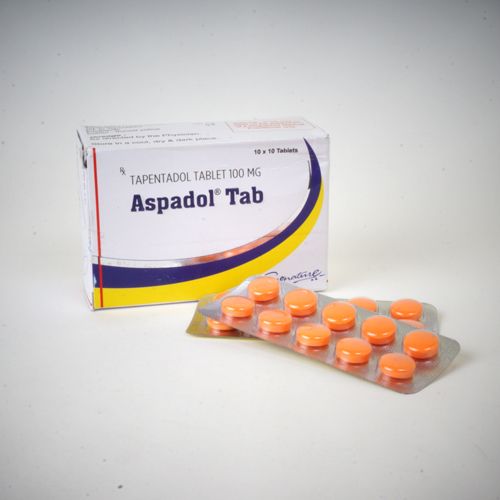
Aspadol 100 mg is a prescription medication containing tapentadol, which is a centrally acting analgesic (pain reliever) used to manage moderate to severe acute and chronic pain. Aspadol belongs to a unique class of medications because it combines two mechanisms of action: it works as a mu-opioid receptor agonist and as a norepinephrine reuptake inhibitor (NRI). This dual action makes it effective in relieving pain that may not respond adequately to non-opioid analgesics.
Composition and Form
Aspadol 100 mg is available as an oral tablet. It contains 100 mg of tapentadol hydrochloride as the active ingredient. Inactive ingredients may include binders, fillers, and coloring agents, depending on the manufacturer.
Mechanism of Action
Tapentadol in Aspadol exerts its pain-relieving effects through two main pathways:
Mu-opioid receptor agonism: Tapentadol binds to and activates mu-opioid receptors in the brain and spinal cord, which are part of the body’s natural pain-control system. This activation reduces the perception of pain.
Norepinephrine reuptake inhibition: By blocking the reuptake of norepinephrine, tapentadol increases the levels of this neurotransmitter in the synaptic cleft. Norepinephrine plays a role in pain modulation within the descending inhibitory pain pathways of the central nervous system.
This combination of actions provides powerful pain relief, making Aspadol suitable for conditions that involve both nociceptive (tissue injury-related) and neuropathic (nerve-related) pain
Indications
Aspadol 100 mg is used to treat:
Moderate to severe acute pain, such as post-surgical pain, musculoskeletal pain, or injury-related pain.
Chronic pain conditions, such as osteoarthritis, lower back pain, and some types of neuropathic pain.
It is typically prescribed when other, non-opioid pain medications have not provided adequate relief or are not appropriate.
Some websites advertise Order Amoxicillin Online – without requiring a prescription. Purchasing from such sources is risky. These sites often operate outside of regulatory oversight, meaning the medication could be counterfeit, expired, contaminated, or improperly dosed. Taking these products could put your health at serious risk.
In addition, taking antibiotics without medical guidance can result in allergic reactions, harmful drug interactions, and ineffective treatment. Which may allow an infection to worsen or spread.
Dosage and Administration
The usual adult dose for Aspadol depends on the severity of the pain and individual patient factors. A common starting dose is 50 to 100 mg every 4 to 6 hours as needed, with a maximum daily dose not exceeding 600 mg. For chronic pain, sustained or extended-release formulations of tapentadol may be preferred.
Aspadol tablets should be swallowed whole with water and not crushed, chewed, or dissolved to avoid rapid release and absorption of a potentially dangerous dose.
Side Effects
Like other opioid medications, Aspadol 100 mg can cause side effects. Common side effects include:
Drowsiness or sedation
Dizziness
Nausea and vomiting
Constipation
Headache
Dry mouth
Fatigue
More serious side effects may include:
Respiratory depression (slow or shallow breathing)
Seizures
Low blood pressure
Risk of dependence, tolerance, and addiction with prolonged use
Allergic reactions, though rare, can occur and may present as rash, itching, swelling, severe dizziness, or difficulty breathing.