Overview: Belzutifan (Welireg) & Its New FDA Approval (May 14, 2025)
On May 14, 2025, the U.S. Food and Drug Administration (FDA) approved Belzutifan (brand name Welireg, developed by Merck & Co.) for the treatment of locally advanced, unresectable, or metastatic pheochromocytoma and paraganglioma (PPGL) in patients 12 years and older—marking it as the first oral systemic therapy for these rare tumors
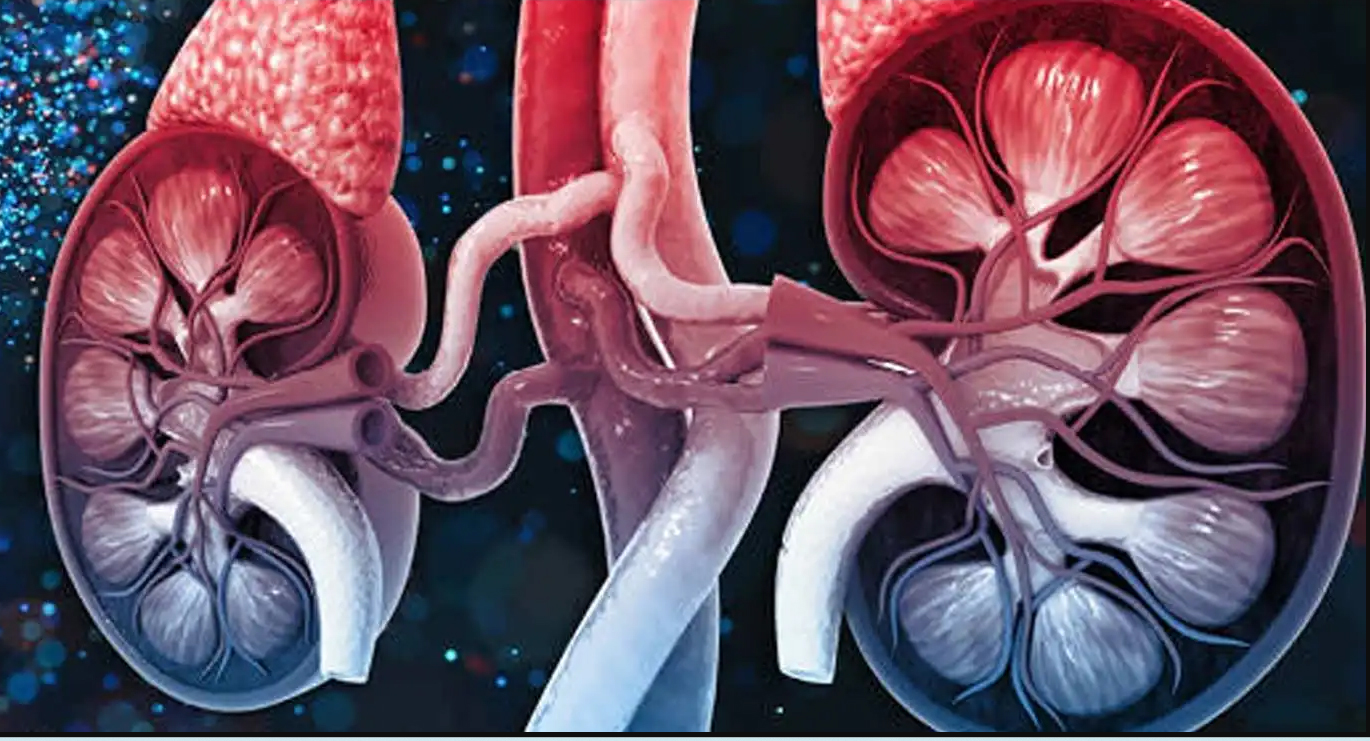
These tumors are neuroendocrine in nature: pheochromocytomas arise in the adrenal gland, while paragangliomas originate in nerve tissues adjacent to blood vessels and nerves outside the adrenal gland . PPGLs are rare, affecting about 2,000 patients annually in the U.S. and over 52,800 globally
Clinical Evidence: LITESPARK-015 Trial
- Objective Response Rate (ORR): Approximately 26% of patients achieved partial or complete responses (95% CI: 17–38%)
- Duration of Response (DOR): The median DOR was 20.4 months (95% CI: 8.3–not reached), with over 50% maintaining response for at least 12 months
- Antihypertensive Medication Reduction: Among the 60 patients on baseline blood pressure medications, 19 (32%) reduced at least one such medication by ≥50% for at least six months
Why This Matters
First-of-its-kind: No previously approved oral systemic options existed for PPGL—treatment relied on surgery or palliative options like Cabometyx, Cometriq, or sunitinib. Azedra, previously approved, was discontinued in 2023 due to limited use and production constraints ReutersFierce PharmaMerck.comWikipedia.
Enhanced Patient Care: Provides a non-surgical, oral option for managing advanced PPGL, potentially transforming the treatment landscape for eligible patients ReutersMerck.comFierce Pharma.
Mechanism of Action & Existing Approvals

Safety & Dosing Highlights
Dosing
Adults: 120 mg orally once daily.
Pediatric (12 or older):
≥ 40 kg: 120 mg once daily.
< 40 kg: 80 mg once daily.
Continue until disease progression or unacceptable toxicity
Safety Profile (LITESPARK-015)
Serious toxicities occurred in ~36% of patients.
Dose reductions in 14%; interruptions in 40%; permanent discontinuation in 2 patients due to adverse events OncLive.
Common adverse reactions (≥25%):
Anemia (96%; Grade 3/4 in 22%)
Fatigue (56%)
Musculoskeletal pain (56%)
Dyspnea (33%)
Headache, dizziness, nausea, lab abnormalities like lymphocyte and liver enzyme changes OncLiveU.S. Food and Drug Administration.
Hypoxia occurred in ~13% of patients (10% Grade 3) and may require supplemental oxygen or hospitalization OncLiveWikipedia+1.