
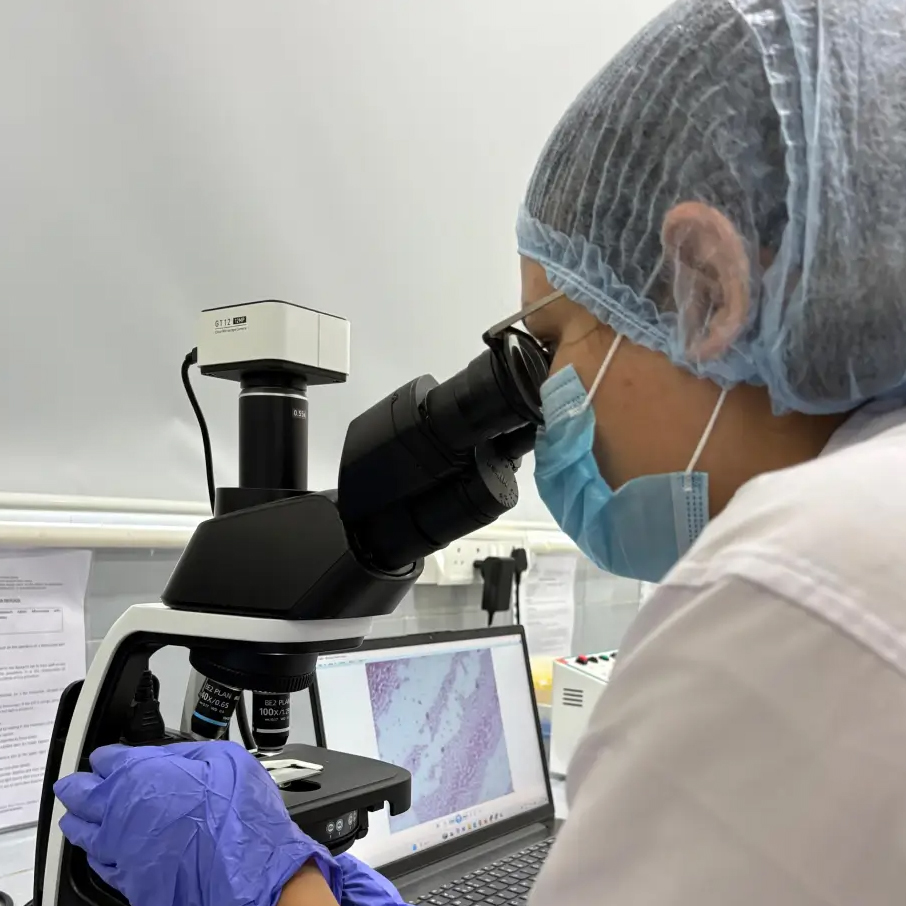
Biotechnology and Enzyme-Based Products
Biotechnology is a broad field that utilizes biological systems, organisms, or derivatives to develop or create new products and technologies. It encompasses a range of disciplines including genetics, microbiology, molecular biology, and biochemistry. A particularly vital area of biotechnology is the use of enzymes—biological catalysts that accelerate chemical reactions without being consumed. Enzyme-based products have found widespread application in various industries due to their efficiency, specificity, and eco-friendly nature.
What is Biotechnology?
The journey of a vaccine begins in the laboratory. Scientists first identify the pathogen—typically a virus or bacterium—and determine which components of it can safely trigger an immune response. These components could be whole inactivated pathogens, protein subunits, viral vectors, or messenger RNA (mRNA), as seen with recent COVID-19 vaccines.
Once a vaccine candidate is developed, it undergoes preclinical testing in cell cultures and animal models. If the results are promising, clinical trials in humans begin. These trials occur in three phases:
Phase I tests safety in a small group of healthy volunteers.
Phase II expands the trial to a larger group to further assess safety and immune response.
Phase III involves thousands of participants to evaluate efficacy and monitor for adverse effects.
Only after passing all phases does a vaccine receive approval from regulatory bodies like the U.S. Food and Drug Administration (FDA), the European Medicines Agency (EMA), or the World Health Organization (WHO).
Once approved, vaccines move into full-scale production. Manufacturing is conducted in specialized facilities with high biosafety standards. Quality control is critical—each batch is rigorously tested to ensure it meets safety, potency, and purity standards. Manufacturing can take weeks to months, depending on the type of vaccine. mRNA vaccines, for instance, can be produced more quickly than traditional inactivated or live-attenuated vaccines.
Role of Enzymes in Biotechnology
Enzymes are proteins that act as catalysts in biochemical reactions. Due to their ability to work under mild conditions (e.g., ambient temperature and neutral pH), enzymes are used in processes where conventional chemical catalysts may be inefficient or harmful.
In biotechnology, enzymes are often produced through fermentation using microorganisms such as bacteria, fungi, or yeasts. Recombinant DNA technology allows for the overproduction of specific enzymes by inserting the gene coding for the desired enzyme into a host organism.
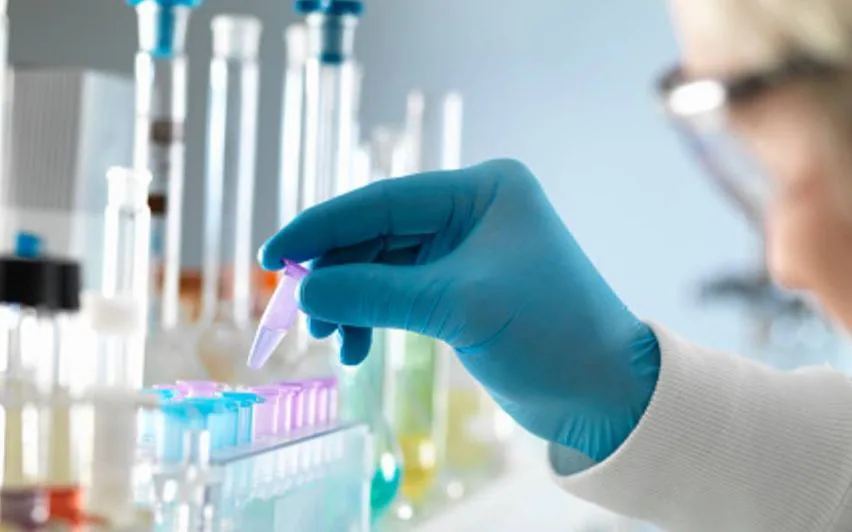
Enzymes are prized for their:
Specificity: They act on specific substrates, reducing unwanted by-products.
Biodegradability: They break down naturally and pose minimal environmental risks.
Efficiency: They speed up reactions, reducing energy and time costs.
Enzyme-Based Products and Applications
Detergents: Enzymes such as proteases, lipases, and amylases are widely used in laundry and dishwashing detergents to break down protein, fat, and starch-based stains. These enzymes help reduce the need for high-temperature washing, saving energy and water.
Food Industry: Enzymes are used in baking (amylases for dough conditioning), brewing (proteases and glucanases for clarity and flavor), cheese-making (rennet enzymes for milk coagulation), and juice production (pectinases for improved yield and clarity).
Pharmaceuticals: Enzymes play key roles in the synthesis of antibiotics and therapeutic proteins. Enzyme replacement therapy is used to treat diseases like Gaucher’s or Fabry disease. Moreover, diagnostic enzymes help detect diseases (e.g., glucose oxidase in diabetes monitoring).
Textile and Leather: Enzymes like cellulases and proteases help in fabric finishing, stonewashing denim, and degreasing leather—replacing harsh chemicals and improving product quality.
Biofuels: Cellulases and hemicellulases break down plant biomass into fermentable sugars, which are then converted into bioethanol. This contributes to the development of sustainable and renewable energy sources.
Agriculture: Enzyme-based biofertilizers enhance nutrient availability in soil. Enzymes are also part of biopesticides that are safer and more targeted than synthetic chemical pesticides.

Future Outlook
With the increasing emphasis on sustainability and green technology, enzyme-based products are poised to play a greater role in industrial biotechnology. Advancements in genetic engineering, metagenomics, and protein engineering are leading to the discovery of novel enzymes with improved stability, activity, and range of applications. Moreover, the convergence of AI and biotech is accelerating enzyme design and optimization, making these products more efficient and cost-effective.
In conclusion, the combination of biotechnology and enzyme-based products represents a powerful toolset for innovation across industries. These technologies not only improve production efficiency and product quality but also contribute to environmental conservation and human health.
Our Products
-
Fenbendazole 500mg
$3.00 / Per Pill

-
Lovegra 100mg
$1.50 / Per Pill

-
Testosterone Enanthate
$240.00 / Per 10ml