Environmental health by passing legislation
California has taken a significant step in environmental health by passing legislation to ban per- and polyfluoroalkyl substances (PFAS), commonly known as “forever chemicals,” in various consumer products. These synthetic chemicals, notorious for their persistence in the environment and human body, have been linked to serious health issues such as cancer, liver damage, and developmental delays. The new law, Senate Bill 682 (SB 682), was approved by the California Legislature and is now awaiting Governor Gavin Newsom’s signature. If enacted, it will phase out PFAS in several product categories over the next decade.
Scope of the Ban
SB 682 targets a broad range of consumer goods that contain intentionally added PFAS. The legislation sets specific timelines for the phase-out:
Food Packaging: Starting in 2028, the sale and distribution of food packaging containing intentionally added PFAS will be prohibited.
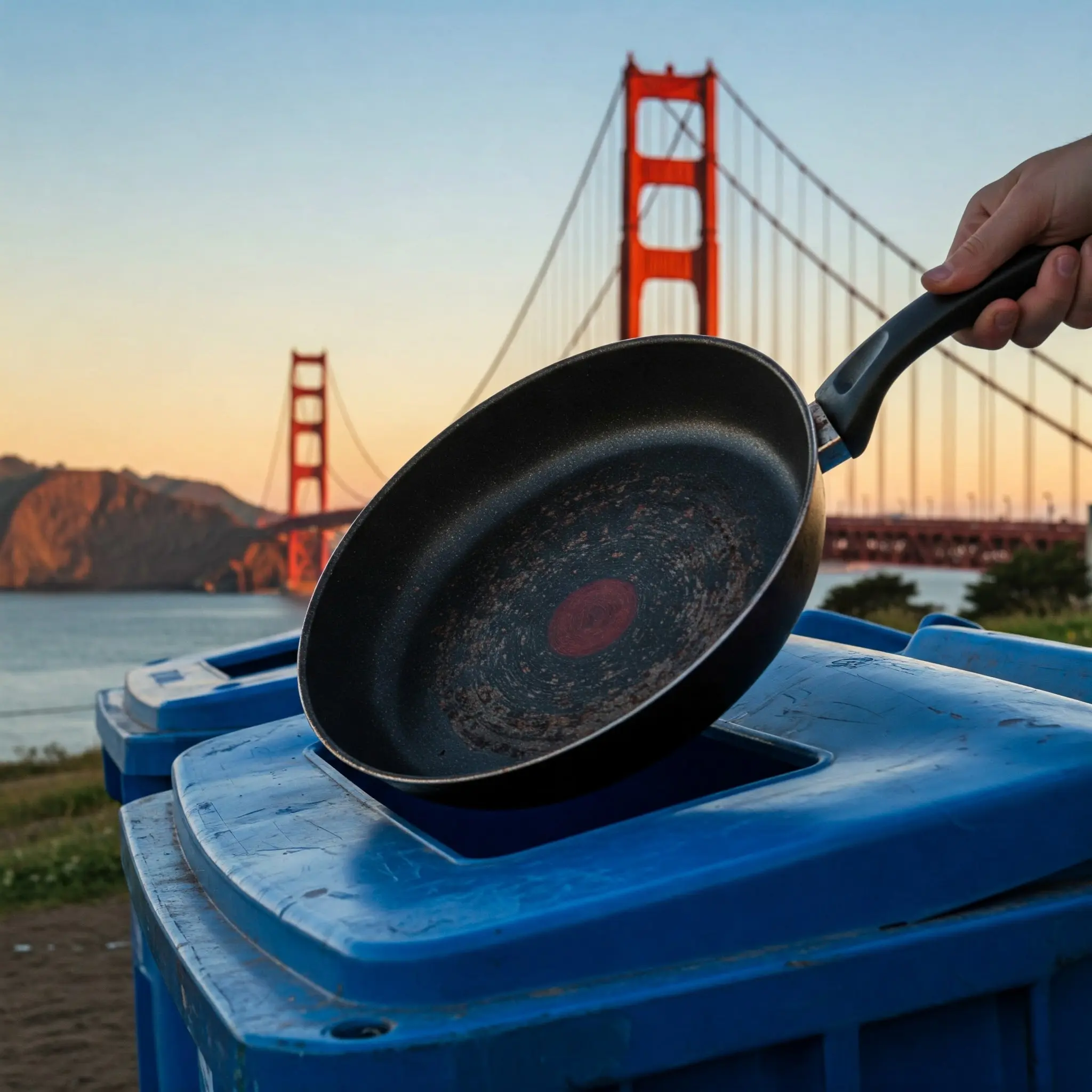
Cookware: The ban on cookware with added PFAS will take effect in 2030.
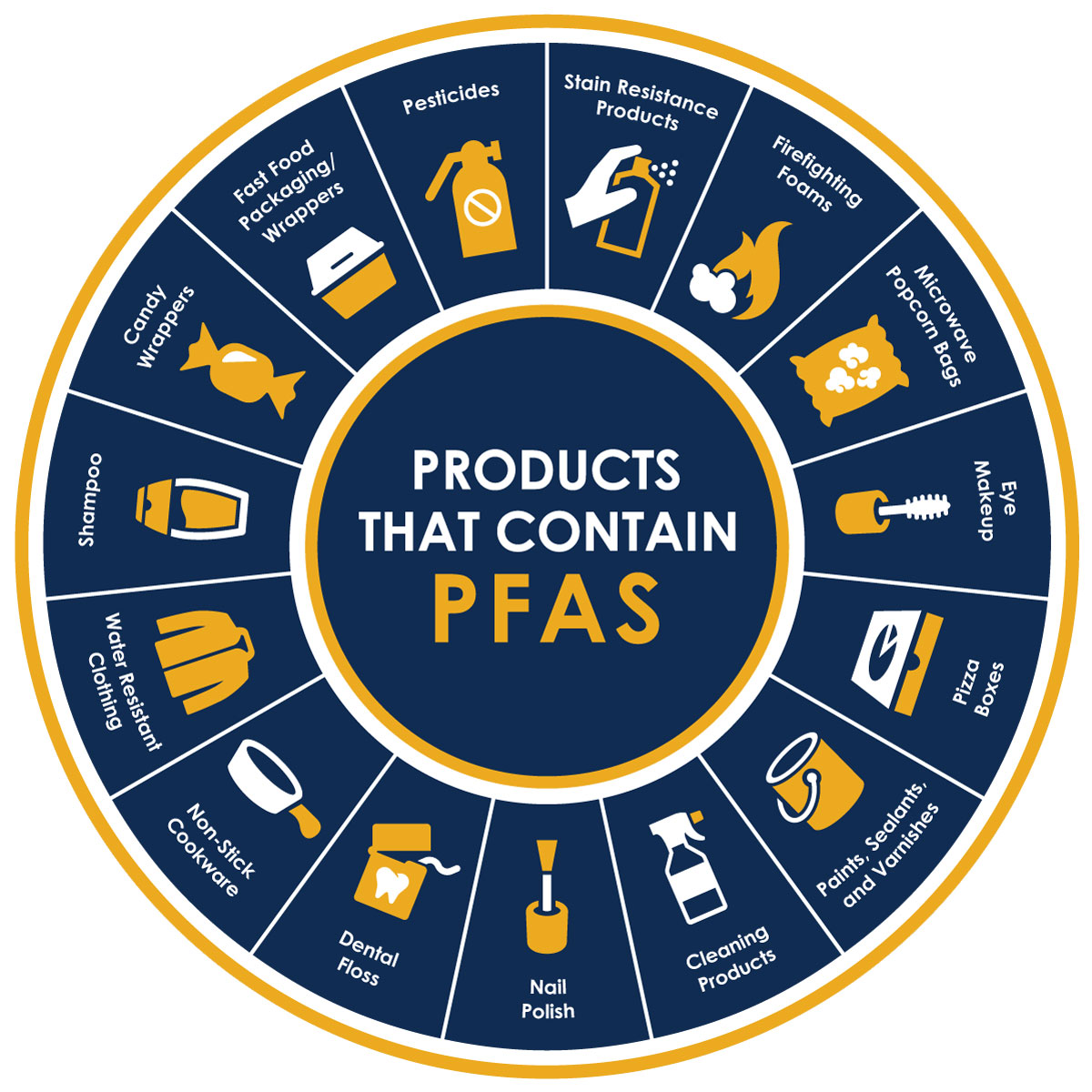
Other Products: The law also addresses PFAS in cleaning products, dental floss, ski wax, and certain children’s items not covered by previous laws. These products will be phased out beginning in 2028.
Health and Environmental Implications
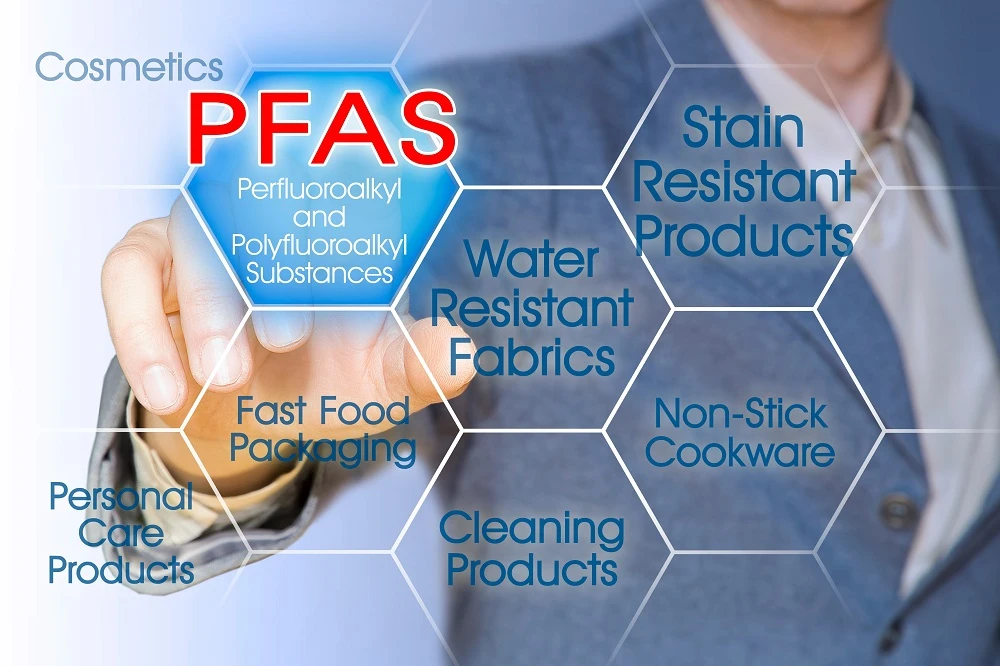
PFAS are widely used for their water- and oil-repellent properties, making them common in non-stick cookware, stain-resistant fabrics, and water-resistant clothing. However, their persistence in the environment and human body has raised significant health concerns. Studies have linked PFAS exposure to various health problems, including cancer, liver damage, and developmental delays. The new legislation aims to reduce these risks by eliminating unnecessary uses of PFAS in consumer products.
Industry Response and Economic Considerations
The ban has sparked debate among industry stakeholders. Supporters, including environmental groups and public health advocates, argue that the legislation is a necessary step to protect public health and the environment. They emphasize that safer, cost-effective alternatives to PFAS are available for many of the affected products. NRDC
Opponents, such as the Cookware Sustainability Alliance, contend that the law is unnecessary and may overlook scientific evidence distinguishing safe types of PFAS, like fluoropolymers, which are FDA-approved for food use. Critics also warn of potential economic repercussions, including increased costs for households—estimated at $300 per cookware set—higher restaurant expenses, potential job losses, and increased landfill waste. The Sun
Broader Regulatory Context
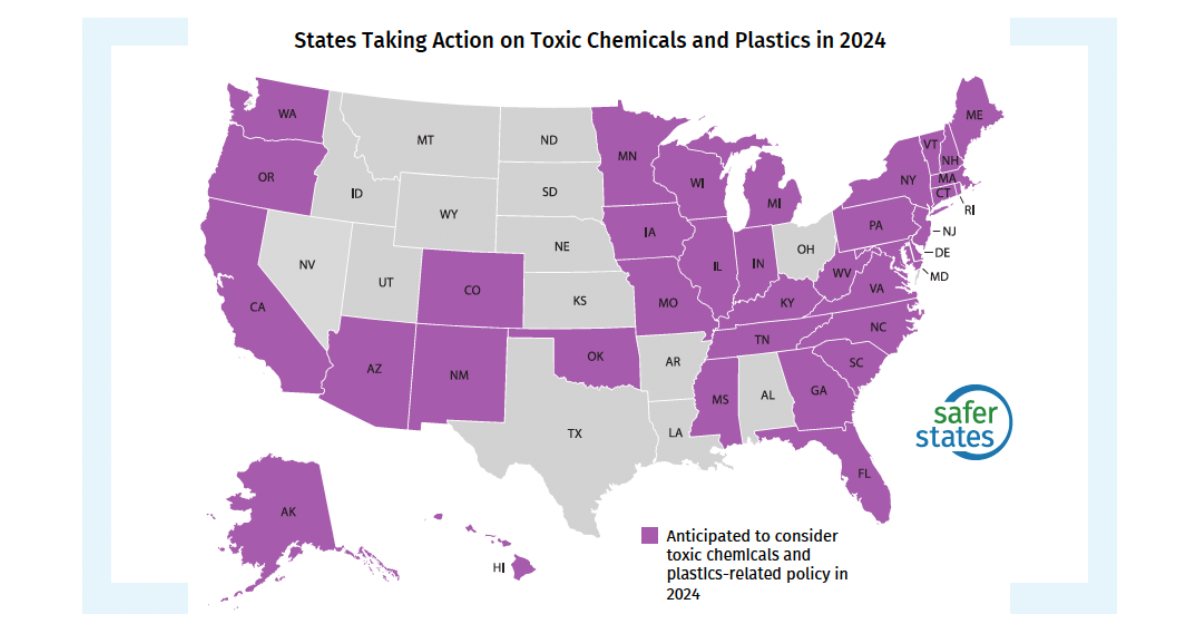
California’s move aligns with a growing trend among U.S. states to regulate PFAS in consumer products. At least 16 states have adopted 22 PFAS-related measures in 2024 alone, targeting products such as apparel, cleaning products, cookware, and cosmetics. Stateline This legislative momentum reflects increasing public awareness and concern over the health and environmental impacts of PFAS.
Looking Ahead
As the bill awaits Governor Newsom’s decision, California stands at the forefront of a national movement to regulate “forever chemicals.” If signed into law, SB 682 will not only protect Californians from the risks associated with PFAS but also set a precedent for other states considering similar legislation. The law’s phased implementation provides time for industries to transition to safer alternatives, aiming to balance public health priorities with economic considerations.
In conclusion, California’s proposed ban on PFAS in cookware and other consumer products represents a significant step toward reducing exposure to these harmful chemicals. While the legislation has sparked debate, it underscores the state’s commitment to environmental health and sets a potential model for nationwide regulatory efforts.