
Introduction
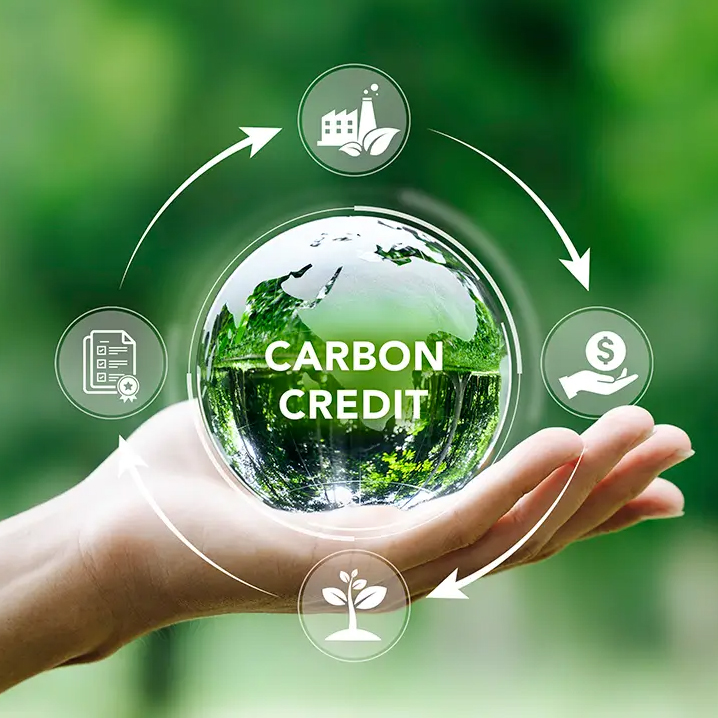
Carbon credits and emissions trading are key mechanisms in global efforts to combat climate change by reducing greenhouse gas (GHG) emissions. These market-based approaches incentivize companies and countries to limit their carbon footprint while promoting sustainable practices. By allowing the trade of emissions allowances, these systems encourage efficiency and innovation in carbon reduction strategies.
What Are Carbon Credits?
A carbon credit is a permit representing the right to emit one metric ton of carbon dioxide (CO2) or an equivalent amount of another GHG. These credits are generated through various emission reduction projects, such as reforestation, renewable energy development, and energy efficiency improvements. Carbon credits can be bought and sold in both compliance and voluntary markets.
Types of Carbon Credits
Compliance Credits: Used in regulated emissions trading systems (ETS) where companies must meet legally mandated emissions limits.
Voluntary Credits: Purchased by businesses or individuals who want to offset their carbon footprint outside of regulatory requirements.
Emissions Trading Systems (ETS)
Emissions trading, also known as cap-and-trade, is a market-based approach that sets a limit (cap) on total emissions while allowing businesses to buy and sell allowances (permits to emit). The system aims to reduce overall emissions cost-effectively.
How Emissions Trading Works
Setting a Cap: A government or regulatory body establishes a maximum allowable level of emissions.
Allocating Allowances: Companies receive or buy emissions allowances, each permitting them to emit a certain amount of CO2.
Trading: Firms that reduce emissions below their allowance can sell excess credits to others that exceed their limits.
Compliance and Enforcement: Periodic monitoring ensures compliance, with penalties for exceeding limits without sufficient credits.
Benefits of Carbon Credits and Emissions Trading
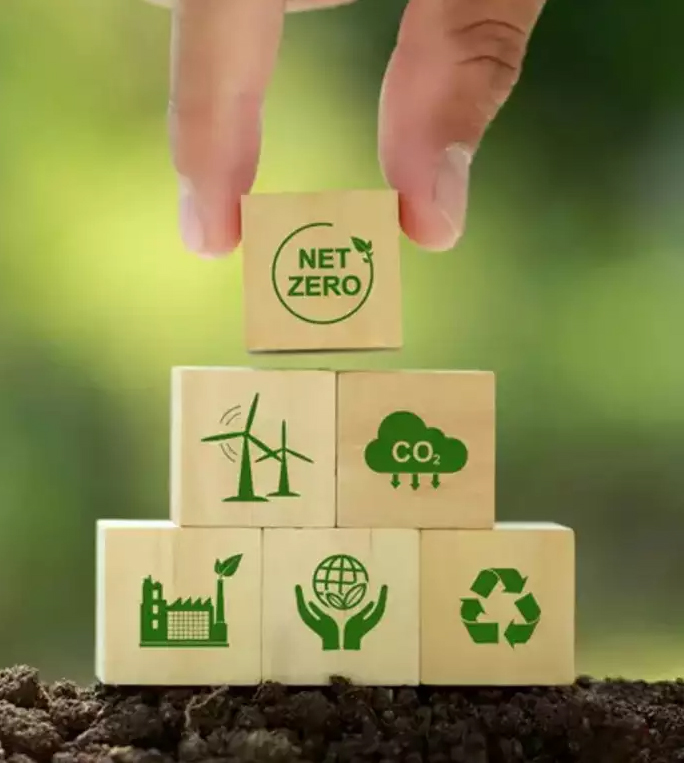
Economic Efficiency: By allowing market forces to determine the cost of emissions reductions, these systems ensure that reductions occur at the lowest possible cost.
Innovation and Investment: Companies are incentivized to invest in cleaner technologies to reduce emissions and sell surplus credits.
Global Impact: Carbon trading systems help align international climate policies, encouraging cooperation in achieving emission reduction targets.
Corporate Responsibility: Voluntary carbon markets enable businesses to enhance their environmental reputation and meet sustainability goals.
Challenges and Criticisms
Market Volatility: Prices of carbon credits can fluctuate, making it difficult for businesses to plan long-term investments.
Regulatory Complexity: Different countries and regions have varied rules, making global coordination challenging.
Credibility of Offsets: Some critics argue that certain carbon offset projects lack transparency or do not provide genuine emission reductions.
Carbon Leakage: Companies might relocate operations to regions with less stringent emissions regulations, undermining overall environmental goals.
Notable Carbon Trading Markets
European Union Emissions Trading System (EU ETS): The largest and most established carbon market, covering multiple industries across Europe.
California Cap-and-Trade Program: A leading U.S. initiative that sets emission limits for major industries.
Regional Greenhouse Gas Initiative (RGGI): A cooperative effort among northeastern U.S. states to reduce emissions from the power sector.
China’s National ETS: The world’s largest carbon market, launched to curb emissions from major industrial sectors.
Future Prospects
The carbon credit and emissions trading markets are expected to grow as more countries implement climate policies aligned with the Paris Agreement. Emerging technologies such as carbon capture and storage (CCS) and blockchain for transparent credit tracking could further enhance market efficiency. Additionally, the push for global carbon pricing mechanisms may lead to more unified and effective climate action.
Conclusion
Carbon credits and emissions trading represent essential tools in mitigating climate change by providing financial incentives for emission reductions. While challenges remain, ongoing developments in policy, technology, and international cooperation are likely to strengthen these markets, driving a more sustainable future.
Our Products
-
Tadaga Super 60mg
$2.00 / Per Pill

-
Lovegra 100mg
$1.50 / Per Pill

-
Testosterone Enanthate
$240.00 / Per 10ml