Everyday Chemist

Chemistry

Chemistry

California Votes To Ban PFAS ‘Forever Chemicals’ in Cookware, Other Items

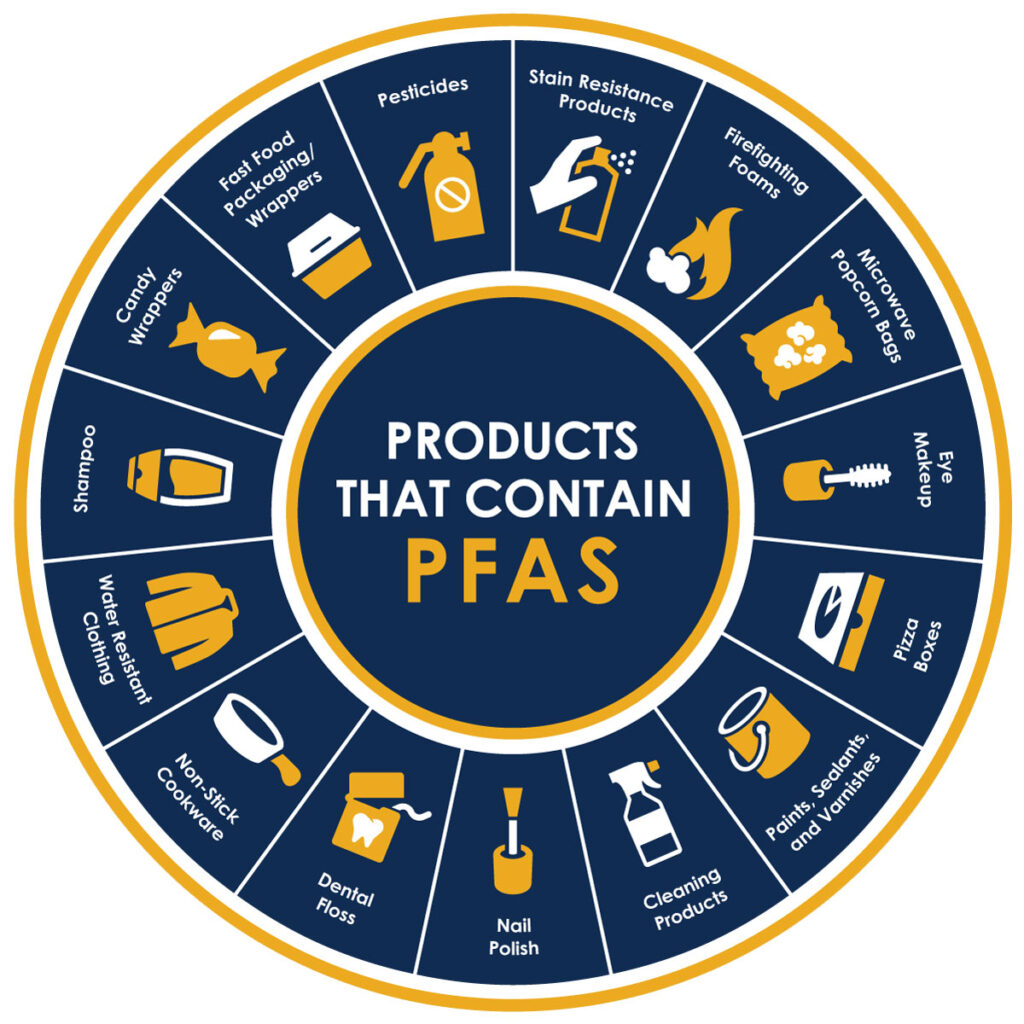
Forever Chemicals – California has taken a significant step in environmental health by passing legislation to ban per- and polyfluoroalkyl substances (PFAS), commonly known as “forever chemicals,” in various consumer products. These synthetic chemicals, notorious for their persistence in the environment and human body, have been linked to serious health issues such as cancer, liver damage, and developmental delays. The new law, Senate Bill 682 (SB 682), was approved by the California Legislature and is now awaiting Governor Gavin Newsom’s signature. If enacted, it will phase out PFAS in several product categories over the next decade.
Medicine at Your Doorstep
Chemistry

Comparison Between Valium and Zopiclone

Valium (generic name: diazepam) and Zopiclone are both medications that act on the central nervous system to produce sedative and calming effects.

Valium (generic name: diazepam) and Zopiclone are both medications that act on the central nervous system to produce sedative and calming effects. While they share some similarities, particularly in their use for anxiety and sleep-related disorders, they differ significantly in their chemical structure, duration of action, dependency potential, and clinical applications.

Chemistry

Chemistry of Water

Water (H₂O) is one of the most essential and abundant substances on Earth, playing a crucial role in various physical, chemical, and biological processes. The unique chemical structure of water contributes to its remarkable properties, making it vital for life and numerous natural phenomena.

Chemistry

Chemistry of Rust and How to Prevent

Introduction
Rust is a common problem that affects iron and its alloys, leading to significant economic and structural damage. Rusting is a chemical process that occurs when iron reacts with oxygen and water, forming iron oxides. Understanding the chemistry behind rust and methods to prevent it is crucial for maintaining the integrity of metallic structures.

Chemistry

How Soap Works: The Chemistry of Clean

We use soap every day—on our hands, in the shower, and to wash our dishes—but have you ever wondered what actually makes it clean? The magic of soap lies not just in its bubbles or scent, but in chemistry. It’s a simple yet powerful example of how molecules interact with each other to solve one of life’s dirtiest problems: grease and grime.

Scroll to Top