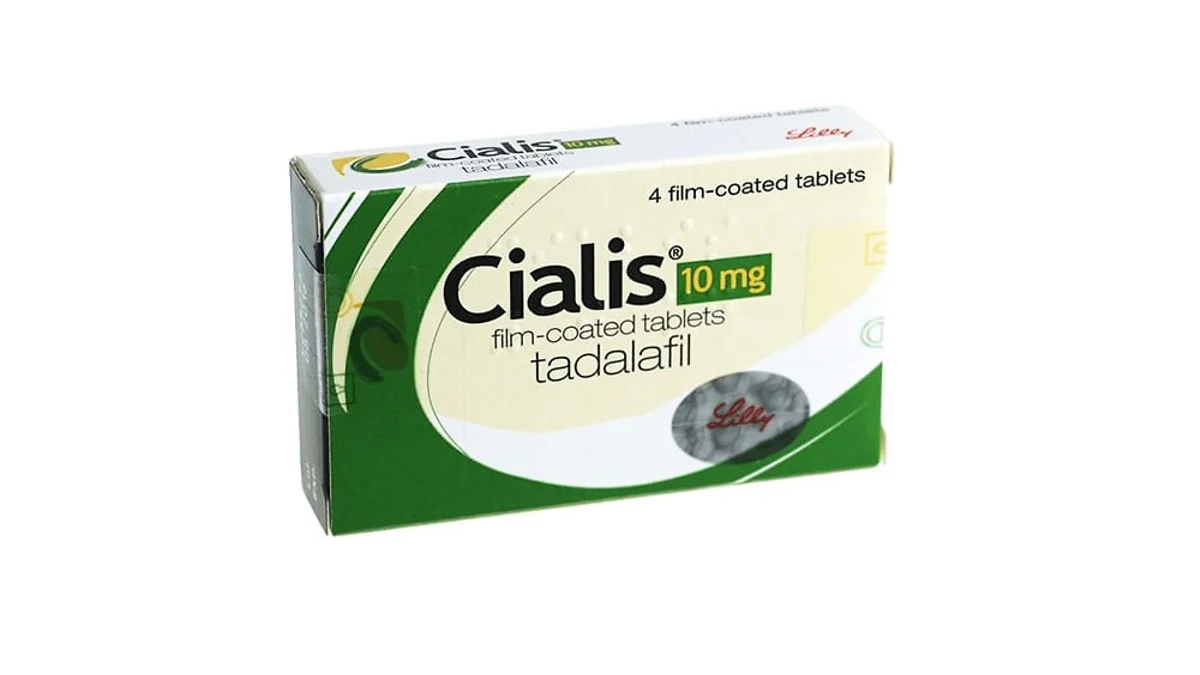
Cialis is the brand name for tadalafil, a prescription medication used primarily to treat erectile dysfunction (ED) and benign prostatic hyperplasia (BPH). It belongs to a class of drugs called phosphodiesterase type 5 (PDE5) inhibitors. Tadalafil is also marketed under the brand name Adcirca for the treatment of pulmonary arterial hypertension (PAH).
Table of Contents
Mechanism of Action Cialis Prescription
Cialis Prescription works by enhancing the natural process of erection during sexual stimulation. Normally, sexual arousal causes the release of nitric oxide in the corpus cavernosum of the penis. This nitric oxide activates an enzyme called guanylate cyclase, which increases levels of cyclic guanosine monophosphate (cGMP). The rise in cGMP leads to smooth muscle relaxation and increased blood flow into the penis, producing an erection.
Cialis inhibits the PDE5 enzyme, which is responsible for the breakdown of cGMP. By blocking PDE5, tadalafil allows cGMP levels to remain elevated longer, resulting in prolonged smooth muscle relaxation and improved erectile function. It is important to note that Cialis does not cause an erection on its own; sexual stimulation is required for it to be effective.
Erectile dysfunction (ED): The inability to achieve or maintain an erection sufficient for satisfactory sexual performance.
Benign prostatic hyperplasia (BPH): Enlargement of the prostate gland, causing urinary symptoms such as frequent urination, urgency, and difficulty starting urination.
ED with BPH: Cialis can treat both conditions simultaneously.
Pulmonary arterial hypertension (as Adcirca): To improve exercise ability in patients with high blood pressure in the arteries of the lungs.
Cialis is available in various strengths, including 2.5 mg, 5 mg, 10 mg, and 20 mg tablets. The dosage depends on the condition being treated and individual patient response:
For ED: Cialis can be taken as needed (10 mg or 20 mg prior to anticipated sexual activity) or once daily (2.5 mg or 5 mg at approximately the same time each day).
For BPH or ED with BPH: The typical dose is 5 mg once daily.
For pulmonary arterial hypertension (Adcirca): The dosing is usually 40 mg once daily.
An Cialis Prescription can be taken with or without food. Alcohol intake should be limited, as excessive alcohol consumption can increase the risk of side effects such as low blood pressure and dizziness.
These side effects are usually mild and transient. Muscle aches and back pain typically occur 12 to 24 hours after dosing and usually resolve within 48 hours.
Rare but serious side effects include:
Priapism (a prolonged and painful erection lasting more than 4 hours)
Sudden vision loss (due to non-arteritic anterior ischemic optic neuropathy)
Sudden hearing decrease or loss
Patients experiencing these severe side effects should seek immediate medical attention.