
Overview
Ongoing conflict in eastern Democratic Republic of Congo (DRC) has led to a severe shortage of essential medicines in over 200 health facilities, intensifying an already grave humanitarian crisis in the region. A report by the International Committee of the Red Cross (ICRC) revealed that over 80% of clinics and health centers in the North and South Kivu provinces are now operating without medication.
What’s Causing the Medical Collapse?
Several interlocking factors have contributed to this collapse:
Armed Conflict and Instability
Rebel groups, most notably the M23, have escalated offensive operations, seizing major cities such as Goma and Bukavu. Their control over territories, fighting around frontlines, and frequent looting have disrupted supply lines for essential medical goods.Disrupted Supply Chains
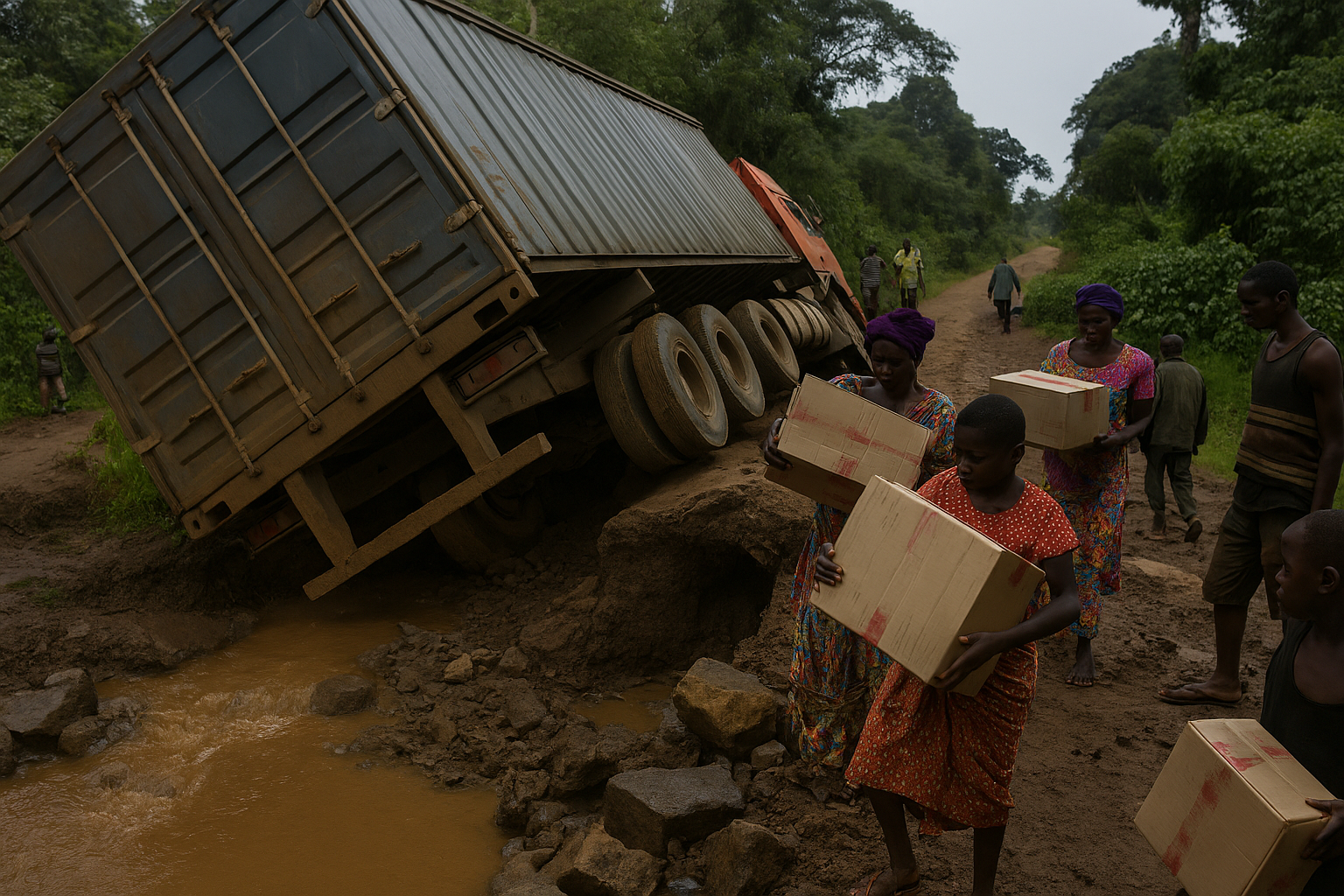
Even when medicines are available elsewhere, getting them into conflict‐affected zones is increasingly difficult. Crossings over front lines are dangerous or blocked, transport is risky, and the logistics of delivering medicines safely have been severely impaired.Humanitarian Funding Shortfalls
Many international and aid agencies have reduced or ceased operations in parts of eastern Congo because of funding shortages. The ICRC’s assessment notes that over 80% of health facilities are receiving no assistance from humanitarian partners.Staffing Challenges
Alongside missing supplies, the conflict has forced many health workers to flee. Roughly 40% of the facilities report staff shortages, and about 13% are completely non-operational.
Diseases & Consequences at Risk
The medicine shortages are not just an inconvenience — they’re life-threatening. The lack of treatment is affecting prevention and care for major killer diseases in the region:
Malaria
HIV/AIDS
Tuberculosis
Without timely treatment, mortality from these diseases could increase sharply. Clinics are unable to provide antimalarial drugs, HIV therapies, or tuberculosis medication. Many preventive measures and diagnostics are also compromised.
The Human Toll
The implications extend beyond health facilities:
Patients are suffering, sometimes dying, just for lack of basic medicine.
Vulnerable groups — pregnant women, children, people with chronic illnesses — are disproportionately affected.
People are displaced: over 7 million have been forced to leave their homes due to the violence.
Many facilities that remain open are operating under extreme duress, surviving only because of the dedication of local staff who risk their lives to help.
What Needs to Happen
To prevent disaster, several steps are urgent:
Safe Passage & Humanitarian Corridors
All parties in the conflict must ensure safe access for medical supplies and personnel. Without secure routes, medicines will continue to be blocked.Increased Funding
More support is needed now from international donors to keep health facilities functional and to restock essential drugs.Support for Health Workers
Protecting medical staff, providing them with security, and supporting them psychologically and logistically is critical.Logistical Innovations
Using air drops, mobile clinics, and decentralized storage can help reach remote or frontline areas.
Looking Ahead
The healthcare crisis in eastern Congo is a stark reminder of how fragile systems can collapse under sustained conflict. With war cutting off access to medicine, both acute and chronic health threats loom large. The world must act swiftly to restore basic medical services, else the death toll from preventable diseases is likely to soar.
The findings from the ICRC survey are not just data points — they are warning signs. And for thousands who depend on these health facilities, delay is not an option.