
Blood Sugar Balance
One of the most important aspects of hormonal health is keeping blood sugar levels stable. Constant spikes and crashes in glucose can stress the adrenal glands, increase cortisol production, and disrupt insulin sensitivity—all of which contribute to hormone imbalance. A diet rich in complex carbohydrates, fiber, healthy fats, and lean protein helps regulate blood sugar. Whole foods such as oats, quinoa, legumes, leafy greens, and nuts slow the release of glucose into the bloodstream. Pairing carbohydrates with protein or fat—such as an apple with almond butter—prevents rapid spikes in blood sugar and helps sustain energy levels.
🎉 Participate in the Quiz & Win Prizes! 🎉
🏆 1st Prize: $20 Amazon Voucher
🥈 2nd Prize: $10 Amazon Voucher
📅 Winners will be announced on 31st August 2025.
💡 Your valuable time is precious to us. 💡
Don’t miss out—join the quiz and grab your chance to win! 🚀
Healthy Fats for Hormone Production
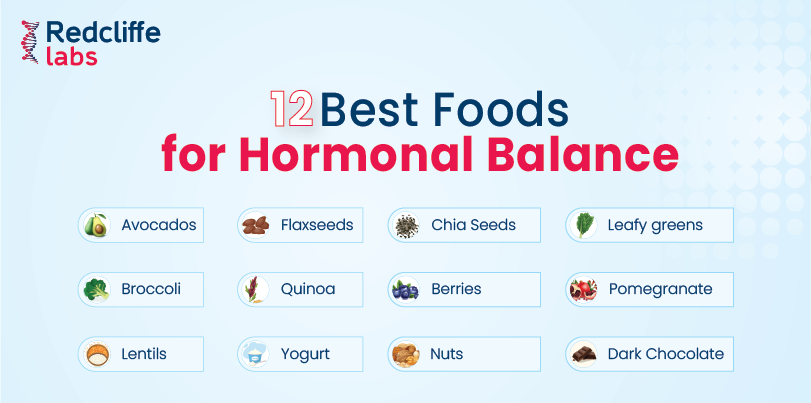
Hormones, particularly steroid hormones like estrogen, progesterone, and testosterone, are synthesized from cholesterol and healthy fats. Diets too low in fat can impair their production, while including the right fats can enhance balance. Avocados, olive oil, fatty fish like salmon and sardines, flaxseeds, chia seeds, and walnuts provide omega-3 fatty acids that reduce inflammation and support hormonal signaling. Coconut oil and grass-fed butter, when consumed moderately, can also provide beneficial saturated fats that aid in hormone synthesis.
Normal Testosterone Levels in Women
Though testosterone is present in much smaller amounts in women, it is no less important. It helps regulate mood, supports bone density, and contributes to sexual health.
Typical reference ranges for total testosterone in women are:
Premenopausal Women: 15–70 ng/dL
Postmenopausal Women: 7–40 ng/dL
Free testosterone levels in women are generally around 0.3–1.9 ng/dL, a fraction of men’s levels. Because women’s hormone balance involves a delicate interplay between estrogen, progesterone, and testosterone, even small changes can lead to noticeable effects on health, including fatigue, low libido, or bone weakness.
Protein for Repair and Regulation
Adequate protein is essential not only for muscle maintenance but also for hormone transport and enzyme activity. Proteins break down into amino acids, some of which are precursors for neurotransmitters that affect mood and stress response. Incorporating a variety of protein sources—such as poultry, eggs, fish, beans, lentils, and tofu—ensures the body receives the full spectrum of amino acids necessary for optimal endocrine function.
Micronutrients and Antioxidants
Vitamins and minerals are vital cofactors in hormone production and regulation. Magnesium helps reduce stress and balance cortisol, zinc supports reproductive hormones, selenium assists thyroid function, and vitamin D acts like a hormone itself, regulating immune and reproductive health. Dark leafy greens, pumpkin seeds, Brazil nuts, eggs, and fortified foods provide these key nutrients. Antioxidant-rich fruits and vegetables, particularly berries and cruciferous vegetables like broccoli and kale, help the body combat oxidative stress and support liver detoxification of excess hormones.
Gut Health and Hormones
The gut microbiome plays a surprising role in hormonal health, particularly in metabolizing and eliminating excess estrogen. A fiber-rich diet with probiotic-rich foods like yogurt, kefir, sauerkraut, and kimchi helps maintain a balanced gut flora. Prebiotic fibers from foods like garlic, onions, and bananas further support a healthy digestive system, ensuring hormones are processed and excreted efficiently.
Conclusion
Hormonal health is not about quick fixes but about building a consistent foundation through nutrition and lifestyle. A diet rich in whole foods, healthy fats, quality proteins, essential micronutrients, and gut-friendly fiber provides the body with everything it needs to regulate hormones naturally. By supporting blood sugar stability, reducing inflammation, and nourishing the endocrine system, we create the conditions for balanced energy, better mood, reproductive health, and overall vitality.