
Discount on Medications: Making Healthcare More Affordable
In today’s world, healthcare expenses continue to rise, and the cost of prescription medications is a major concern for millions of people. For individuals with chronic illnesses or long-term treatment plans, the financial burden of medicines can be overwhelming. Fortunately, discounts on medications have become an essential part of helping patients access the drugs they need without breaking the bank. Understanding how medication discounts work, where to find them, and how to use them wisely can make a big difference in overall healthcare costs.
The Rising Cost of Prescription Drugs
Prescription medicines are a vital component of modern healthcare. However, over the past decade, the price of many drugs has increased significantly. This price rise is driven by factors such as research and development costs, brand monopolies, marketing expenses, and lack of generic alternatives. For people without insurance—or even those with limited insurance coverage—these costs can lead to skipped doses, delayed refills, or even avoiding treatment altogether.
High medication prices can directly affect patient health outcomes. When people cannot afford their prescriptions, they often stop taking them or use lower doses than prescribed. This can result in worsening conditions, hospitalizations, and higher long-term healthcare costs.
What Are Medication Discounts?
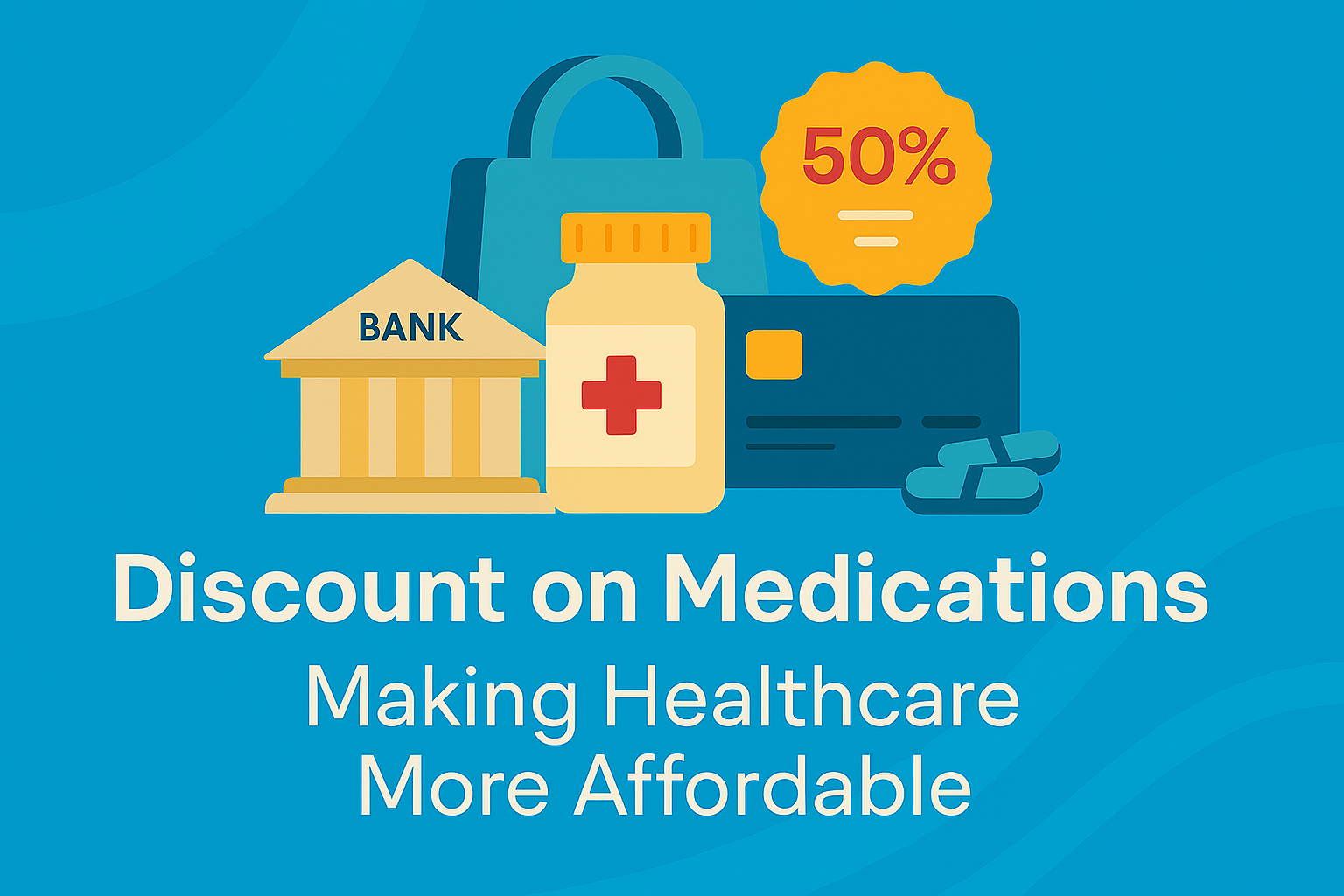
Medication discounts are price reductions offered by pharmacies, manufacturers, or third-party organizations to make drugs more affordable. These discounts come in various forms, such as:
Pharmacy Discount Cards: These are free or low-cost cards that patients can use at participating pharmacies to get lower prices on prescription medicines.
Manufacturer Coupons or Rebates: Many pharmaceutical companies offer discount coupons directly on their websites, especially for brand-name drugs.
Government or NGO Programs: Some government health programs and nonprofit organizations provide subsidized medicines for low-income individuals.
Online Discount Platforms: Websites and apps like GoodRx, Blink Health, or 1mg (in India) compare prices and offer special coupons to help consumers save.
These discounts can sometimes reduce medication prices by 10% to 80%, depending on the drug and location.
Benefits of Medication Discounts
The main advantage of medication discounts is cost savings, but there are other key benefits as well:
-
Improved Medication Adherence: When patients can afford their medicines, they are more likely to follow the prescribed treatment plan.
-
Access to Quality Care: Discounts make it easier for patients to access necessary drugs rather than cheaper, less effective substitutes.
-
Reduced Financial Stress: Affordable medicines mean less pressure on family budgets, especially for those managing chronic diseases like diabetes or hypertension.
-
Encouragement of Preventive Care: Lower drug prices encourage people to seek early treatment instead of delaying care until conditions worsen.
How to Find Medication Discounts
Finding the best discount is easier than ever thanks to digital tools. Here are some practical steps:
Ask Your Doctor or Pharmacist: They often know about available coupons or patient assistance programs.
Compare Prices Online: Use apps or websites that show pharmacy price comparisons.
Check Manufacturer Websites: Many brand-name drug producers offer discount programs or free trial offers.
Use Generic Alternatives: Generic drugs often cost 50–80% less than brand-name ones, with the same effectiveness.
Look for Government Schemes: In countries like India, initiatives such as Jan Aushadhi Kendras offer medicines at highly discounted rates.
The Future of Affordable Medication
The trend toward transparent drug pricing and digital discount tools is growing rapidly. As more people become aware of these options, pharmaceutical companies and governments are being pushed to make healthcare more affordable. The expansion of telemedicine and online pharmacies also increases competition, leading to better pricing options for consumers.
However, patients must remain cautious. Always buy medicines from trusted pharmacies and ensure that discounted drugs are genuine and properly approved by regulatory authorities.
Conclusion
Discounts on medications are more than just a financial relief — they are a bridge to better health and improved quality of life. By understanding where and how to find these discounts, patients can take control of their healthcare costs without compromising on safety or effectiveness. In a world where medical expenses are steadily rising, every small saving counts toward a healthier and more sustainable future.