What’s the alert about?
The U.S. Department of Agriculture (USDA) — specifically its Food Safety and Inspection Service (FSIS) — issued a public health alert after tests showed possible contamination of two HelloFresh ready-made meals with the bacterium Listeriosis (caused by the pathogen Listeria monocytogenes).
The meals in question:
HelloFresh Ready Made Meals – Cheesy Pulled Pork Pepper Pasta (10.1-ounce containers; Est. 47718, lot 49107 OR Est. 2937, lot 48840)
HelloFresh Ready Made Meals – Unstuffed Peppers with Ground Turkey (10-ounce containers; Est. P-47718, lots 50069/50073/50698)
Both these meals were shipped directly to consumers (not sold via retail stores).
What triggered the alert?
The contamination trace: The company FreshRealm (based in California) reported that quick-frozen spinach used in the meals tested positive for Listeria. The spinach was supplied by Sno Pac Foods of Minnesota via its supplier Del Mar Foods of California.
Although no illnesses have been reported yet linked directly to these HelloFresh meals, the alert is being treated with caution.
Importantly: This incident is not yet identified as the same strain connected with an earlier outbreak tied to certain ready-to-eat pasta meals — though that earlier outbreak (involving another supplier) is relevant background.
Why is this serious?
Listeria monocytogenes is a pathogen that is uncommon but potentially dangerous. It can survive and grow under refrigeration conditions, making ready-to-eat foods particularly vulnerable.
Symptoms of listeriosis include fever, muscle aches, headache, stiff neck, confusion, loss of balance and convulsions; gastrointestinal symptoms can also appear. The onset may be delayed (up to 2 weeks or more) after exposure.
High-risk groups: pregnant people (and their newborns), older adults, and individuals with weakened immune systems. In such cases, listeriosis can lead to serious outcomes — miscarriage, stillbirth, premature delivery, or life-threatening infection.
According to the Centers for Disease Control and Prevention (CDC), in the U.S. about 1,600 people get sick from Listeria each year, and around 260 die.
What you should do
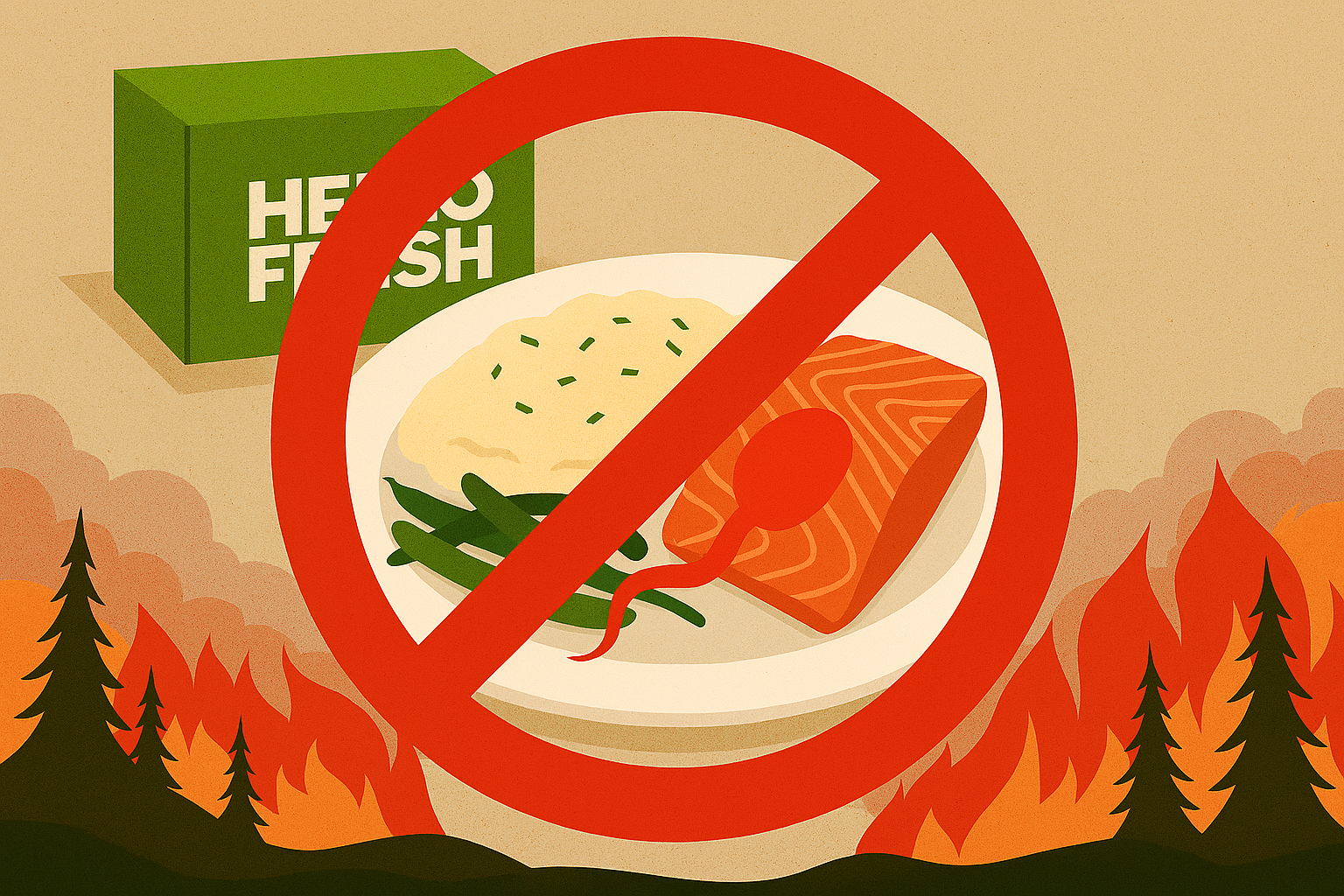
If you are a HelloFresh customer, check if you received either of those meals with the indicated lot/establishment numbers above. If you have one of them:
Do not eat the product. Instead, discard it or return it to HelloFresh.
Sanitize surfaces in your refrigerator, freezer, or any area where the product may have been stored or handled — Listeria can spread.
If you have eaten one of these meals and belong to a high-risk group (pregnant, elderly, immunocompromised), monitor closely for symptoms of listeriosis. Seek medical attention if symptoms appear.
Keep in mind that no illnesses have been reported yet specifically from these meals — but the risk exists, so caution is warranted.
Broader context
This alert comes in the midst of a broader investigation into listeria contamination involving ready-to-eat pasta meals tied to the same supplier network. For example: a previous outbreak linked to pasta produced by Nate’s Fine Foods in California sickened at least 20 people and killed four.
Though the spinach in the HelloFresh products has a different strain (as per current testing), the overlap of supplier networks underscores how contamination in one ingredient (like frozen spinach) can ripple through multiple ready-to-eat meal products.
Implications for consumers & food-safety vigilance
Subscription meal kits and ready-to-eat meals are convenient — but when they contain multiple processed components (e.g., frozen vegetables, pasta, sauces), each link in the chain is a potential risk point.
Suppliers of raw/frozen components (e.g., spinach, frozen pasta) may contribute to contamination if hygiene/control lapses occur. The FreshRealm case is a reminder of this vulnerability.
For consumers: stay alert to recalls and public-health alerts. Even if you don’t live in the U.S., global supply chains may mean similar risks elsewhere — check your shipments, ingredients and lot details.
For companies and regulators: this incident reinforces the importance of traceability, prompt testing of ingredients, transparent customer notification and rapid response to contamination signals.