
The Rationale for Dual-Acting Therapies
Pain Management as a Key Application
Neurological and Psychiatric Treatments
Dual mechanisms are also widely used in neurology and psychiatry. Certain antidepressants, such as serotonin-norepinephrine reuptake inhibitors (SNRIs), act on both serotonin and norepinephrine pathways to improve mood and reduce anxiety. Similarly, some antiepileptic drugs combine sodium channel modulation with enhancement of inhibitory neurotransmitters, providing stronger seizure control. By engaging more than one neural system, these therapies reduce the likelihood of treatment resistance and offer broader benefits to patients with complex conditions.
Oncology and Immune System Modulation
In cancer treatment, dual mechanism strategies are increasingly common. Some targeted therapies simultaneously inhibit tumor cell growth while enhancing immune system recognition of cancer cells. For example, certain monoclonal antibodies not only block growth factor signaling but also recruit immune cells to attack tumors. This dual approach improves effectiveness while reducing the need for highly toxic chemotherapy regimens. The same principle applies in autoimmune disease therapies, where drugs can both suppress overactive immune responses and promote regulatory mechanisms that restore balance.
Advantages and Challenges of Dual Mechanisms
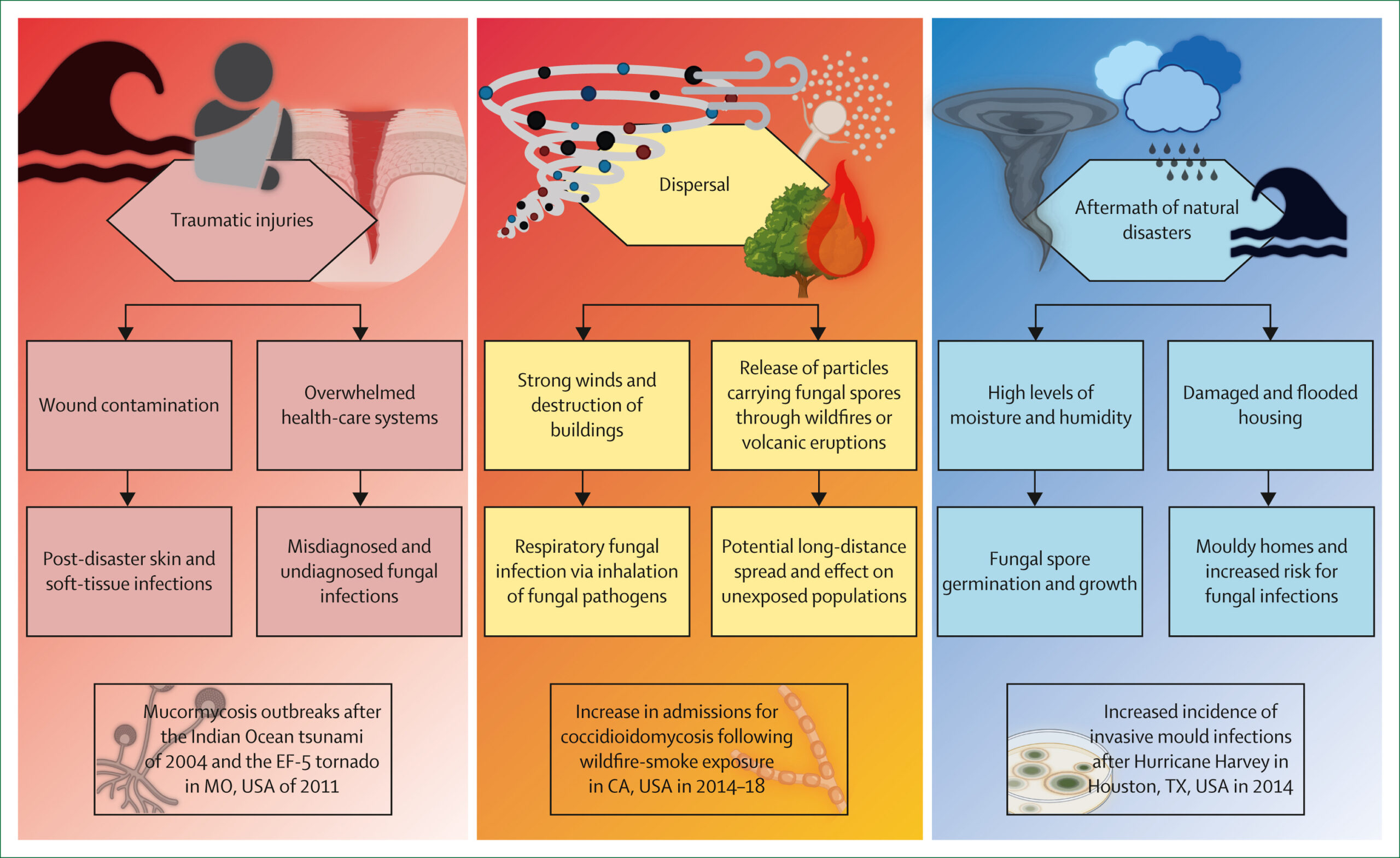
The strength of dual mechanism drugs lies in their versatility and ability to produce clinically meaningful results with fewer medications. They may reduce pill burden, improve adherence, and lower the risk of polypharmacy complications. However, challenges remain: combining two mechanisms in one drug can increase the potential for side effects, drug-drug interactions, or unpredictable outcomes. Moreover, regulatory approval can be more complex, as demonstrating safety and efficacy across multiple mechanisms requires extensive clinical trials.
Future Directions in Drug Development
As medical science advances, dual mechanism therapies are expected to play an even greater role in treating complex conditions. Researchers are exploring combinations of anti-inflammatory, neuroprotective, and regenerative actions in a single therapy to treat neurodegenerative diseases like Alzheimer’s. Similarly, in infectious diseases, dual-acting antivirals are being designed to block viral replication while boosting immune defenses. The ultimate goal is to create therapies that not only relieve symptoms but also alter the underlying disease process, offering patients longer-lasting and more complete health benefits.
Our Products
-
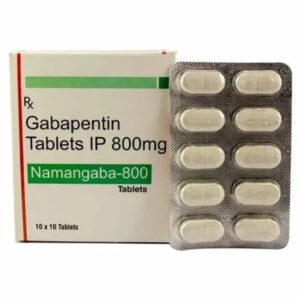
Gabapentin 800mg
$2.00 / Per Pill
-
Gabapentin 400mg
$1.00 / Per Pill

-
Tadaga Super 60mg
$2.00 / Per Pill