The Role of Opioid Medications
Non-Opioid Pharmacological Options
Interventional and Procedural Treatments
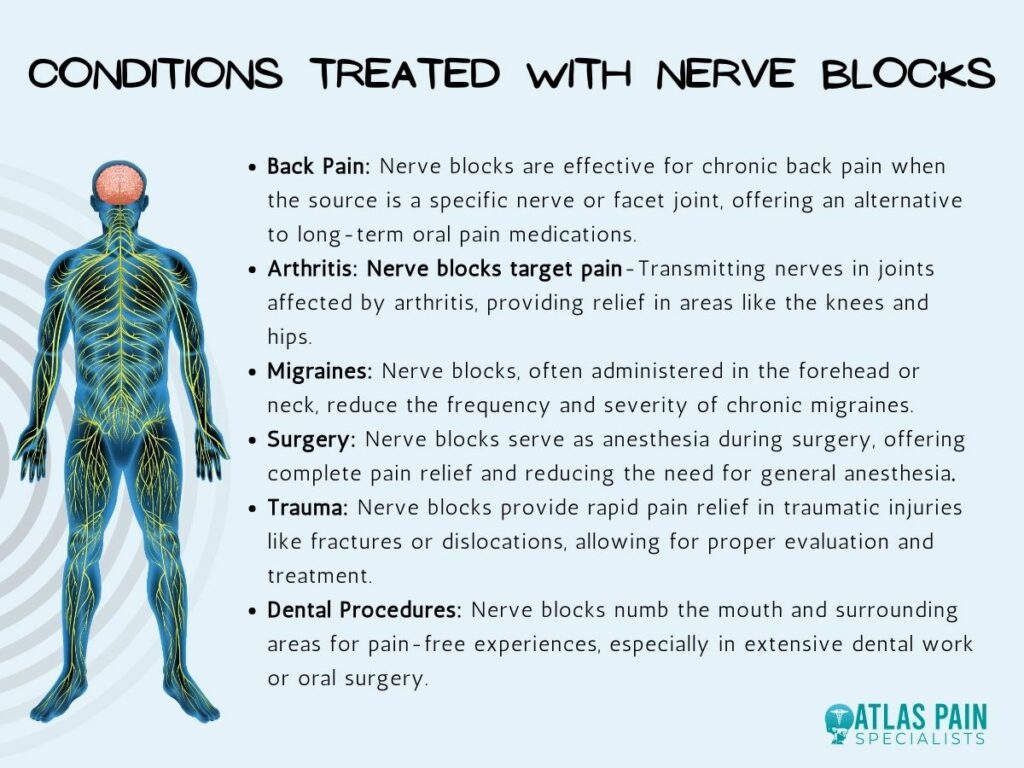
For patients who do not respond adequately to medications, interventional pain relief techniques may be necessary. Options include nerve blocks, epidural steroid injections, radiofrequency ablation, and spinal cord stimulation. These procedures target the source of pain more directly, offering relief while minimizing systemic drug exposure. In cancer-related or intractable pain, advanced interventions such as intrathecal pumps can deliver medications directly to the spinal fluid, maximizing effectiveness and minimizing side effects.
Non-Pharmacological and Complementary Approaches
Effective pain relief also extends beyond medications and procedures. Physical therapy, exercise, cognitive-behavioral therapy (CBT), acupuncture, and relaxation techniques have all been shown to reduce pain intensity and improve coping mechanisms. These approaches are especially useful in chronic pain management, where psychological resilience and physical conditioning can significantly influence outcomes. Integrating these complementary therapies into a multimodal plan empowers patients to take an active role in their recovery.
Multimodal Pain Management Strategies
The most effective approach to moderate to severe pain often involves multimodal therapy—a combination of pharmacological, interventional, and non-pharmacological techniques. For instance, a patient recovering from major surgery may receive a short course of opioids, supported by NSAIDs, regional anesthesia, and physical therapy. This strategy not only enhances pain relief but also reduces the dosage and duration of opioids, lowering the risk of adverse effects. Multimodal care emphasizes individualized treatment tailored to the cause and severity of pain, as well as the patient’s medical history and preferences.
The Future of Pain Management and Patient-Centered Care
Advances in neuroscience and personalized medicine are paving the way for more effective and safer pain treatments. Emerging options include biologics that target specific pain pathways, gene therapies, and wearable technologies that monitor pain levels in real time. Equally important is the shift toward patient-centered care, where communication between patients and providers ensures that treatment goals align with personal values and daily life needs. Ultimately, effective relief of moderate to severe pain requires not just medical innovation but also a compassionate, holistic approach that addresses the physical, emotional, and social dimensions of suffering.