Rare but Deadly Occurrence
Snakebites are relatively common in the United States, with an estimated 7,000–8,000 venomous bites reported each year. However, deaths are very rare, averaging only five fatalities annually nationwide. This makes the Tennessee case especially notable. Experts stress that while the vast majority of bites are survivable with proper medical care, handling or provoking venomous snakes significantly increases the risks of serious complications.
🎉 Participate in the Quiz & Win Prizes! 🎉
🏆 1st Prize: $20 Amazon Voucher
🥈 2nd Prize: $10 Amazon Voucher
📅 Winners will be announced on 31st August 2025.
💡 Your valuable time is precious to us. 💡
Don’t miss out—join the quiz and grab your chance to win! 🚀
Possible Allergic Reaction as a Factor
Medical experts believe the victim may have suffered not only from the venom’s toxic effects but also from a severe allergic reaction, known as anaphylaxis. This rare but life-threatening response can cause rapid swelling, breathing difficulties, and cardiovascular collapse. Herpetologists note that while rattlesnake venom is dangerous, allergic hypersensitivity can make certain bites far more lethal, even when the venom dose itself is not overwhelming.
Profile of the Timber Rattlesnake
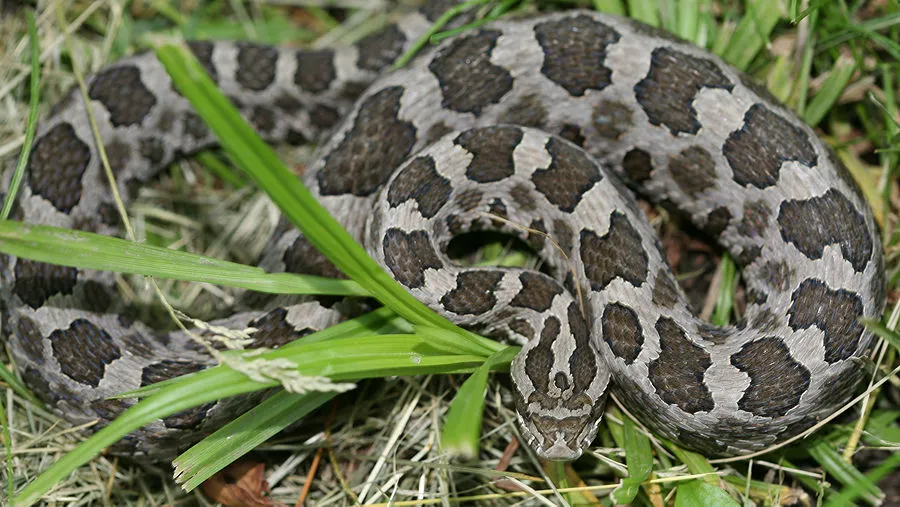
The timber rattlesnake (Crotalus horridus) is Tennessee’s largest venomous snake and one of the most iconic species in the eastern United States. Typically ranging between 2 and 5 feet in length, these snakes are heavy-bodied with distinctive crossband markings and the telltale rattle at the end of their tails. Though venomous, they are generally non-aggressive and prefer to avoid confrontation. However, if picked up or threatened, they will defend themselves swiftly and decisively.
Emergency Response and Efforts to Save the Victim
Authorities reported that emergency crews—including park rangers, EMS teams, and local fire personnel—responded to the incident around 12:30 p.m. They reached the hiker roughly half a mile down the trail from the nearest access point. Despite rapid medical intervention and transport to a hospital, the hiker was pronounced dead shortly after arrival. Officials emphasized that attempts at resuscitation were immediate but ultimately unsuccessful.
Expert Warnings About Snake Safety
In the event of a venomous snakebite, health professionals recommend remaining calm, immobilizing the bitten limb, and seeking immediate medical attention. Removing tight clothing or jewelry near the bite area is critical to prevent constriction as swelling increases. Contrary to popular belief, methods such as cutting the wound, sucking out venom, or applying a tourniquet are dangerous and ineffective. The best course of action remains rapid transport to a medical facility equipped with antivenom.
First Aid Measures for Snakebites
In the event of a venomous snakebite, health professionals recommend remaining calm, immobilizing the bitten limb, and seeking immediate medical attention. Removing tight clothing or jewelry near the bite area is critical to prevent constriction as swelling increases. Contrary to popular belief, methods such as cutting the wound, sucking out venom, or applying a tourniquet are dangerous and ineffective. The best course of action remains rapid transport to a medical facility equipped with antivenom.
Conclusion
The fatal snakebite at Savage Gulf State Park serves as a stark reminder that even rare dangers can have devastating outcomes. While the odds of dying from a snakebite in the U.S. remain very low, respecting wild animals, exercising caution, and preparing for emergencies are essential practices for anyone spending time in nature. This tragic event highlights the delicate balance between enjoying the outdoors and recognizing the inherent risks that come with it.
Our Products
-
Hydroxychloroquine 200MG
$1.00 / Per Pill
-
Ivermectin 12mg
$2.00 / Per Pill

-
Ivermectin 3mg
$1.00 / Per Pill