Introduction to Updated Guidance
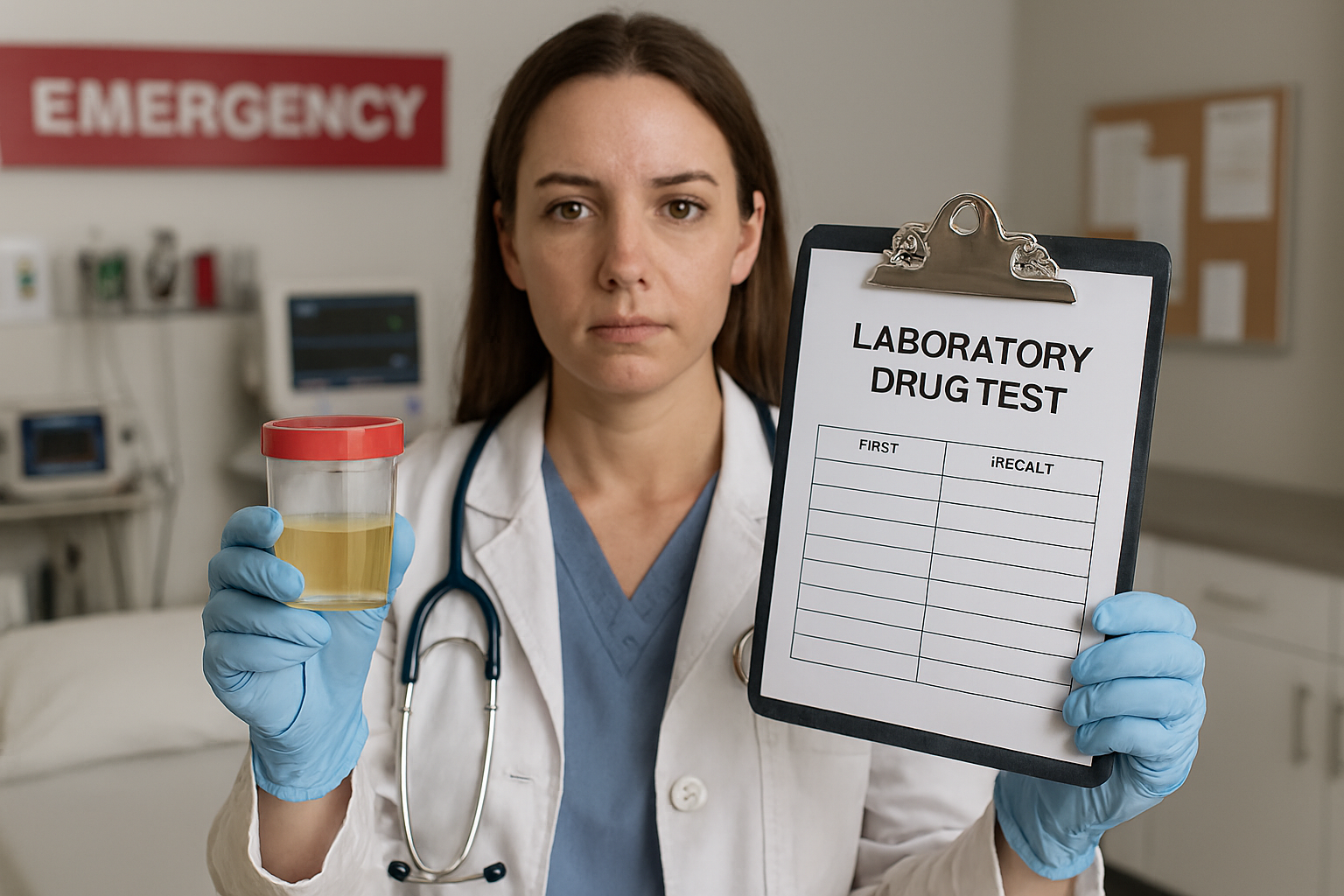
Laboratory testing for drugs of misuse plays a critical role in emergency department (ED) care. Updated guidance reflects advances in testing technology, evolving patterns of substance use, and the need for clinically relevant, timely results. The goal of the revised recommendations is to improve patient management, reduce unnecessary testing, and ensure test results are interpreted accurately within the clinical context of emergency care.
Purpose of Drug Testing in the ED
The primary purpose of drug testing in the ED is to support clinical decision-making, not to replace clinical assessment. Testing may help identify causes of altered mental status, guide treatment in suspected overdose, assess potential drug interactions, or support patient safety decisions. The updated guidance emphasizes that laboratory results should complement history-taking, physical examination, and clinical judgment rather than serve as a standalone diagnostic tool.
Types of Laboratory Tests Used
The most commonly used tests in the ED are urine drug screens (UDS) and blood-based assays. Immunoassay screening tests are widely used because they provide rapid results and are relatively inexpensive. However, they are qualitative and prone to false positives and false negatives. Confirmatory testing using more specific methods, such as gas chromatography–mass spectrometry (GC-MS) or liquid chromatography–tandem mass spectrometry (LC-MS/MS), is recommended when results will significantly affect clinical or legal decisions.

Interpretation and Limitations of Results
Updated guidance strongly highlights the limitations of routine drug screening. A positive result does not necessarily indicate current intoxication, impairment, or overdose, as many substances remain detectable long after their effects have worn off. Conversely, a negative test does not rule out drug use, as some substances may not be included in standard panels. Cross-reactivity with prescription and over-the-counter medications remains a common issue, reinforcing the need for cautious interpretation.
Appropriate Indications for Testing
The revised recommendations advise against routine or blanket drug testing in the ED. Instead, testing should be clinically indicated, such as in cases of unexplained altered consciousness, suspected poisoning, trauma with unclear cause, or prior to administering medications with potential interactions. Testing for legal, employment, or law enforcement purposes should be clearly distinguished from clinical testing and follow separate protocols.
Impact on Patient Care and Safety
When used appropriately, laboratory testing for drugs of misuse can improve patient safety and outcomes. Accurate identification of substances can guide antidote use, monitoring decisions, and referral to addiction or mental health services. The updated guidance also encourages trauma-informed and nonjudgmental use of testing to avoid stigmatization and ensure patients receive appropriate care and counseling.
Conclusion
The updated guidance for laboratory testing for drugs of misuse in the emergency department emphasizes targeted, clinically meaningful testing and careful interpretation of results. By recognizing test limitations, prioritizing patient-centered care, and integrating laboratory findings with clinical judgment, ED teams can improve safety, efficiency, and outcomes while minimizing unnecessary costs and potential harm.
Our Products
-
Ivermectin 12mg
$2.00 / Per Pill

-
Doxycycline 100MG
$2.00 / Per Pill

-
Lisinopril 20mg
$1.00 / Per Pill