
Why Apples Turn Brown: Enzymatic Browning Explained
Batteries are devices that store and release electrical energy through chemical reactions. They are everywhere in our daily lives — from powering smartphones and laptops to cars and flashlights. At their core, batteries convert chemical energy into electrical energy, providing a portable and reliable source of power without the need for a direct connection to an electrical grid.
Electrochemical cells
A battery consists of one or more electrochemical cells. Each cell contains three main components: an anode (negative electrode), a cathode (positive electrode), and an electrolyte. The anode and cathode are typically made of different materials that have a natural tendency to give up or accept electrons. The electrolyte is a chemical medium that allows ions (charged atoms or molecules) to move between the two electrodes but blocks the flow of electrons directly through it.
External Circuit
When a battery is connected to an external circuit, such as when you turn on a flashlight, a chemical reaction occurs at the anode that releases electrons. These electrons cannot pass through the electrolyte, so they travel through the external circuit toward the cathode, creating an electric current. At the same time, ions flow through the electrolyte inside the battery to balance the charge. This movement of electrons through the external circuit provides the electrical power to operate the connected device.
The basic chemical reactions within a battery are called redox reactions, short for reduction-oxidation reactions. At the anode, oxidation occurs — meaning the material loses electrons. At the cathode, reduction occurs — meaning the material gains electrons. This flow of electrons from anode to cathode is the source of electrical energy.

Primary batteries
There are two main types of batteries: primary and secondary. Primary batteries are designed for single use. Once their chemical reactions are exhausted, they cannot be recharged and must be replaced. Common examples include alkaline batteries used in remote controls and flashlights. Secondary batteries, on the other hand, are rechargeable. After discharging, they can be restored to their original chemical state by applying electrical energy. Examples include lithium-ion batteries in smartphones and nickel-metal hydride batteries in hybrid cars.
Different types of batteries use different chemistries depending on the application:
Alkaline batteries use zinc and manganese dioxide with an alkaline electrolyte.
Lithium-ion batteries use a variety of lithium compounds for the cathode and graphite for the anode, offering high energy density and rechargeability.
Lead-acid batteries are commonly used in vehicles. They use lead dioxide as the cathode, sponge lead as the anode, and sulfuric acid as the electrolyte.
Conclusion
Several factors affect battery performance, including capacity, voltage, energy density, and cycle life. Capacity refers to how much electric charge a battery can store, typically measured in ampere-hours (Ah). Voltage depends on the chemical materials used; for example, a typical AA alkaline battery provides about 1.5 volts, while a single lithium-ion cell provides around 3.7 volts. Energy density describes how much energy the battery can store relative to its weight or volume — a critical factor for portable electronics and electric vehicles. Cycle life refers to how many charge-discharge cycles a rechargeable battery can undergo before its capacity significantly drops.
Batteries are not without challenges. Over time, chemical reactions inside batteries can become less efficient, leading to reduced capacity, shorter battery life, and sometimes safety issues like overheating or leakage. In rechargeable batteries, improper charging or exposure to extreme temperatures can cause degradation or even failure.
Research continues to improve batteries by making them safer, longer-lasting, and more environmentally friendly. Emerging technologies like solid-state batteries, which replace the liquid electrolyte with a solid one, promise higher energy density and improved safety. Meanwhile, efforts are being made to develop batteries that use more abundant and less toxic materials, such as sodium-ion or zinc-air batteries.
In conclusion, batteries are essential devices that power modern life by converting chemical energy into usable electrical energy. Understanding how they work highlights both their importance and the ongoing need for innovation to meet the demands of an increasingly mobile and energy-dependent world.
Our Products
-
Testosterone Enanthate
$240.00 / Per 10ml

-
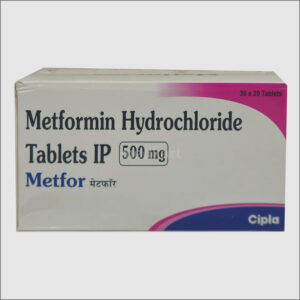
Metformin 500mg
$0.80 / Per Pill
-
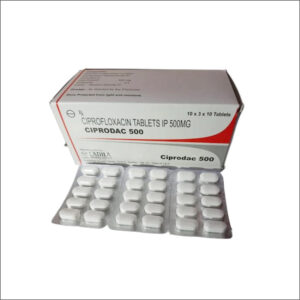
Cipro 500mg
$1.00 / Per Pill