
Introduction
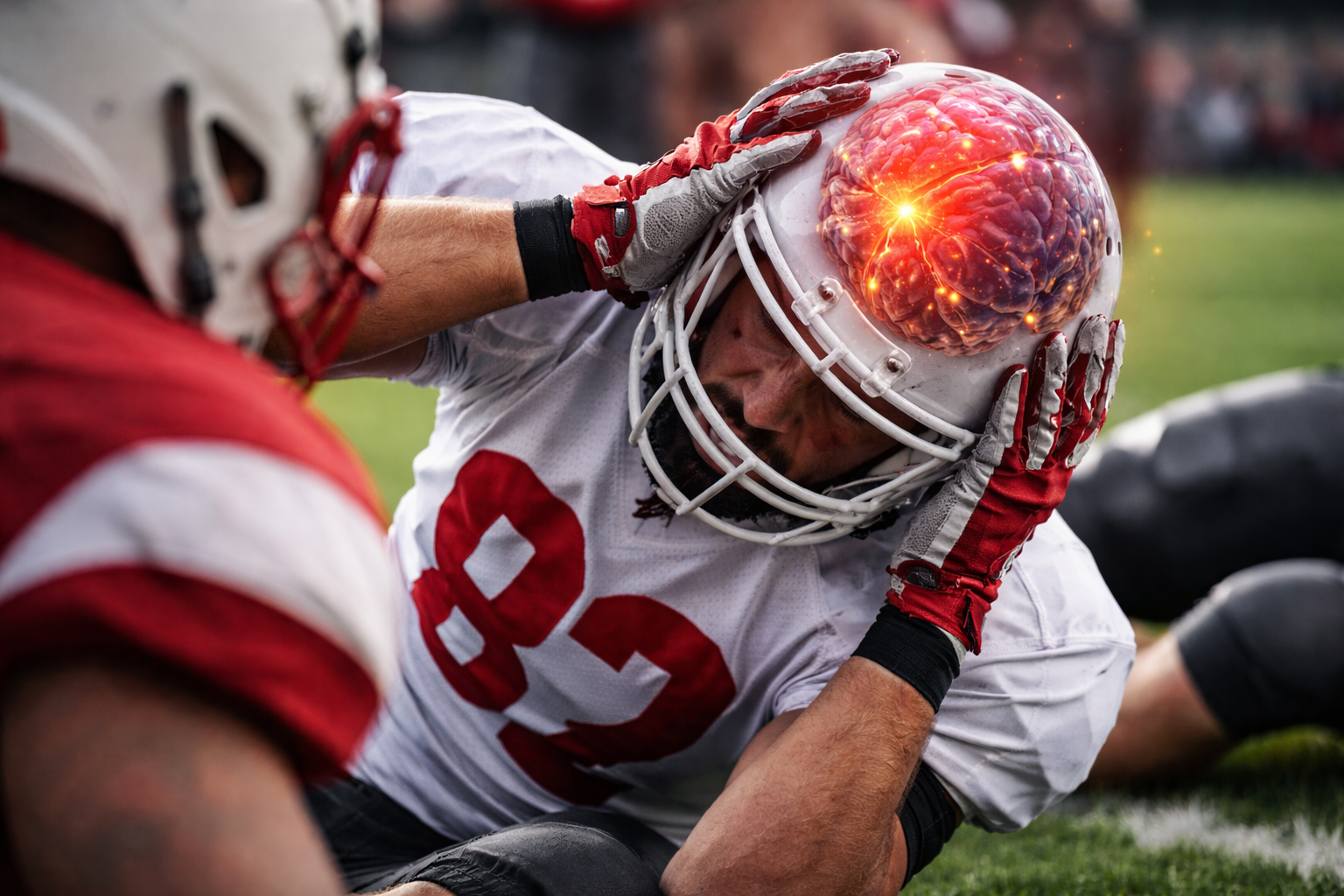
Growing evidence suggests that chronic inflammation may play a critical role in brain damage and memory problems among football players. Repeated head impacts—both concussive and subconcussive—can trigger long-term inflammatory responses in the brain. Over time, this persistent inflammation may contribute to cognitive decline, mood disorders, and neurodegenerative diseases.
Understanding Brain Inflammation
Inflammation is the body’s natural defense mechanism against injury. When the brain experiences trauma, immune cells activate to repair damaged tissue. However, repeated head injuries can lead to prolonged neuroinflammation. Instead of protecting the brain, chronic inflammation may begin damaging healthy neurons, disrupting communication pathways essential for memory and thinking.
Key inflammatory markers found elevated in former football players include cytokines and other immune signaling proteins associated with neural stress.
The Impact of Repeated Head Trauma
Football players—particularly at professional and collegiate levels—experience repetitive blows to the head. Even impacts that do not cause noticeable symptoms (subconcussive hits) can accumulate over time.
These repeated injuries may:
Disrupt the blood-brain barrier
Trigger ongoing immune responses
Damage white matter pathways
Accelerate neurodegenerative processes
Over years, this can increase the risk of chronic traumatic encephalopathy (CTE), a condition linked to memory loss, behavioral changes, and impaired judgment.
Memory Problems and Cognitive Decline
Studies of retired football players have shown higher rates of:
Short-term memory loss
Slower processing speed
Difficulty concentrating
Increased risk of mild cognitive impairment
Inflammation may interfere with the hippocampus—the brain region responsible for memory formation. Persistent inflammatory activity can reduce synaptic plasticity, limiting the brain’s ability to form and retain new memories.
Scientific Evidence
Recent neuroimaging and biomarker research has identified elevated inflammatory markers in former athletes with a history of repeated head trauma. Brain scans sometimes reveal structural changes and reduced brain volume in regions associated with memory and executive function.
Although not all football players develop cognitive problems, those with longer playing careers and higher exposure to head impacts appear to face greater risk.
Mental Health Connections
Chronic neuroinflammation is also linked to mood disorders such as depression and anxiety. Former players reporting memory issues often experience emotional symptoms as well. Researchers believe inflammatory pathways may influence neurotransmitters like serotonin and dopamine, which regulate mood and cognition.
Conclusion
Inflammation appears to be a key biological link between repeated head trauma and long-term brain damage in football players. While the sport continues to evolve with improved safety measures, understanding and addressing neuroinflammation remains essential to protecting athletes’ cognitive health. Awareness, prevention, and research are vital to reducing the long-term consequences of repeated head injuries.