Introduction
Emergency tracheal intubation is a life-saving procedure frequently performed in intensive care units (ICUs) and emergency departments (EDs). The choice of sedative used to induce anesthesia during intubation can significantly impact patient outcomes, especially in critically ill individuals. Two commonly used agents—ketamine and etomidate—have long been debated for their safety profiles and effects on mortality.
A landmark study published in the New England Journal of Medicine in December 2025, known as the Randomized Trial of Sedative Choice for Intubation (RSI), sought to answer this question definitively. Led by Dr. Jonathan Casey of Vanderbilt University Medical Center, the trial enrolled critically ill adults undergoing emergency tracheal intubation across 14 U.S. hospitals, including both EDs and ICUs
Key Findings
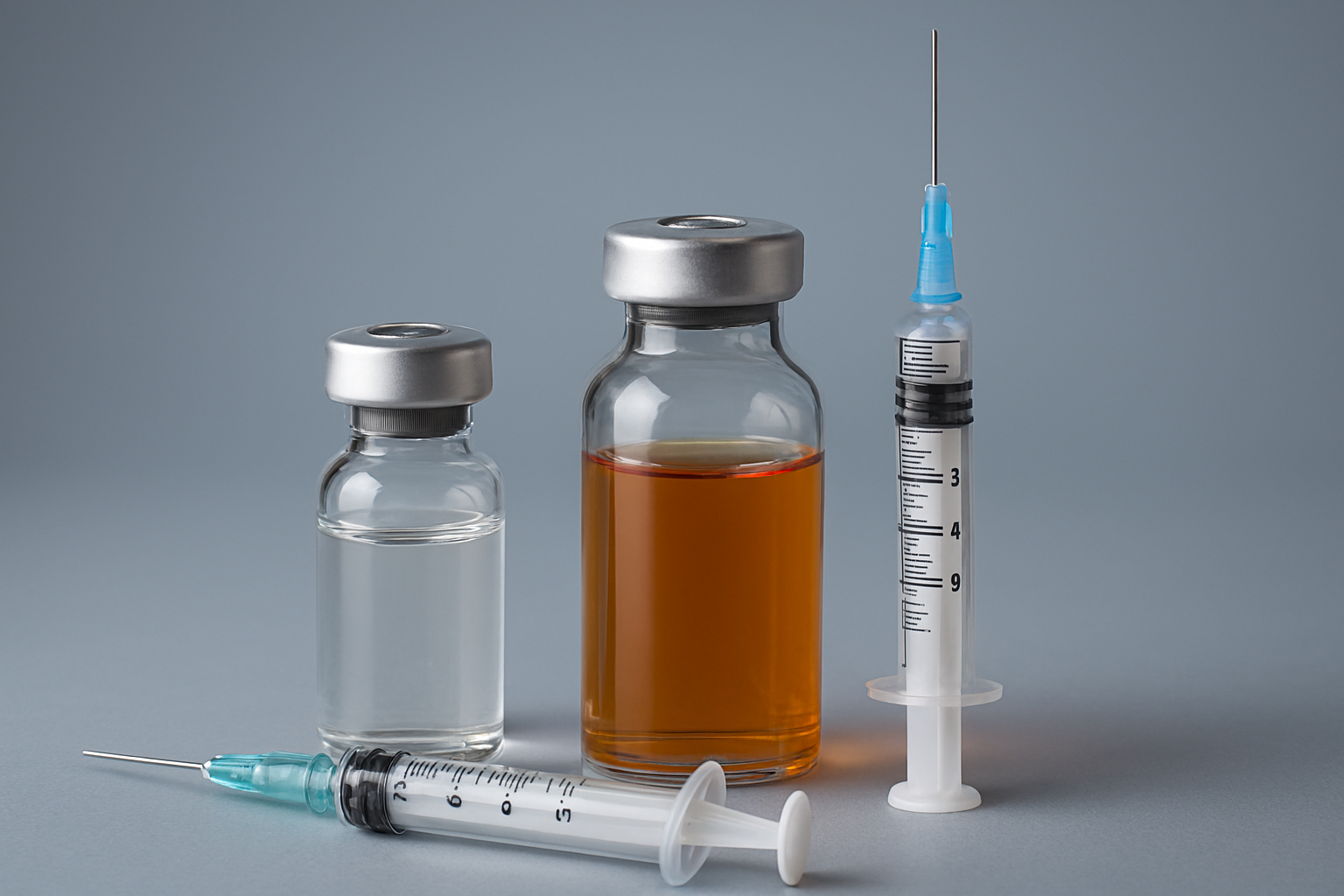
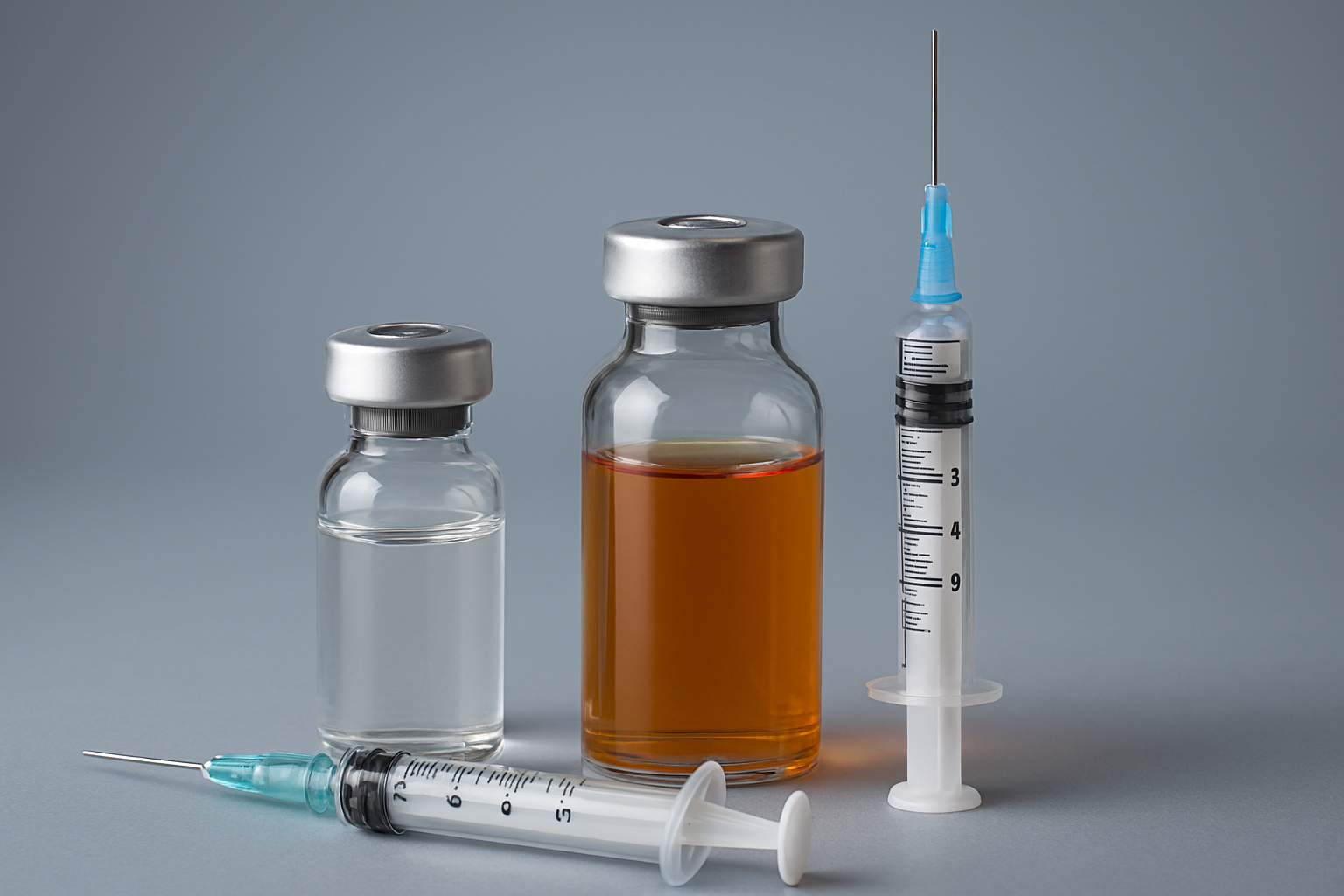
The trial compared ketamine (1–2 mg/kg IV) versus etomidate (0.2–0.3 mg/kg IV), both dosed by actual body weight. The primary outcome was in-hospital death by day 28.
No significant difference in 28-day mortality was found between the ketamine and etomidate groups.
Etomidate was associated with fewer cardiovascular complications, including lower rates of severe hypotension, vasopressor escalation, and cardiac arrest during intubation.
Ketamine, while widely used for its bronchodilatory and analgesic properties, showed higher risk of cardiovascular collapse in this setting.
These findings challenge the assumption that ketamine’s hemodynamic profile is universally safer in critically ill patients.
Clinical Implications
The RSI trial is significant because it is one of the first multicenter randomized studies to rigorously evaluate sedative choice in emergency intubation. Historically, etomidate was favored for its rapid onset and minimal cardiovascular depression. However, concerns about adrenal suppression led some clinicians to prefer ketamine.
This study suggests that etomidate remains a safe and effective choice, particularly when cardiovascular stability is a priority. While ketamine is not inferior in terms of mortality, its higher risk of peri-intubation cardiovascular events may make it less desirable in certain patient populations.
Expert Commentary
Dr. Casey emphasized the importance of evidence-based practice:
“We know that patients receive treatments every day in hospitals around the world that have never been evaluated in a rigorous study and may be ineffective or even harmful,” he said.
Other experts noted that the study helps clarify a long-standing clinical dilemma. The results support individualized sedative selection based on patient physiology rather than assumptions about drug safety.
Conclusion
In critically ill adults undergoing emergency tracheal intubation, ketamine does not reduce mortality compared to etomidate. While both agents are viable, etomidate may offer superior cardiovascular safety, making it a preferred option in many emergency settings. This study reinforces the need for rigorous clinical trials to guide everyday medical decisions and optimize patient outcomes.