
Overview
Cancer is not just a disease of the body — it is also an emotional and social battle that deeply affects a person’s mental and physical health. Recent studies have shown that loneliness and social isolation are closely linked to higher mortality rates among cancer patients. This connection highlights how psychological and social factors can significantly influence the outcomes of medical treatment. Understanding this relationship is crucial for improving cancer care and patient survival.
The Link Between Loneliness and Health
Loneliness is the subjective feeling of being alone or disconnected, even when surrounded by others. Social isolation, on the other hand, refers to the objective lack of social contacts or meaningful interactions. Both can have serious health consequences. Research in recent years has revealed that loneliness can be as harmful as smoking 15 cigarettes a day, and it increases the risk of heart disease, stroke, and premature death. For cancer patients, who are already physically and emotionally vulnerable, the effects can be even more severe.
How Loneliness Impacts Cancer Patients
When a person is diagnosed with cancer, their world often changes dramatically. Many face long hospital stays, painful treatments, and major lifestyle disruptions. During this time, emotional support from family, friends, and caregivers plays a crucial role. Patients who lack this network often struggle more with depression, anxiety, and hopelessness — all of which can weaken the body’s ability to fight disease.
Biologically, loneliness triggers the release of stress hormones such as cortisol and adrenaline. Chronic activation of these stress responses can suppress the immune system, promote inflammation, and reduce the body’s ability to repair damaged tissues. In cancer patients, this means slower recovery, reduced effectiveness of treatments like chemotherapy, and greater vulnerability to complications. Studies have also shown that isolated patients are less likely to follow medical advice, attend follow-up appointments, or adhere to medication schedules, further worsening outcomes.
Social Isolation and Mortality Risk
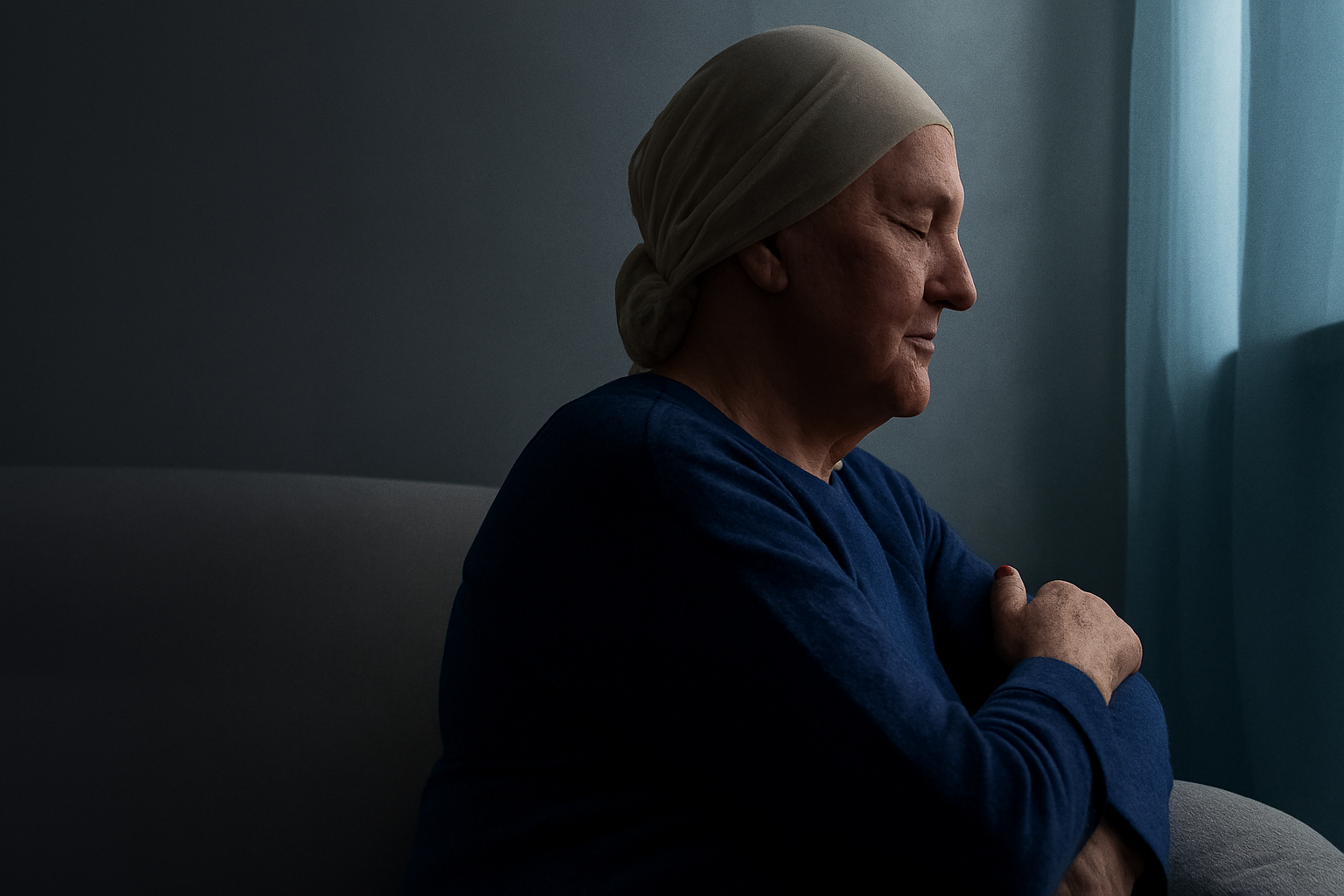
A large body of evidence supports the link between social isolation and higher mortality among cancer patients. For example, a 2023 meta-analysis found that cancer patients who reported feeling socially isolated had a 30–40% higher risk of death compared to those with strong social connections. This increased risk remained even after adjusting for age, type of cancer, and other medical factors.
One explanation for this is that social networks often encourage positive health behaviors. People with strong social ties are more likely to maintain a balanced diet, exercise regularly, and seek timely medical care. Conversely, those who are isolated may neglect self-care, experience reduced motivation, and feel that their condition is hopeless. Emotional isolation can also worsen fatigue, pain perception, and sleep problems — all of which can affect recovery and survival.
Psychological and Emotional Dimensions
Cancer is as much a psychological journey as it is a physical one. Feelings of loneliness can intensify fear, sadness, and anxiety, creating a negative feedback loop that harms both mental and physical well-being. Patients who feel disconnected from others may experience existential distress, questioning the meaning of their lives and their worth to others. This emotional burden can lead to clinical depression, which is itself associated with poorer treatment outcomes and higher mortality.
The Role of Support Systems
Recognizing the role of social connection in cancer care is essential. Hospitals and cancer centers are increasingly implementing support groups, counseling programs, and community-based interventions to help patients feel connected. Peer support groups allow patients to share their experiences, reducing feelings of isolation and giving them hope. Family education programs also encourage loved ones to be more engaged in the patient’s journey, creating a sense of belonging and purpose.
Technology can also play a role. Online communities, video calls, and social media groups provide emotional connection for patients who cannot easily leave their homes. However, these digital solutions should complement — not replace — real-life social interaction.
Conclusion
Loneliness and social isolation are more than emotional states; they are serious risk factors that can directly influence cancer survival. The evidence clearly shows that patients who feel supported and connected live longer, recover better, and experience improved quality of life. Addressing loneliness should therefore be a key part of comprehensive cancer care — just as important as medication or surgery. By strengthening social bonds and emotional support, healthcare providers can not only treat the disease but also help heal the person as a whole.