
Introduction: What Is the Exposome?
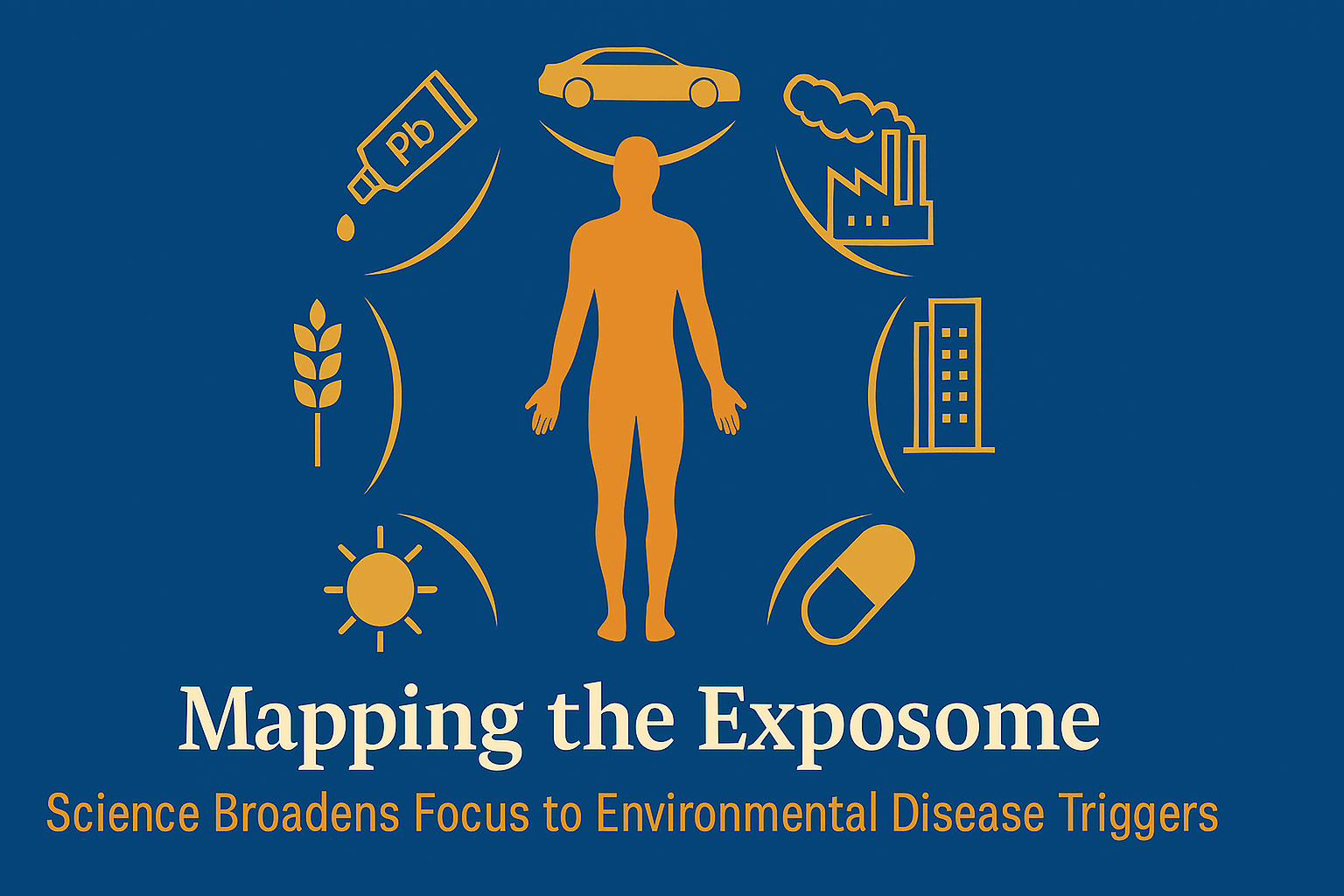
The exposome is the complete collection of all environmental exposures a person experiences throughout life—from air pollution, food additives, chemicals, stress, lifestyle habits, to even social environment. Just like the genome maps our genetic code, the exposome maps the external factors that influence our health. Scientists now believe that up to 70–80% of chronic diseases are linked to environmental triggers rather than genes alone. This shift has moved health research beyond DNA to explore how everyday surroundings shape disease risks.
Why Exposome Science Is Growing
For decades, medicine focused mostly on genetics. But people with similar DNA often develop very different health outcomes. This gap pushed scientists to explore external influences. Today, exposure data from satellites, wearable sensors, smartphones, and environmental monitoring systems allow researchers to track pollutants, chemicals, noise, diet patterns, and urban conditions in real time. Technology has made it possible to measure thousands of exposures at once—something impossible 10 years ago. As chronic diseases like cancer, diabetes, asthma, and heart disease rise globally, the exposome helps uncover hidden environmental causes.
Types of Exposures in the Exposome
Exposome science divides environmental influences into three main categories:
Exposome science divides environmental influences into three main categories:
A. General Exposures
These include large environmental factors affecting whole populations, such as:
Climate and temperature
Air quality and pollution
Water quality
Urban vs rural surroundings
Socio-economic conditions
These exposures influence health outcomes like respiratory disease, heat stress, mental health, and cardiovascular disease.
B. Specific External Exposures
These are personal lifestyle or environmental factors, including:
Diet and nutrition
Physical activity
Smoking, alcohol, and drug use
Household cleaning chemicals
Occupational exposures (pesticides, heavy metals, dust)
These exposures can increase risks of cancer, obesity, allergies, or reproductive problems.
C. Internal Exposures
These are biological responses inside our body caused by outside factors:
Hormone changes
Inflammation
Gut microbiome shifts
Oxidative stress
Internal exposures explain how environmental triggers turn into disease.
How Scientists Map the Exposome
Researchers use advanced tools to identify how environmental factors affect health:
Wearable Technology
Devices track noise, temperature, UV exposure, movement, and pollution in real time.
Biological Samples
Blood, saliva, hair, and urine help detect chemicals, metabolites, and stress markers.
Big Data & Artificial Intelligence
AI analyzes millions of data points to identify patterns—such as which pollutants trigger asthma or which diets reduce inflammation.
Geographic Information Systems (GIS)
Mapping tools link exposures to specific locations, helping researchers identify high-risk zones like polluted cities or chemical hotspots.
Environmental Triggers Linked to Major Diseases
Exposome research has uncovered surprising connections:
Respiratory Disease
Air pollution and particulate matter increase asthma and COPD risk.
Indoor pollution (cooking smoke, mold) is linked to childhood lung disease.
Cancer
Pesticides, industrial chemicals, and heavy metals raise cancer risks.
Even small daily exposures accumulate over years.
Metabolic Disorders
Processed foods, microplastics, and hormone-disrupting chemicals contribute to obesity and diabetes.
Mental Health
Noise pollution, lack of green space, and chronic stress affect anxiety, depression, and sleep quality.
Why Mapping the Exposome Matters for the Future
Understanding the exposome helps public health experts create better policies:
Cities can reduce pollution by improving transport and energy systems.
Hospitals can predict which populations are at higher risk of chronic disease.
People can adjust lifestyle choices—diet, home environment, workplace safety.
Governments can regulate harmful chemicals and enforce safer industrial practices.
The exposome also supports precision medicine. Instead of treating everyone the same, doctors can use exposure data along with genetics to design personalized prevention strategies.
Conclusion
Mapping the exposome represents a major shift in health science. By studying how air, food, chemicals, stress, and lifestyle interact with our biology, researchers can uncover the hidden causes of modern diseases. This broader environmental focus goes beyond the genome and helps build a clearer understanding of human health. As technology advances, exposome science will guide better policies, healthier cities, and more personalized medical care for future generations.
Our Products
-
Testosterone Gel
$4.00 / Per Sachet
-
Fenbendazole 500mg
$3.00 / Per Pill

-
Zopiclone 7.5mg
$2.00 / Per Pill