

Self-Care and Home Management
For mild, short-term conditions, self-care is often effective.
Rest and Hydration – Adequate sleep, fluids, and proper nutrition aid natural healing.
Over-the-Counter (OTC) Medications – Pain relievers, antihistamines, antacids, or topical creams can ease discomfort.
Lifestyle Adjustments – Regular exercise, balanced diet, and stress reduction techniques support general wellness.
Self-care is helpful, but if symptoms persist or worsen, professional care is the next step.
🎉 Participate in the Quiz & Win Prizes! 🎉
🏆 1st Prize: $20 Amazon Voucher
🥈 2nd Prize: $10 Amazon Voucher
📅 Winners will be announced on 31st August 2025.
💡 Your valuable time is precious to us. 💡
Don’t miss out—join the quiz and grab your chance to win! 🚀
Primary Care Services
Primary care providers (PCPs) serve as the first point of contact for most health needs.
Common Illnesses – Infections, digestive issues, skin conditions.
Chronic Disease Management – Diabetes, high blood pressure, asthma.
Preventive Services – Vaccinations, annual check-ups, and screenings.
Referrals – Guidance to specialists when advanced care is necessary.
Specialized Medical Care
Specialists provide targeted expertise for specific conditions.
Cardiologists – Heart and blood vessel conditions.
Dermatologists – Skin, hair, and nail problems.
Neurologists – Brain and nervous system disorders.
Endocrinologists – Hormone and metabolic issues.
Specialist visits are often arranged through referral by a primary doctor.
Emergency and Urgent Care
Not all health issues can wait.
Emergency Rooms (ERs) – Life-threatening problems such as chest pain, severe injury, stroke symptoms, or breathing difficulties.
Urgent Care Centers – Immediate but non-life-threatening concerns like fractures, infections, or high fever when primary care is unavailable.

Mental and Behavioral Health Services
Mental health is equally important as physical health.
Counseling and Psychotherapy – Managing stress, anxiety, depression, and trauma.
Psychiatry – Medication management for mental health disorders.
Support Groups – Peer support for addiction, grief, or chronic illness.
Seeking timely help prevents small emotional struggles from becoming major health challenges.
Chronic stress is a hidden enemy of testosterone. When stress levels remain high, the body produces excess cortisol, a hormone that interferes with testosterone production. This can lead to low energy, poor concentration, and reduced sexual health. Managing stress through techniques such as meditation, yoga, breathing exercises, or spending time in nature can lower cortisol and protect hormone balance. Simple daily practices like mindfulness or regular breaks from work also make a difference.
Rehabilitation and Recovery Support
Rehabilitation helps restore function and independence after illness or injury.
Physical Therapy – Improves strength, balance, and mobility.
Occupational Therapy – Helps patients regain daily living skills.
Speech Therapy – Restores communication and swallowing abilities after strokes or trauma.
Conclusion
From self-care at home to advanced hospital treatments, medical options are diverse and adaptable. The key lies in knowing when to escalate care—whether through primary doctors, specialists, or emergency services. Being proactive about health, embracing preventive measures, and seeking timely help ensure longer, healthier, and more fulfilling lives.
Our Products
-
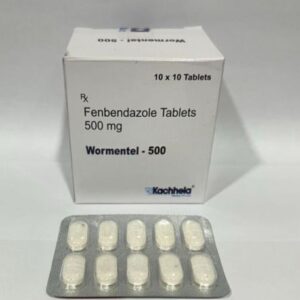
Fenbendazole 500mg
$3.00 / Per Pill
-
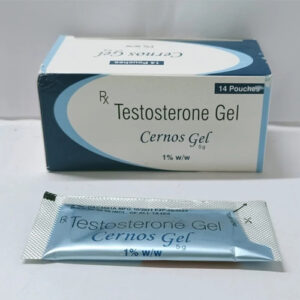
Testosterone Gel
$4.00 / Per Sachet
-
Ivermectin 12mg
$2.00 / Per Pill
