How Testosterone is Measured
Testosterone levels are usually measured through a simple blood test. The results are typically expressed in nanograms per deciliter (ng/dL). Levels can fluctuate throughout the day—highest in the morning and lower in the evening—so tests are often done early in the day for accuracy. It is also important to distinguish between total testosterone (the sum of free and protein-bound testosterone) and free testosterone (the portion not bound to proteins and available for use in the body). Both values provide insight into hormonal health.
🎉 Participate in the Quiz & Win Prizes! 🎉
🏆 1st Prize: $20 Amazon Voucher
🥈 2nd Prize: $10 Amazon Voucher
📅 Winners will be announced on 31st August 2025.
💡 Your valuable time is precious to us. 💡
Don’t miss out—join the quiz and grab your chance to win! 🚀
Normal Testosterone Levels in Men
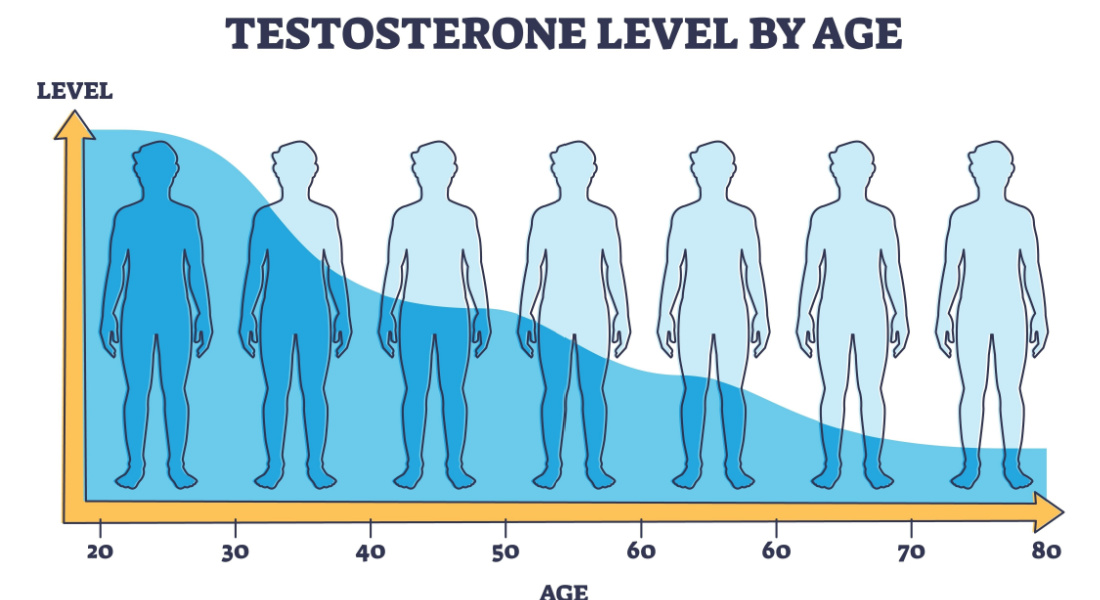
Men produce much higher levels of testosterone than women, with production beginning in puberty and peaking in early adulthood. After around age 30, testosterone gradually declines by about 1% per year.
Typical reference ranges for total testosterone in adult men are:
Ages 19–39: 264–916 ng/dL
Ages 40–59: 250–890 ng/dL (slight decline begins)
Age 60 and above: 196–859 ng/dL (gradual but noticeable decline)
Free testosterone levels for men usually range between 5–21 ng/dL, depending on age and health status.
While these are averages, each man’s optimal range can vary. Some men may experience symptoms of low testosterone even if their levels fall within the “normal” range, while others may feel healthy at lower levels.
Normal Testosterone Levels in Women
Though testosterone is present in much smaller amounts in women, it is no less important. It helps regulate mood, supports bone density, and contributes to sexual health.
Typical reference ranges for total testosterone in women are:
Premenopausal Women: 15–70 ng/dL
Postmenopausal Women: 7–40 ng/dL
Free testosterone levels in women are generally around 0.3–1.9 ng/dL, a fraction of men’s levels. Because women’s hormone balance involves a delicate interplay between estrogen, progesterone, and testosterone, even small changes can lead to noticeable effects on health, including fatigue, low libido, or bone weakness.
Age-Related Decline and Modern Lifestyle Impact
Both men and women experience a natural decline in testosterone with age, though the timeline differs.
In men: Testosterone peaks in late teens and early 20s, then begins a slow and steady decline after 30. By the time men reach their 70s or 80s, levels may be significantly reduced, often leading to decreased muscle mass, lower energy, and reduced sexual function.
In women: Testosterone production begins to decline in the late 20s and drops more significantly during and after menopause. Since estrogen also declines, women may experience compounded effects such as bone density loss, mood swings, and lower sexual drive.
Factors That Influence Testosterone Levels
While age and gender are primary determinants, lifestyle and health conditions can influence testosterone levels too.
Obesity and poor diet can lower testosterone in both men and women.
Chronic illnesses such as diabetes, metabolic syndrome, or thyroid disorders may affect production.
Stress and sleep deprivation raise cortisol, which suppresses testosterone.
Medications like steroids or opioids may lower hormone levels.
Exercise and nutrition can help maintain healthy ranges well into later life.