
Genetic and Biological Pathways Linking Parent and Child Risk
The link between parental despair and child suicidality operates partly through genetic and biological mechanisms. Offspring may inherit genetic vulnerabilities for mood disorders or addictive behaviors, which increase their susceptibility to depression and impulsivity. Additionally, chronic exposure to parental despair can alter children’s stress-response systems, affecting cortisol regulation and emotional reactivity. Some studies have even identified epigenetic changes—such as modifications to genes regulating serotonin and dopamine—that may prime children for heightened sensitivity to stress and despair later in life.
Psychosocial Mechanisms and Family Environment
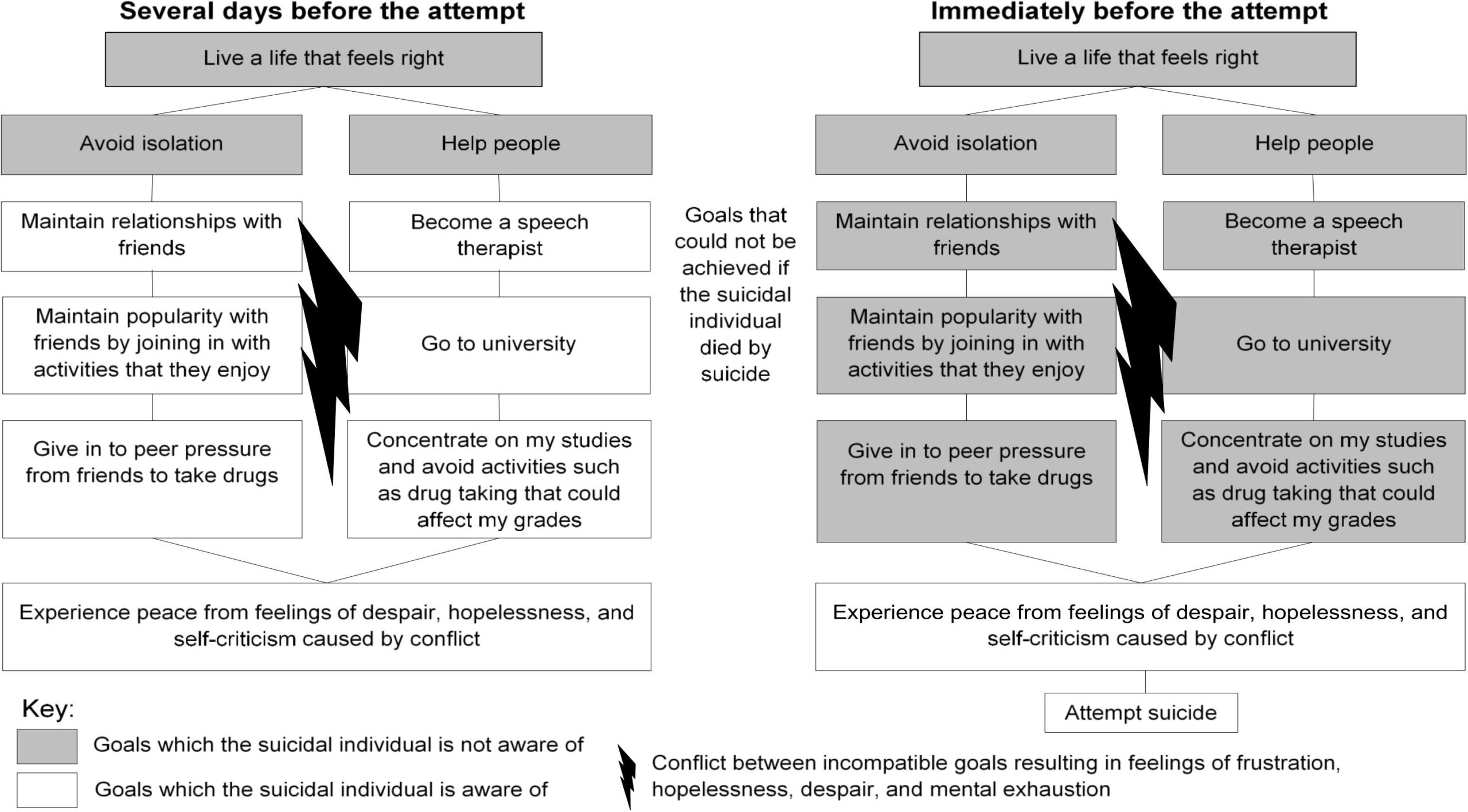
Beyond biology, the family environment plays a crucial mediating role. Parental substance use or untreated depression can lead to inconsistent caregiving, neglect, or exposure to traumatic events like domestic violence or overdose incidents. Such experiences disrupt children’s sense of safety and attachment, impairing emotional regulation and social development—both of which are strongly associated with later suicidal behavior. Moreover, children may internalize maladaptive coping strategies modeled by parents, including substance misuse or self-harming behaviors.
Socioeconomic Stressors and Structural Inequality
Diseases of despair often co-occur with socioeconomic stressors such as unemployment, financial strain, and housing instability. These stressors create a backdrop of chronic stress within the household and may reduce access to mental health care, social services, and safe recreational spaces. Children living in such conditions frequently report feelings of hopelessness and diminished future expectations—psychological states that are closely linked to suicidal ideation. Addressing these structural inequalities is therefore essential for breaking the intergenerational cycle of despair.
Impact on Child and Adolescent Mental Health
Epidemiological data confirm that children with at least one parent diagnosed with alcohol dependence, opioid use disorder, or major depressive disorder are significantly more likely to experience suicidal thoughts or attempts. They also have higher rates of anxiety, conduct problems, and school difficulties, which further compound their risk. The presence of parental despair not only increases the likelihood of mental illness but also delays detection and treatment for the child, as families often face stigma and reduced help-seeking behavior.
Protective Factors and Resilience in At-Risk Youth
Importantly, not all children exposed to parental despair develop suicidal behaviors. Resilience factors—such as having a supportive extended family, maintaining strong school connectedness, and gaining early access to therapy—can buffer against risk. Programs that teach coping skills, encourage peer support, and provide mentorship have been shown to help children manage stress and build psychological resilience, reducing the long-term impact of parental despair.
Prevention Strategies and Policy Implications
Reducing youth suicide linked to parental diseases of despair requires a multidimensional strategy. Effective interventions include evidence-based addiction treatment for parents, family therapy models that improve communication, and school-based mental health programs. On a policy level, expanding access to behavioral health services, providing economic supports for struggling families, and addressing community-level disinvestment are critical steps. Together, these efforts can break the cycle of despair, improve family functioning, and protect the mental health of the next generation.
Our Products
-
Testosterone Cypionate
$200.00 / Per 10ml

-
HCG 5000 IU
$8.00 / Per Vial

-
Metformin 500mg
$0.80 / Per Pill