
Introduction
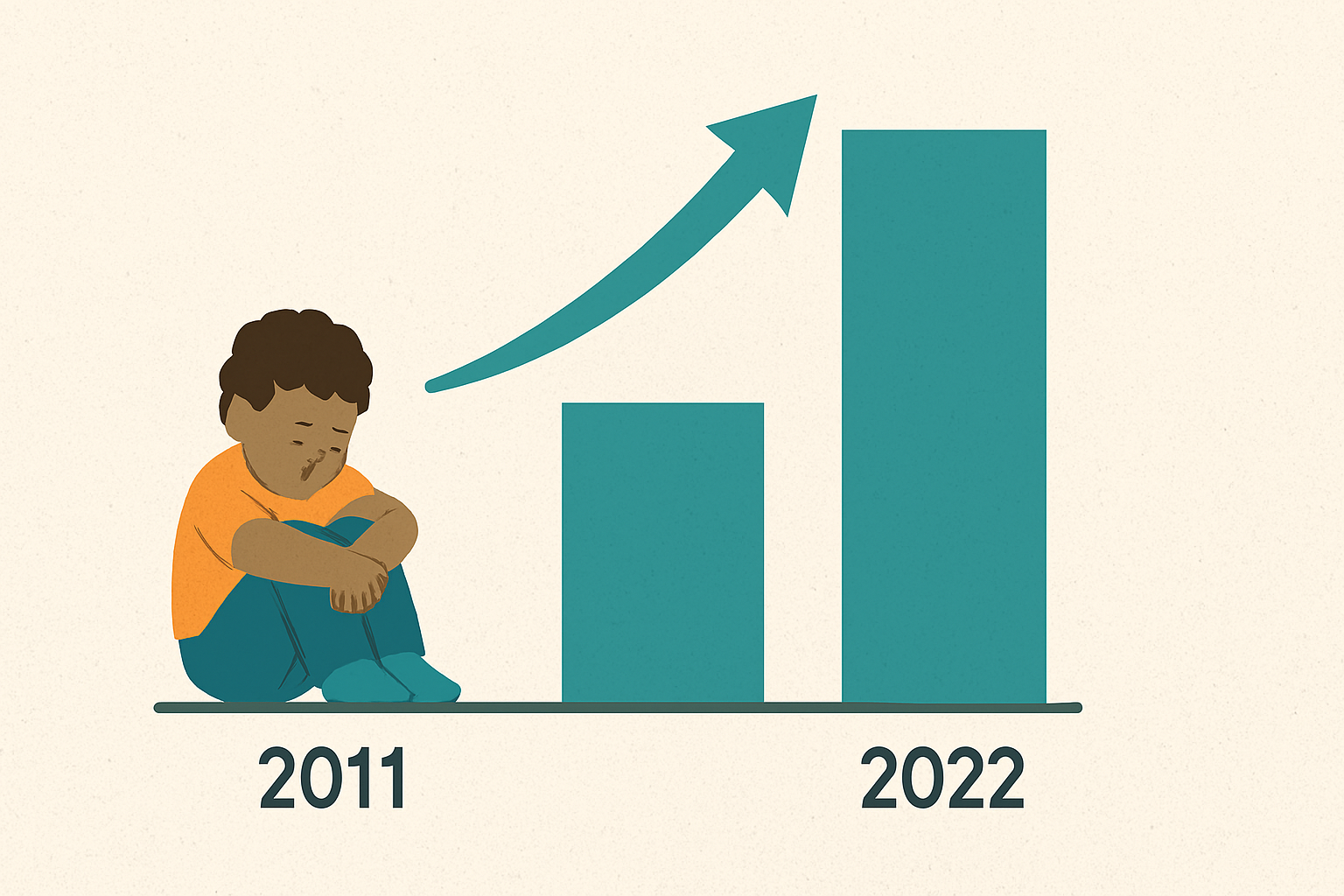
Over the past decade, pediatric behavioral health spending in the United States has surged—nearly doubling as a share of all children’s health care expenditures between 2011 and 2022. This trend, documented in a JAMA Pediatrics study, reflects both rising clinical needs and changing patterns in health care delivery and finances.
Trends in Pediatric Behavioral Health Expenditures
By 2022, total pediatric behavioral health care expenditures reached an estimated $41.8 billion—a significant rise from a much lower baseline in 2011. Behavioral health now represents 40.2 % of all medical spending on children aged 6 to 17, up from 22.4 % in 2011.
This rise is not just in nominal dollars but also as a proportion of total pediatric health costs, indicating a substantial shift in where health care dollars are going for children and adolescents.
Components of Behavioral Health Spending
Out-of-Pocket Costs
Families are paying more directly for behavioral health care. Out-of-pocket spending rose from about $2.1 billion in 2011 to $2.9 billion in 2022, increasing at an average rate of 6.4 % annually—more than double the growth rate for non-behavioral pediatric health spending.
By 2022, behavioral health costs accounted for more than a quarter of all pediatric out-of-pocket health spending.
Drivers Behind the Rising Costs
Several factors are likely contributing to this spending increase:
Rising Prevalence of Behavioral Health Conditions
Children’s behavioral health challenges—including anxiety, depression, ADHD, autism spectrum conditions, and others—are being recognized and diagnosed more frequently. Social changes, the impact of the COVID-19 pandemic on mental health, and reduced stigma may have contributed to increased demand for services.
Expanded Care Options and Delivery Methods
Expenditures grew across a range of service settings:
Home health care costs rose sharply (about 25 % per year).
Outpatient visits also increased (about 11 % per year).
Telehealth utilization for behavioral health spiked dramatically, growing nearly 99 % annually from 2020 to 2022, reflecting rapid adoption of virtual care.
Telehealth expansion particularly expanded access, but inconsistent reimbursement and variable quality pose ongoing challenges.
Family Financial Impact
The increase in behavioral health spending has important implications for families:
Financial Strain and Burden
Families with at least one child receiving behavioral health care face significantly higher financial strain. According to research:
Having a child with behavioral health expenditures was associated with a 60 % higher likelihood of high financial burden.
Families were also more likely to face extreme financial burden, defined as spending more than 10 % of household income on medical costs.
This indicates that rising behavioral health care needs are not only a public health issue but also a household economic challenge for many U.S. families.
Policy and Health System Challenges Insurance Coverage Gaps
Despite the growth in spending, insurance coverage for behavioral health may still lag behind that for physical health care. Many families still pay high costs because of:
Limited in-network provider availability.
Higher out-of-pocket expenses for certain services.
Inadequate parity enforcement in insurance benefits.
Strengthening insurance coverage coverage and parity laws could help reduce financial strain and improve access to care.
Provider Capacity and Access
The rapid rise in demand has outpaced workforce capacity, especially for specialized pediatric behavioral health clinicians. This shortage can increase reliance on higher-cost care settings (like emergency departments) or shift care to less optimal providers, contributing to higher overall costs.
Implications for Future Care
The doubling of behavioral health spending in children’s care highlights a broader societal need:
Early intervention and prevention strategies must be strengthened to reduce long-term costs and improve outcomes.
Digital and telehealth models show promise for expanding access, especially in underserved areas—if reimbursement and quality standards can keep pace with adoption.
Policymakers and health systems should focus on equitable access to affordable care, particularly for vulnerable families at risk of financial hardship.
Conclusion
The surge in pediatric behavioral health expenditures—from roughly one-fifth of all children’s health spending in 2011 to over 40 % in 2022—reflects growing clinical demand, increased recognition of behavioral health needs, and shifts in how care is delivered and financed. While this signals progress in addressing mental and behavioral health, it also underscores critical economic and policy challenges that must be addressed to ensure affordable, accessible, and effective care for all children.