
Introduction: Thyroid Health and Fetal Brain Development
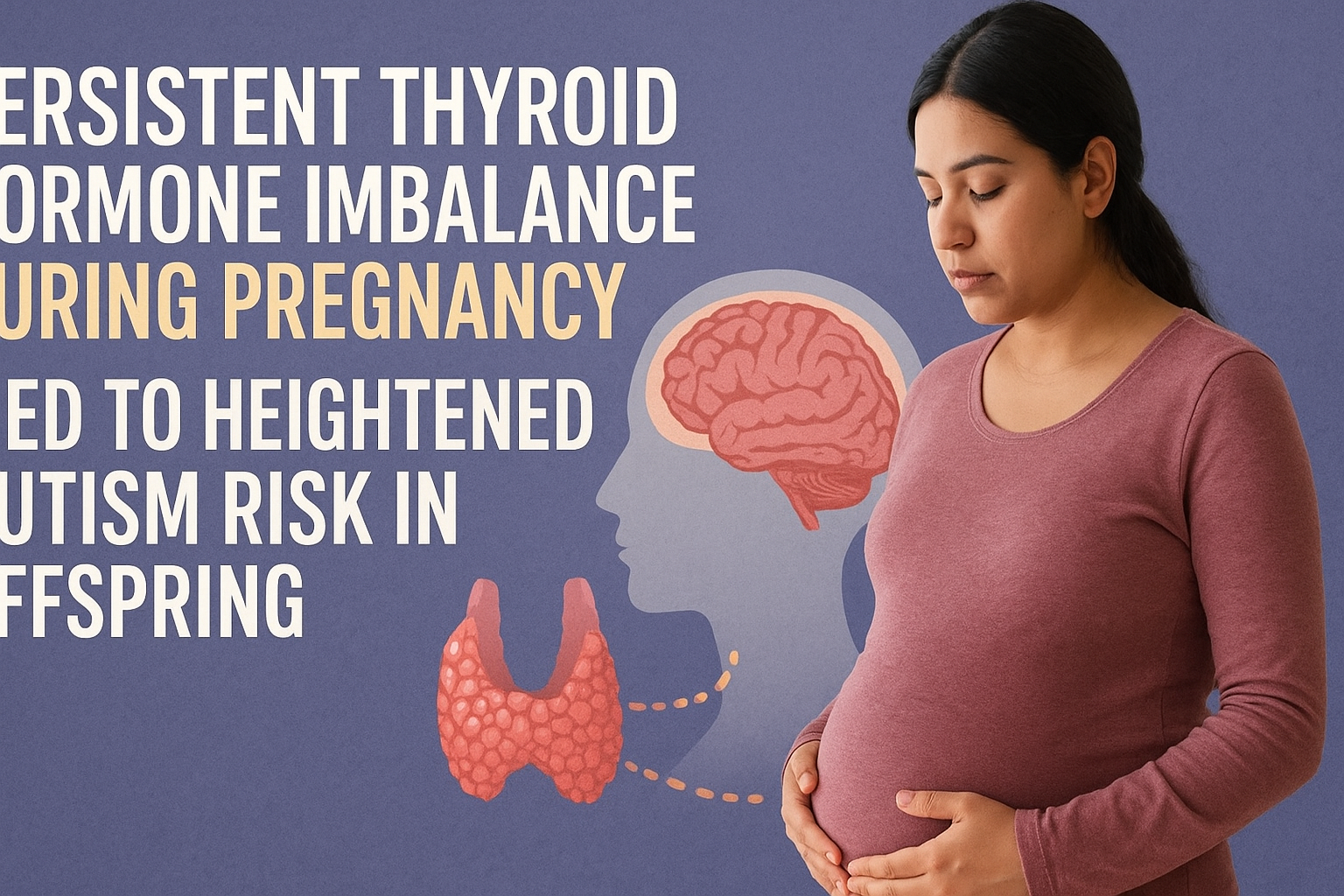
Thyroid hormones play a central role in fetal growth, especially during the first trimester when a developing baby relies entirely on the mother for these hormones. These hormones regulate brain formation, neuron growth, and the development of cognitive and social behaviors. Recent research suggests that persistent thyroid hormone imbalance during pregnancy—either too low or too high—may increase the risk of autism spectrum disorder (ASD) in children. As rates of ASD diagnosis continue to rise globally, understanding prenatal influences is essential for early prevention and maternal care.
What Is Thyroid Hormone Imbalance?
Thyroid hormone imbalance during pregnancy usually takes two forms:
A. Hypothyroidism (Low Thyroid Hormone)
This occurs when the thyroid gland does not produce enough hormones.
Common causes include:
Iodine deficiency
Autoimmune thyroiditis
Pregnancy-related hormonal changes
B. Hyperthyroidism (High Thyroid Hormone)
This occurs when the thyroid becomes overactive.
Often caused by:
Graves’ disease
Excessive intake of thyroid medications
Thyroid nodules
Both extremes can disrupt fetal brain development if the imbalance is not corrected in time.
Adults aged 50–80 years
Those with a 20 pack-year smoking history (e.g., 1 pack/day for 20 years or 2 packs/day for 10 years)
Current smokers or those who quit within the last 15 years
These individuals have the highest risk of developing lung cancer. Despite meeting these criteria, a very small percentage participate in screening programs.
How Thyroid Hormone Imbalance Influences Autism Risk
Studies indicate that persistent imbalance—not just temporary fluctuations—has the strongest association with autism risk. The connection may be explained by several physiological mechanisms:
A. Impact on Neuronal Development
Thyroid hormones guide the formation of neural circuits responsible for social communication, sensory processing, and emotional regulation—areas often affected in ASD.
B. Altered Synapse Formation
Low or high thyroid levels influence the formation of synapses, the tiny connections through which neurons communicate. Poor synapse development may affect learning and behavior.
C. Inflammation and Immune Response
Thyroid imbalance can trigger maternal inflammation, which is linked to neurodevelopmental disorders.
D. Genetic and Epigenetic Effects
Hormone imbalances may switch on or off certain genes involved in brain growth, making the fetus more vulnerable to ASD.
How Thyroid Hormone Imbalance Influences Autism Risk
Understanding what contributes to thyroid imbalance helps mothers and doctors take preventive measures. Key risk factors include:
Family history of thyroid disease
Autoimmune disorders, such as Hashimoto’s or Graves’
Nutritional deficiencies, especially iodine or selenium
Multiple pregnancies, like twins or triplets
Maternal age above 35
Obesity or high BMI
Pre-existing thyroid conditions
Women who fall into any of these categories require closer monitoring throughout pregnancy.
Importance of Early Screening and Monitoring
Thyroid testing is simple, inexpensive, and highly effective. Many experts recommend checking thyroid function:
Before conception
During the first trimester
Again in the second trimester if risk factors are present
Early intervention—such as thyroid hormone replacement for hypothyroidism or medication to control hyperthyroidism—can greatly reduce complications for both mother and baby.
Reducing Autism Risk Through Maternal Thyroid Care
While thyroid imbalance is only one of many potential contributors to ASD, maintaining appropriate hormone levels during pregnancy has clear benefits. Strategies to lower risk include:
A. Regular Medical Check-Ups
Frequent prenatal visits help detect thyroid problems early.
B. Medication Adherence
If prescribed levothyroxine or antithyroid drugs, following the correct dosage is essential.
C. Nutritional Support
Diets rich in iodine, zinc, and selenium support healthy thyroid function. Foods include dairy, seafood, eggs, nuts, and whole grains.
D. Managing Stress
Chronic stress can disrupt thyroid balance. Practices such as yoga, breathing exercises, and adequate sleep can help.
E. Avoiding Excessive Supplementation
Too much iodine or thyroid medication can be just as harmful as too little.
Conclusion
Persistent thyroid hormone imbalance during pregnancy is increasingly recognized as a significant factor linked to heightened autism risk in children. While thyroid disorders are common among women, they are also highly treatable when detected early. With routine screening, proper medical care, and informed lifestyle choices, mothers can support healthy fetal brain development and reduce the potential risk of neurodevelopmental challenges. Understanding and caring for thyroid health during pregnancy is therefore an essential step toward healthier outcomes for both mother and child.