
Introduction
Dementia is a progressive neurological condition that affects memory, thinking, behavior, and the ability to perform daily activities. It is most common among older adults, but it is not a normal part of aging. In recent years, researchers have identified several risk factors that may increase the likelihood of developing dementia. Among these, physical frailty and depression have gained significant attention. Studies suggest that both conditions, individually and together, are strongly linked to an increased risk of dementia, highlighting the importance of early identification and prevention.
Understanding Physical Frailty
Physical frailty is a medical condition characterized by reduced strength, endurance, and physical functioning. Frail individuals often experience symptoms such as unintentional weight loss, weakness, slow walking speed, exhaustion, and low physical activity. Frailty makes the body less capable of handling stressors like illness or injury.
Frailty is not just a physical issue; it reflects overall biological aging. Research indicates that frail individuals have a higher risk of cognitive decline because physical weakness is often associated with reduced brain health, poor blood circulation, inflammation, and hormonal imbalances. These factors can negatively affect brain function and increase vulnerability to dementia.
Depression and Its Impact on Brain Health
Depression is a common mental health disorder marked by persistent sadness, loss of interest, fatigue, poor concentration, and changes in sleep or appetite. In older adults, depression is often underdiagnosed and mistaken for normal aging.
Depression has been linked to changes in brain structure and function, including reduced hippocampal volume, increased stress hormones, and chronic inflammation. These biological changes can damage neurons and impair memory and thinking skills. Long-term or untreated depression may accelerate cognitive decline, thereby increasing the risk of dementia.
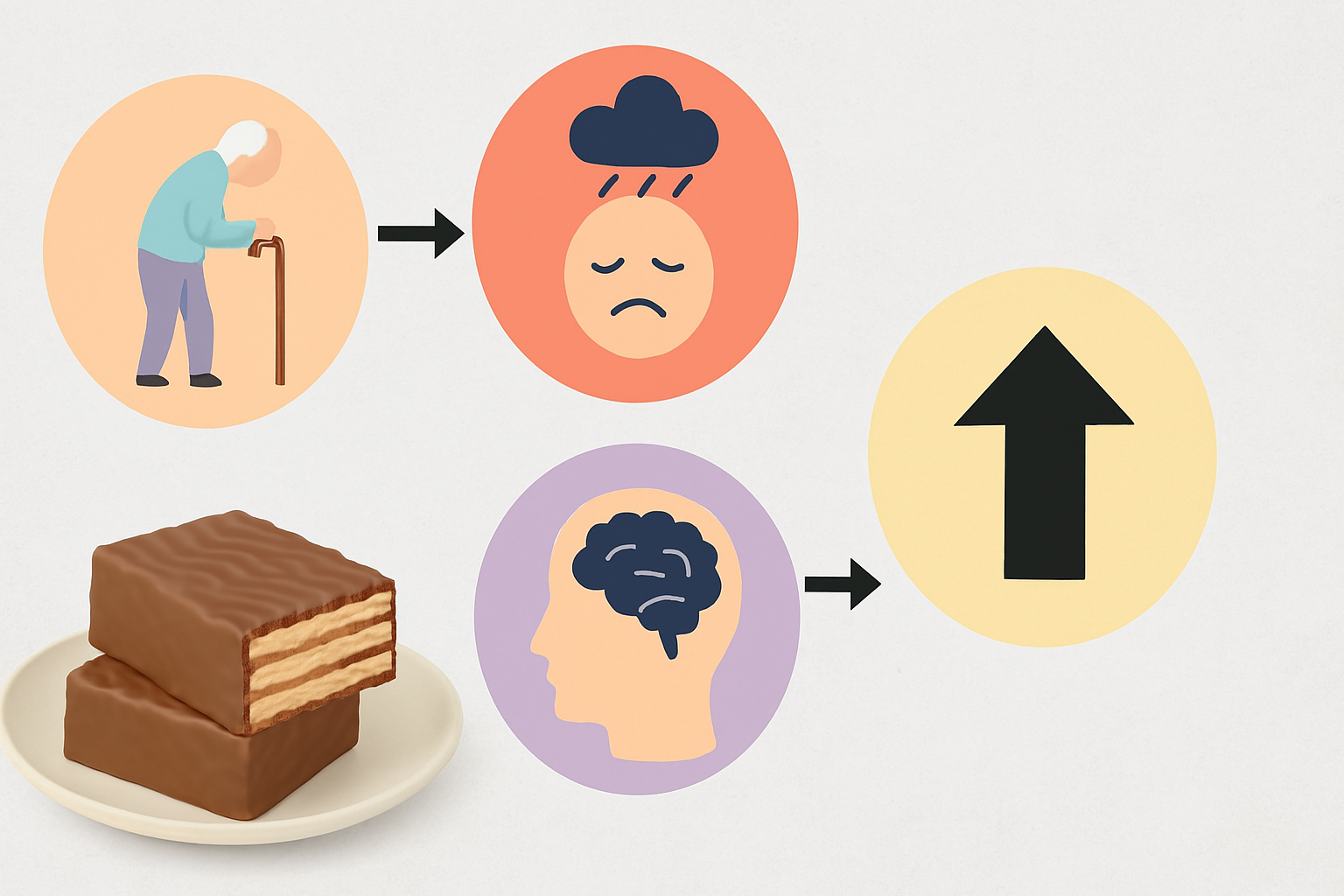
The Combined Effect of Frailty and Depression
When physical frailty and depression occur together, their combined impact on dementia risk is significantly greater than either condition alone. Frailty can limit physical activity and social engagement, which may worsen depressive symptoms. At the same time, depression can reduce motivation to exercise, eat well, or seek medical care, thereby increasing frailty.
This negative cycle creates a state of vulnerability in which both the body and brain are weakened. Studies show that individuals who are both physically frail and depressed have a much higher likelihood of developing dementia compared to those who have neither condition.
Possible Biological Mechanisms
Several biological mechanisms may explain the link between frailty, depression, and dementia. These include chronic inflammation, oxidative stress, reduced blood flow to the brain, and hormonal imbalances. Additionally, lifestyle factors such as poor nutrition, lack of exercise, and social isolation may further contribute to cognitive decline. Together, these factors damage brain cells and disrupt neural connections, increasing dementia risk.
Importance of Early Detection and Prevention
The association between physical frailty, depression, and dementia emphasizes the importance of early detection. Frailty and depression are potentially modifiable conditions, meaning timely intervention can reduce their severity. Regular physical activity, balanced nutrition, mental health support, social engagement, and proper medical care can help improve physical and emotional well-being.
By addressing frailty and depression early, it may be possible to delay or even prevent the onset of dementia, improving quality of life for older adults.
Conclusion
In conclusion, physical frailty and depression are important risk factors for dementia. Both conditions negatively affect brain health, and when they occur together, they significantly increase the risk of cognitive decline. Understanding this link highlights the need for integrated physical and mental health care in aging populations. Preventive strategies focused on maintaining physical strength and emotional well-being may play a crucial role in reducing dementia risk and promoting healthy aging.