What Is PM₂.₅ & Why It Matters
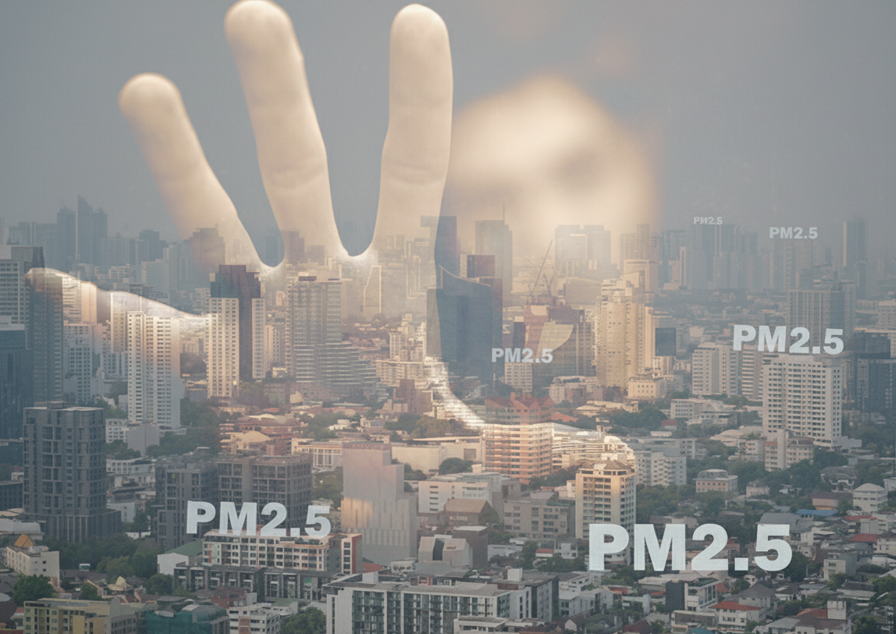
PM₂.₅ refers to fine particulate matter with a diameter of 2.5 micrometers or less. Because they’re so small, these particles can penetrate deeply into the lungs, enter the bloodstream, cross the blood-brain barrier, and trigger inflammation, oxidative stress, and other harmful effects in the brain.
Sources include vehicle exhaust, industrial emissions, wildfires, agriculture, and combustion of coal. Different studies note that particles from wildfires or agriculture may be especially harmful.
Key Findings: How PM₂.₅ Impacts Dementia
1. Higher Severity of Alzheimer’s Neuropathology
-
One study, using data from the Center for Neurodegenerative Disease Research Brain Bank at UPenn (autopsy cases spanning 1999-2022), found that people with higher recent exposure to PM₂.₅ prior to death had greater Alzheimer disease neuropathologic change (ADNC). This means that exposure wasn’t just associated with getting dementia, but with more severe underlying brain changes typical of Alzheimer’s.
-
Also, in a subset of cases where clinical scores were available (CDR-SB = Clinical Dementia Rating Sum of Boxes), higher PM₂.₅ exposure corresponded with worse cognitive and functional impairment.
-
Importantly, about 63% of the link between higher PM₂.₅ exposure and worse cognitive impairment was statistically mediated by Alzheimer’s-related neuropathology (i.e. ADNC). In simple terms: much of the harm from PM₂.₅ seems to go through those characteristic Alzheimer’s brain changes.
2. Increased Risk of Dementia Incidence
-
Longitudinal studies (following people over time) support that long-term PM₂.₅ exposure raises the risk of developing dementia in the first place. For example, the “Three-City Study” in France found that for every +5 µg/m³ increase in long-term PM₂.₅ exposure, there was a roughly 20% increase in risk of all-cause dementia, and similar increased risk for Alzheimer’s disease (AD) and vascular or mixed dementia.
-
Another large meta-analysis (using the “Burden of Proof” framework) concluded that across multiple studies, there is a consistent association between ambient PM₂.₅ exposure and dementia risk. Even at relatively low levels (e.g. between ~4.5 and ~26.9 µg/m³), there was a minimum of ~14% increased risk.
3. Differential Effects and Vulnerabilities
-
Some studies highlight that those with certain genetic risk factors do worse: for example, carriers of the APOE ε4 allele (a known risk factor for Alzheimer’s) show stronger associations between PM₂.₅ exposure and dementia in some contexts.
-
Also, source matters: smaller particles from wildfire smoke, agricultural burning, or certain pollutants may carry greater risk. Wildfire PM₂.₅ in particular has been linked to higher odds of dementia diagnosis in recent studies.
Implications for Public Health
-
Preventive potential: If PM₂.₅ exposure contributes both to the risk of dementia and the severity of dementia pathology, reducing air pollution could help not just prevent new cases, but potentially slow worsening of symptoms for people already living with dementia.
-
Policy relevance: The findings underscore the importance of tight regulation of air pollution, especially for emissions from sources like wildfires, agriculture, industry, and traffic. Policies aimed at lowering PM₂.₅ could yield large benefits for brain health in older populations.
-
Targeting vulnerable groups: Older adults, people with genetic risk factors (like APOE ε4), those in lower socioeconomic areas, or those exposed to high pollution sources may need particular attention. Public health strategies could involve better monitoring, awareness campaigns, and exposure mitigation (air purifiers, clean energy, urban planning)
Limitations & Open Questions
Causation vs. association: Most evidence is observational. Although many studies adjust for confounders (age, education, socioeconomic status, health behaviors), there’s always the possibility of unmeasured factors. Autopsy studies help with mechanistic insight, but they are generally retrospective.
Exposure measurement: Estimating individual exposure (versus ambient / area-level exposure) is difficult. How precisely can studies account for how much time someone spends outdoors, indoor air quality, or transient spikes in pollution like smoke episodes?
Thresholds and dose-response: Some findings suggest risk increases more steeply at lower PM₂.₅ levels up to a point, then risk increase slows. What are “safe” levels? And how does risk scale across different populations and geographies?
Mechanisms: While Alzheimer neuropathology seems to mediate a lot of the effect, other pathways—vascular damage, inflammation, oxidative stress, blood-brain barrier disruption—need more study. Also how different constituents of PM₂.₅ (black carbon, sulfates, organic matter, etc.) vary in neurotoxicity.
What This Means for Patients & Surgeons
For patients considering cataract surgery or lens replacement and wishing to reduce dependency on glasses (especially for intermediate tasks like computer work), PCIOLs represent a significant advance over traditional monofocal lenses.
Surgeons should evaluate patient expectations, ocular anatomy (including previous surgeries), and lifestyle (how often they do near tasks, low-light work, etc.) when selecting a PCIOL type.
Preoperative counseling is crucial so that patients understand both the likely improvements (distance, intermediate, near vision, high chance of reduced glasses use) as well as potential downsides (glare, halos, trade-offs in contrast).
Summary
Modern presbyopia-correcting intraocular lenses have shown strong improvements in visual outcomes: excellent distance and intermediate vision, good near vision, high rates of spectacle independence, and strong patient satisfaction. While there are trade-offs (especially in terms of photic effects and contrast), selecting the right lens for the right patient and setting realistic expectations yields very good results. These lenses mark an important advance in helping patients achieve a more natural range of vision without being heavily dependent on glasses.
If you like, I can pull up a comparison chart of different PCIOL models (EDOF vs trifocal vs bifocal) with their performance metrics (near vision, halos, contrast) so you can see which one might suit different patient needs.
Our Products
-
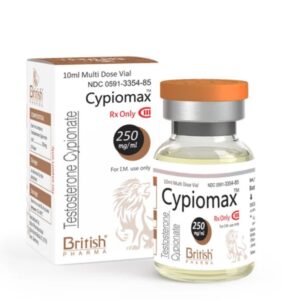
Testosterone Cypionate
$200.00 / Per 10ml
-
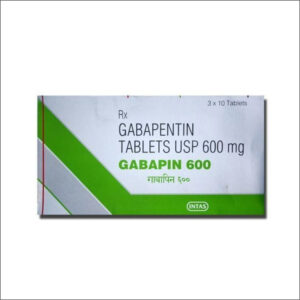
Gabapentin 600 mg
$1.50 / Per Pill
-
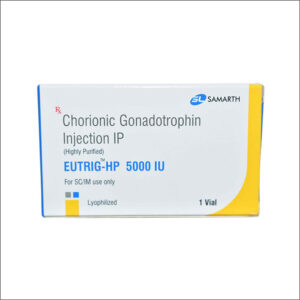
HCG 5000 IU
$8.00 / Per Vial