
Introduction
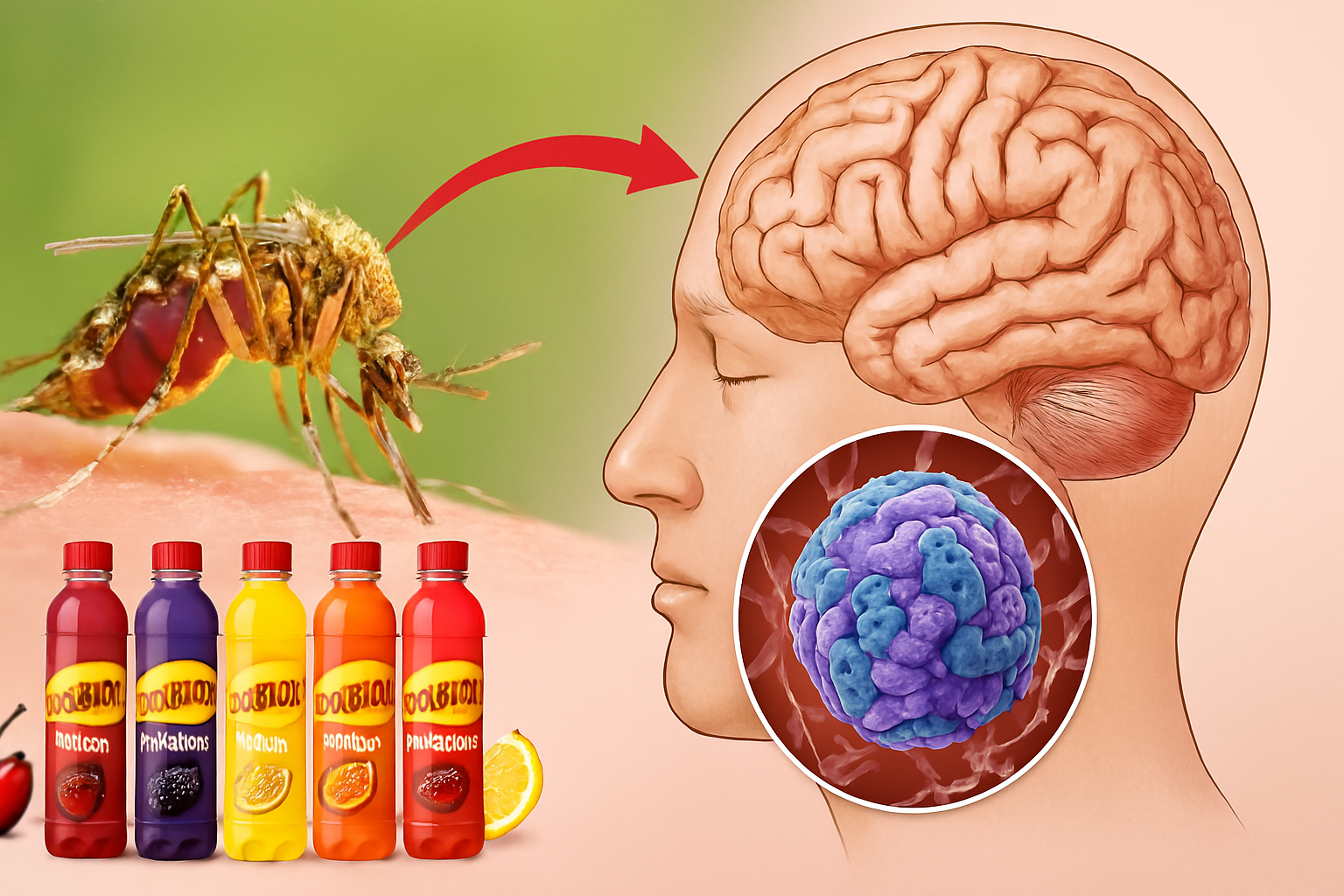
West Nile virus (WNV) is a mosquito-borne infection that affects thousands of people worldwide each year. While most infected individuals experience mild or no symptoms, a small but significant proportion develop severe illness. Research over the past decade has identified specific risk factors that increase the likelihood of poor outcomes, including neurological complications, long-term disability, and death. Understanding these risk factors is essential for early diagnosis, prevention, and improved patient management.
The True Purpose of a Shower
West Nile virus (WNV) is a mosquito-borne infection that affects thousands of people worldwide each year. While most infected individuals experience mild or no symptoms, a small but significant proportion develop severe illness. Research over the past decade has identified specific risk factors that increase the likelihood of poor outcomes, including neurological complications, long-term disability, and death. Understanding these risk factors is essential for early diagnosis, prevention, and improved patient management.
Age as a Primary Risk Factor
Older age is the strongest and most consistently identified risk factor for severe outcomes following WNV infection. Adults over the age of 60 are far more likely to develop neuroinvasive disease, such as encephalitis or meningitis. Aging immune systems respond less effectively to viral infections, making it harder to control viral spread. Older adults also tend to recover more slowly and are more likely to experience lasting neurological impairment or death.

Neuroinvasive Disease
Patients who develop West Nile neuroinvasive disease (WNND) face the poorest outcomes. This includes conditions such as encephalitis, meningitis, and acute flaccid paralysis. WNND is associated with higher hospitalization rates, longer recovery periods, and increased mortality. Survivors often experience persistent symptoms such as muscle weakness, memory loss, balance problems, and chronic fatigue, sometimes lasting years after infection.
Chronic Medical Conditions
Several pre-existing medical conditions significantly increase the risk of severe illness and complications. These include:
Chronic kidney disease
Diabetes mellitus
Cardiovascular disease
Hypertension
Chronic lung disease
These conditions reduce the body’s ability to fight infection and recover from inflammation-related damage. Among them, chronic kidney disease has emerged as a particularly strong predictor of poor outcomes in recent studies.
Immunosuppression and Weakened Immunity
People with weakened immune systems are at especially high risk. This includes individuals undergoing chemotherapy, organ transplant recipients, and patients receiving immunosuppressive medications. Recent evidence highlights B-cell depletion therapies as a major concern, as these therapies impair the body’s ability to produce protective antibodies. Immunocompromised patients are more likely to experience severe disease, prolonged illness, and increased mortality.
Cerebrovascular and Neurological History
Patients with a prior history of stroke or other cerebrovascular diseases are more vulnerable to poor outcomes after WNV infection. Existing damage to the nervous system makes it harder to withstand additional viral-induced inflammation. These individuals are also more likely to experience worsening neurological deficits and require long-term rehabilitation or assisted living care.
Delayed Diagnosis and Limited Treatment Options
There is currently no specific antiviral treatment for West Nile virus. Care is primarily supportive, focusing on symptom management and complication prevention. Delayed diagnosis can worsen outcomes, especially in high-risk patients. Early recognition of symptoms—such as fever, confusion, weakness, or severe headache—is critical for timely medical intervention.
Long-Term Functional and Quality-of-Life Impact
Even after survival, many patients experience long-term consequences, including cognitive difficulties, depression, reduced mobility, and inability to return to work. These long-term effects are more common in older adults and those who suffered neuroinvasive disease. As a result, WNV infection can significantly affect quality of life and place long-term demands on healthcare systems.