
Overview & Approval
Suzetrigine, marketed as Journavx, is a first-in-class, oral, non-opioid analgesic, officially approved by the FDA on January 30, 2025 for treating moderate-to-severe acute pain in adults. . It fills a long-standing void—being the first new non-opioid pain medication approved in over 20 years.
🎉 Participate in the Quiz & Win Prizes! 🎉
🏆 1st Prize: $20 Amazon Voucher
🥈 2nd Prize: $10 Amazon Voucher
📅 Winners will be announced on 31st August 2025.
💡 Your valuable time is precious to us. 💡
Don’t miss out—join the quiz and grab your chance to win! 🚀
Mechanism of Action
Unlike opioids, which act on the central nervous system and carry addiction risks, suzetrigine targets the Nav1.8 voltage-gated sodium channel in peripheral pain-sensing neurons (nociceptors).
Specifically, suzetrigine binds allosterically to the second voltage-sensing domain (VSD2) of Nav1.8, stabilizing its inactive (closed) state and preventing pain signals from reaching the spinal cord and brain.
This precise targeting confers high potency and selectivity, minimizing effects on other sodium channels and avoiding CNS-related side effects.
Clinical Efficacy
Clinical trials—including two randomized, double-blind, placebo- and active-controlled phase 3 studies—compared suzetrigine to placebo and hydrocodone/acetaminophen after abdominoplasty and bunionectomy surgeries. Results showed statistically significant pain reduction compared to placebo, with efficacy nearing that of hydrocodone-containing medication.
On a typical 0–10 pain scale, pain decreased from about 7 to around 3.5—a reduction of roughly 50%. However, it did not outperform hydrocodone/acetaminophen in direct comparison, and many patients still required NSAID “rescue” analgesics
Notably, suzetrigine appeared less effective for chronic pain scenarios, such as sciatica or long-term neuropathic pain, where efficacy often mirrored placebo. . To address this, Vertex is advancing Phase 3 studies in painful diabetic peripheral neuropathy and lumbosacral radiculopathy
Safety & Side Effects
Common adverse reactions include:
Itching (pruritus)
Muscle spasms
Rash
Elevated creatine phosphokinase (CPK) levels

Other mild effects may include nausea, constipation, headache, and dizziness, but there have been no serious neurological, behavioral, or cardiovascular issues reported to date.
Suzetrigine exhibits notable drug interactions: it is contraindicated with strong CYP3A inhibitors (e.g., grapefruit juice) and dosage adjustments are necessary with moderate inhibitors or in hepatic impairment; it may also affect the metabolism of other CYP3A substrates
Dosage & Pharmacology
Typical regimen: A loading dose of 100 mg, followed by 50 mg every 12 hours Medical LetterCNN.
Pharmacokinetics:
Tmax around 3 hours;
Half-life roughly 24 hours (parent) and 33 hours (active metabolite) Drugs.com.
Nearly completely protein-bound; metabolized via CYP3A
Practical Impact & Outlook
Suzetrigine’s approval has been hailed as a major public health milestone, offering an alternative to opioids in acute pain management and potentially mitigating opioid dependence risks.
Market reaction was swift—Vertex’s stock rose following the FDA announcement—and the drug carries a wholesale cost of $15.50 per 50 mg pill.
Patient access may be supported via manufacturer assistance program. Clinicians acknowledge the drug may not suit all pain scenarios, but largely recognize its potential to reshape multimodal pain management, especially within postoperative settings. Meanwhile, further research into its role in chronic and neuropathic pain continues.
Unmet Need and Future Prospects
LGSOC is a rare ovarian subtype often resistant to standard chemotherapy and hormonal therapy, with survival measured in years rather than months Drugs.comVerastem Investor. Approximately 30% of LGSOC patients harbor KRAS mutations, placing them in a difficult-to-treat subgroup Drugs.com+1. Avmapki Fakzynja addresses this gap as the first targeted option for KRAS-positive recurrent LGSOC Verastem InvestorDrugs.com.
To convert this accelerated approval into full approval, a confirmatory trial is required. Verastem is conducting RAMP-301, a Phase 3 international trial comparing the combination against standard chemotherapy or hormonal therapy, potentially expanding its regulatory reach, including into KRAS wild-type LGSOC
Summary Table
| Feature | Details |
|---|---|
| Name | Suzetrigine (Journavx) |
| Approval | FDA, Jan 30, 2025 |
| Mechanism | Selective NaV1.8 blocker in peripheral nerves |
| Indication | Moderate-to-severe acute pain in adults |
| Efficacy | Comparable to opioids in trials; ~50% pain reduction |
| Chronic Pain | Limited efficacy; additional studies ongoing |
| Side Effects | Itching, muscle spasms, rash, ↑ CPK |
| Interactions | CYP3A modulators; grapefruit contraindicated |
| Dosage | 100 mg loading, then 50 mg every 12 h |
| Cost | ~$15.50 per pill wholesale |
| Significance | First non-opioid pain med in >20 yrs; key in opioid-free strategies |
Our Products
-
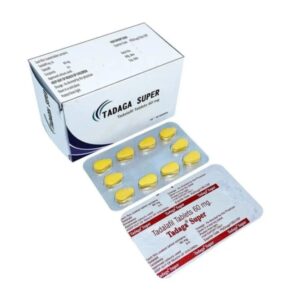
Tadaga Super 60mg
$2.00 / Per Pill
-
Lovegra 100mg
$1.50 / Per Pill

-
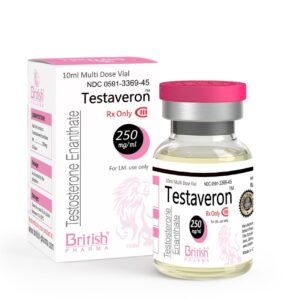
Testosterone Enanthate
$240.00 / Per 10ml