Mechanism of Action and Potential for Abuse
Tapentadol exerts its analgesic effects via two main mechanisms: it acts as a mu-opioid receptor agonist and also inhibits the reuptake of norepinephrine. This dual mechanism differentiates it from traditional opioids, like morphine or oxycodone, which rely primarily on mu-opioid receptor activity. Theoretically, this dual-action may reduce the risk of dependency compared to classic opioids, as lower doses of mu-opioid activity may be sufficient when combined with norepinephrine reuptake inhibition.
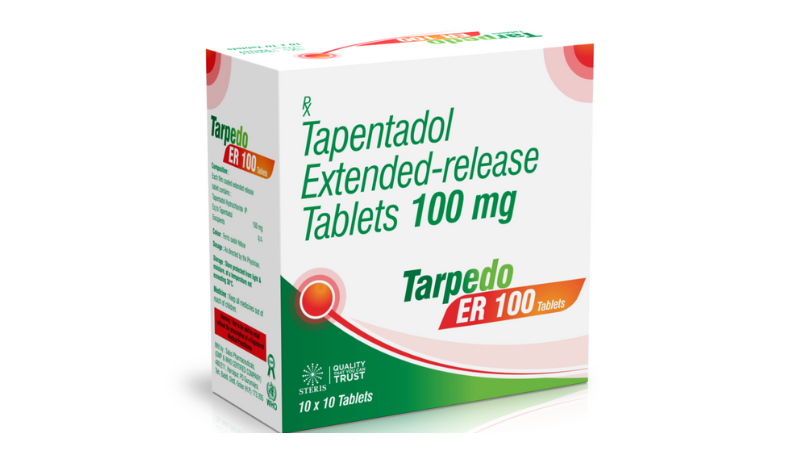
However, studies have shown that tapentadol still carries a risk of misuse. It is classified as a Schedule II controlled substance in the United States, indicating a high potential for abuse and dependency, albeit somewhat lower than that of Schedule I drugs. The 100mg dose, especially in extended-release form, is particularly scrutinized due to its higher concentration and longer duration of action, which could appeal to individuals with substance use disorders.
Clinical Studies and Observational Data
Several clinical trials and observational studies have assessed the abuse potential of tapentadol. A 2020 review published in Pain Physician highlighted that while the abuse rate of tapentadol is significantly lower than that of other opioids like oxycodone and hydrocodone, it is not negligible. The article emphasized that the lower abuse liability may be due in part to the unique pharmacological profile and reduced euphoric effect compared to other opioids.
Post-marketing surveillance data also support a relatively favorable abuse profile. A study conducted by RADARS (Researched Abuse, Diversion and Addiction-Related Surveillance) found that the rates of abuse, diversion, and overdose associated with tapentadol were consistently lower than with other Schedule II opioids. Still, the risk was not absent, especially among populations with a history of substance abuse.
Tolerance, Dependence, and Withdrawal
Like all opioids, long-term use of tapentadol can lead to physical tolerance and dependence. Dependence is characterized by the body adapting to the presence of the drug, which can result in withdrawal symptoms if the medication is abruptly discontinued. Research indicates that withdrawal from tapentadol tends to be milder than from stronger opioids like fentanyl or heroin, but still includes common symptoms such as agitation, sweating, nausea, muscle aches, and insomnia.
Gradual tapering is recommended for patients discontinuing tapentadol to mitigate withdrawal symptoms. Healthcare providers are advised to monitor patients closely, especially those on higher doses like 100mg ER, to detect signs of misuse or psychological dependence.
Conclusion and Clinical Considerations
While tapentadol 100mg is effective in pain management and shows a lower risk of dependency compared to traditional opioids, it is not without risks. The potential for dependency exists, particularly with prolonged use or misuse. The research suggests that careful patient selection, education, and monitoring are essential in minimizing the risk.
Clinicians should weigh the benefits and risks before prescribing tapentadol, especially in patients with a history of substance use disorder. With responsible use and appropriate oversight, tapentadol can be a valuable tool in pain management with a comparatively reduced, though not eliminated, risk of abuse and dependency.