1. Recognize the Need for Tapering
Why taper? Abrupt discontinuation can trigger withdrawal symptoms, including nausea, anxiety, muscle aches, and insomnia.
Signs of dependence may include needing more medication for the same effect, craving doses earlier than scheduled, or experiencing withdrawal between doses.
Medical Evaluation Before Tapering
Consult a healthcare provider to assess your physical and mental health.
Consider factors such as:
Duration of use
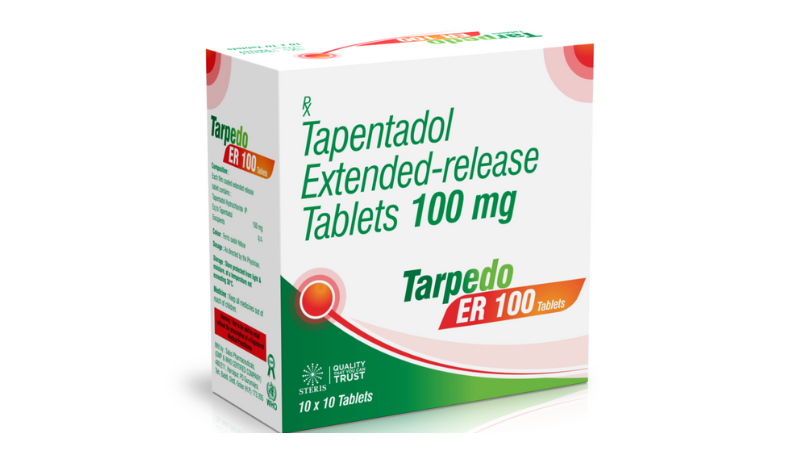
Dosage (100mg once or twice daily)
Co-existing conditions (e.g., anxiety, depression, or substance use disorder)
Current pain levels and coping ability
Develop an Individualized Tapering Plan
Typical tapering schedule: 10%–25% dose reduction every 7–14 days.
Slower tapers may be necessary for:
Long-term users (over 3 months)
Elderly patients
Those with a history of withdrawal or relapse
Example Taper for Tapentadol 100mg twice daily (200mg/day):
Week 1–2: Reduce to 75mg twice daily (150mg/day)
Week 3–4: Reduce to 50mg twice daily (100mg/day)
Week 5–6: Reduce to 25mg twice daily (50mg/day)
Week 7: 25mg once daily
Week 8–9: Discontinue
Manage Withdrawal Symptoms
Even with slow tapering, mild symptoms can occur:
Physical: Muscle aches, chills, fatigue, stomach upset
Emotional: Anxiety, irritability, low mood
Strategies to manage symptoms:
Stay hydrated and eat nutritious meals
Use heating pads for muscle aches
Practice relaxation techniques like deep breathing or meditation
Use over-the-counter medications (e.g., loperamide for diarrhea, acetaminophen for pain)
Conclusion
Tapering off tapentadol 100mg is a gradual process that requires planning, patience, and medical guidance. With the right support, symptom management, and pain control strategies, most patients can safely and successfully discontinue use. Always prioritize open communication with your healthcare team and never attempt to taper off opioids without professional supervision.