
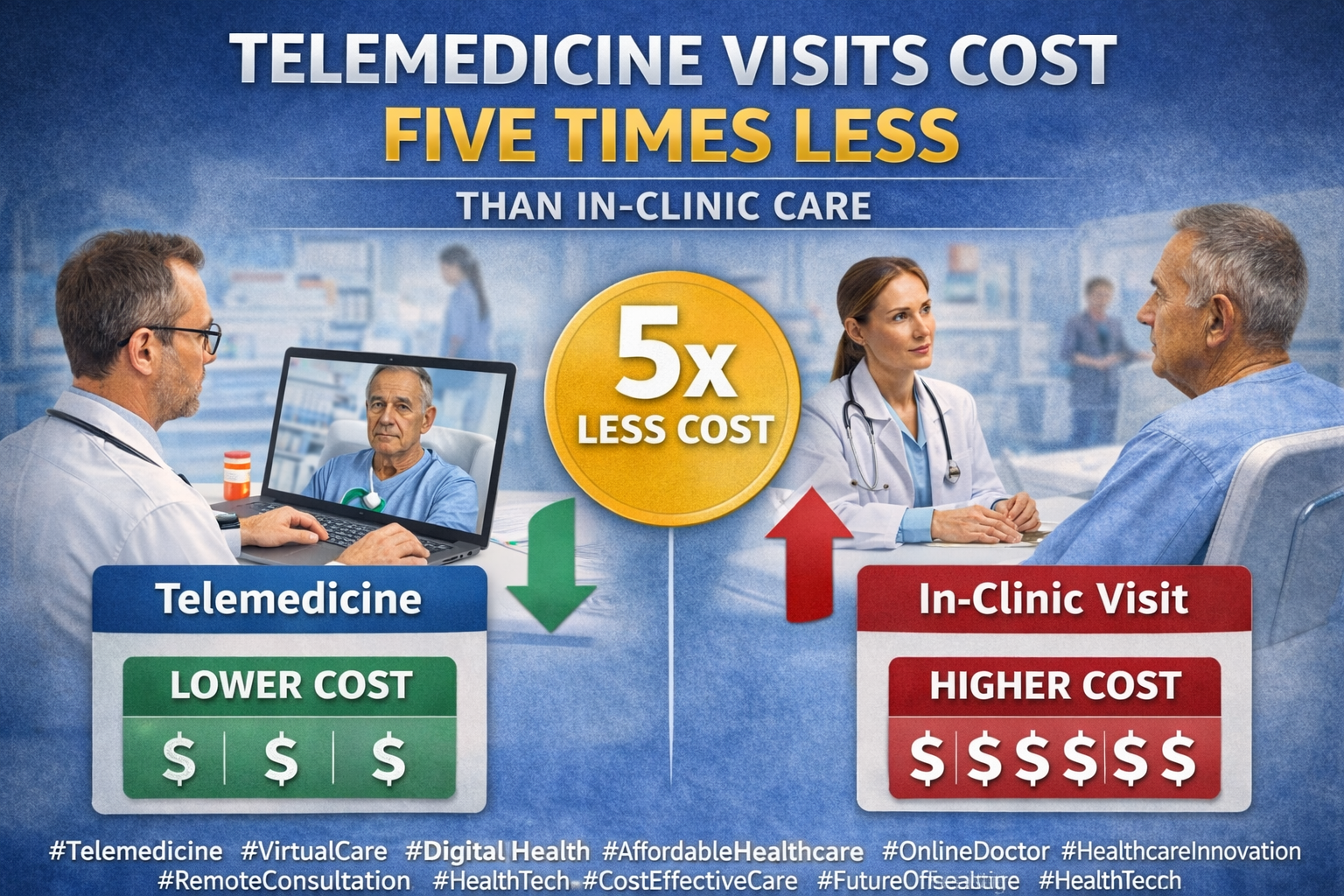
Telemedicine Visits Cost Five Times Less Than In-Clinic Care
Telemedicine has transformed the healthcare landscape by making medical consultations more accessible, convenient, and affordable. In recent years, especially after the COVID-19 pandemic, virtual healthcare visits have become increasingly popular. One of the most significant advantages of telemedicine is its cost-effectiveness. Studies and healthcare reports indicate that telemedicine visits can cost up to five times less than traditional in-clinic appointments, making healthcare more affordable for millions of patients.
What Is Telemedicine?
Telemedicine refers to the use of digital communication technologies—such as video calls, phone consultations, and online messaging—to provide medical care remotely. Through telemedicine platforms, patients can consult doctors, receive prescriptions, discuss lab results, and get follow-up care without physically visiting a hospital or clinic.
This model is particularly useful for routine check-ups, minor illnesses, mental health counseling, chronic disease management, and follow-up consultations. By eliminating the need for travel and reducing administrative expenses, telemedicine significantly lowers the overall cost of care.
Why Telemedicine Costs Less
There are several reasons why telemedicine visits are much cheaper than in-clinic care:
-
Reduced Overhead Costs:
Physical clinics require rent, utilities, medical equipment, reception staff, and maintenance expenses. Telemedicine reduces many of these overhead costs. Healthcare providers can operate with fewer physical resources, and those savings are often reflected in patient fees.
Lower Transportation Expenses:
Patients save money on travel, fuel, parking, or public transport fares. In rural or remote areas, where patients may need to travel long distances to see a specialist, telemedicine provides a highly affordable alternative.Time Savings:
Telemedicine reduces waiting times and allows patients to schedule appointments more flexibly. Less time away from work means fewer lost wages, which indirectly lowers the total cost burden on patients.Prevention of Emergency Visits:
Early virtual consultations can help detect and manage health issues before they worsen. This reduces the need for costly emergency room visits or hospital admissions.Streamlined Administrative Processes:
Digital records, online billing, and automated appointment systems reduce paperwork and administrative costs.
Benefits for Patients
Lower costs are not the only advantage of telemedicine. Patients also benefit from:
Convenience: Access healthcare from home or office.
Improved Access: People in rural or underserved areas can consult specialists without traveling long distances.
Better Chronic Disease Management: Regular follow-ups become easier and more affordable.
Reduced Exposure to Infections: Virtual visits reduce the risk of exposure to contagious diseases in waiting rooms.
Telemedicine is particularly beneficial for elderly patients, individuals with mobility challenges, and those managing long-term conditions such as diabetes, hypertension, or asthma.
Impact on Healthcare Systems
Healthcare systems also benefit financially from telemedicine. By lowering operational costs and reducing hospital overcrowding, virtual care helps allocate resources more efficiently. Insurance providers are increasingly recognizing the value of telemedicine and often offer coverage for virtual visits, further encouraging adoption.
Additionally, telemedicine can help reduce healthcare disparities by making services more affordable for low-income populations. With widespread smartphone usage and improved internet connectivity, virtual healthcare is becoming accessible to a broader segment of society.
Limitations to Consider
Despite its advantages, telemedicine is not suitable for all medical situations. Physical examinations, imaging tests, surgical procedures, and emergency care still require in-person visits. Some patients may also face technological barriers, such as lack of internet access or digital literacy.
However, for non-emergency and routine healthcare needs, telemedicine remains a highly cost-effective solution.