
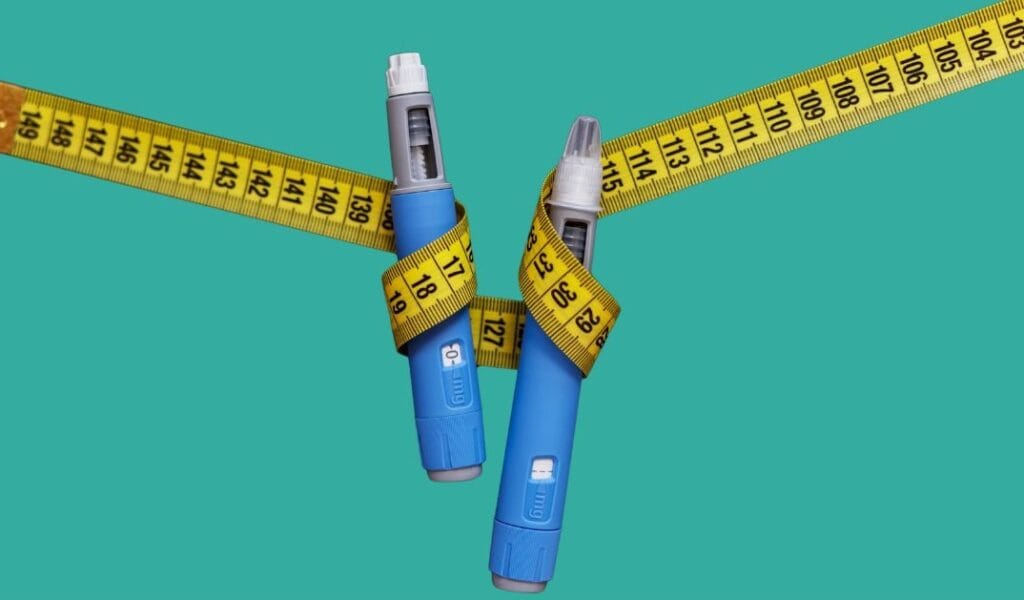
The Science Behind Mounjaro: Dual GIP and GLP-1 Receptor Agonist Explained
Mounjaro (generic name tirzepatide) is an innovative medication that has gained attention for its role in improving blood sugar control and promoting weight loss in people with type 2 diabetes. What makes Mounjaro unique is that it is the first medication to act as a dual GIP and GLP-1 receptor agonist, offering a novel approach to metabolic management. Understanding its science can help patients and clinicians appreciate why it has been called a game-changer in diabetes care.
What Are GIP and GLP-1?
To understand how Mounjaro works, it is helpful to know about two key gut hormones: GIP (glucose-dependent insulinotropic polypeptide) and GLP-1 (glucagon-like peptide-1). Both hormones are part of a group called incretins, which are secreted by the gut after eating.
GLP-1 stimulates the pancreas to release insulin when blood sugar levels rise, suppresses the hormone glucagon (which normally raises blood sugar), slows down gastric emptying, and promotes satiety. These effects help lower post-meal blood glucose and reduce appetite.
GIP also stimulates insulin release in a glucose-dependent manner and may have additional benefits, such as enhancing fat metabolism and improving insulin sensitivity in tissues.
Most current medications for type 2 diabetes that target incretins focus only on GLP-1, but tirzepatide activates both receptors simultaneously, which may provide additive or synergistic benefits.
How Mounjaro Works
Mounjaro mimics the actions of natural GIP and GLP-1 by binding to their receptors on pancreatic beta cells and other tissues. This leads to:
Enhanced Insulin Secretion – By stimulating insulin release only when blood sugar is high, Mounjaro helps prevent dangerous drops in blood glucose, unlike some older diabetes drugs.
Reduced Glucagon Production – Lower glucagon levels mean less sugar is released from the liver, which helps maintain steady glucose control.
Slower Gastric Emptying – By slowing the movement of food from the stomach into the small intestine, Mounjaro blunts post-meal blood sugar spikes.
Appetite Regulation – Activating GLP-1 and GIP receptors in the brain’s appetite centers promotes satiety, helping patients eat less and lose weight.
This multi-pronged mechanism not only improves glycemic control but also contributes to significant weight reduction, which is beneficial since obesity is a major driver of type 2 diabetes progression.
Clinical Benefits
Clinical trials have shown that tirzepatide leads to substantial reductions in HbA1c (a marker of long-term blood sugar control) and supports meaningful weight loss, sometimes greater than that seen with GLP-1 agonists alone. In some studies, participants lost over 15% of their body weight, a result comparable to certain bariatric procedures.
Beyond glucose and weight effects, early data suggest potential improvements in cardiovascular risk factors, including blood pressure and cholesterol levels. More long-term studies are underway to evaluate whether these translate into fewer heart attacks and strokes.

Who Should Take Mounjaro
Mounjaro is currently approved for adults with type 2 diabetes as an adjunct to diet and exercise. It is given once weekly as a subcutaneous injection, with doses gradually increased to minimize side effects. It is not intended for people with type 1 diabetes or for those in diabetic ketoacidosis.
Safety and Side Effects
Like other GLP-1 receptor agonists, Mounjaro can cause gastrointestinal side effects, including nausea, vomiting, diarrhea, and decreased appetite, particularly when starting treatment. Most side effects improve over time. Patients with a history of medullary thyroid carcinoma or multiple endocrine neoplasia syndrome type 2 should avoid this drug due to a potential risk of thyroid C-cell tumors observed in animal studies.
Final Thoughts
Mounjaro represents a significant advancement in diabetes treatment by targeting two powerful metabolic pathways simultaneously. Its ability to improve blood sugar control, reduce appetite, and support weight loss makes it an attractive option for many individuals struggling with type 2 diabetes. As research continues, its benefits may extend even further, potentially transforming the management of metabolic disease.
Our Products
-
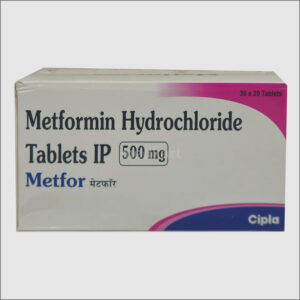
Metformin 500mg
$0.80 / Per Pill
-
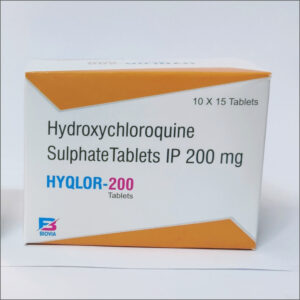
Hydroxychloroquine 200MG
$1.00 / Per Pill
-
Tapentadol 100 mg
$2.00 / Per Pill