Everyday Chemist

Tramadol 50 mg

Tramadol 50 mg is a prescription medication used to treat moderate to moderately severe pain. It is part of the opioid analgesic class, although it also possesses unique properties that set it apart from traditional opioids. Due to its dual mechanism of action—binding to opioid receptors and inhibiting the reuptake of norepinephrine and serotonin—it is considered an "atypical" opioid. Tramadol is often prescribed when other pain relief medications, such as nonsteroidal anti-inflammatory drugs (NSAIDs) or acetaminophen, do not provide adequate relief.
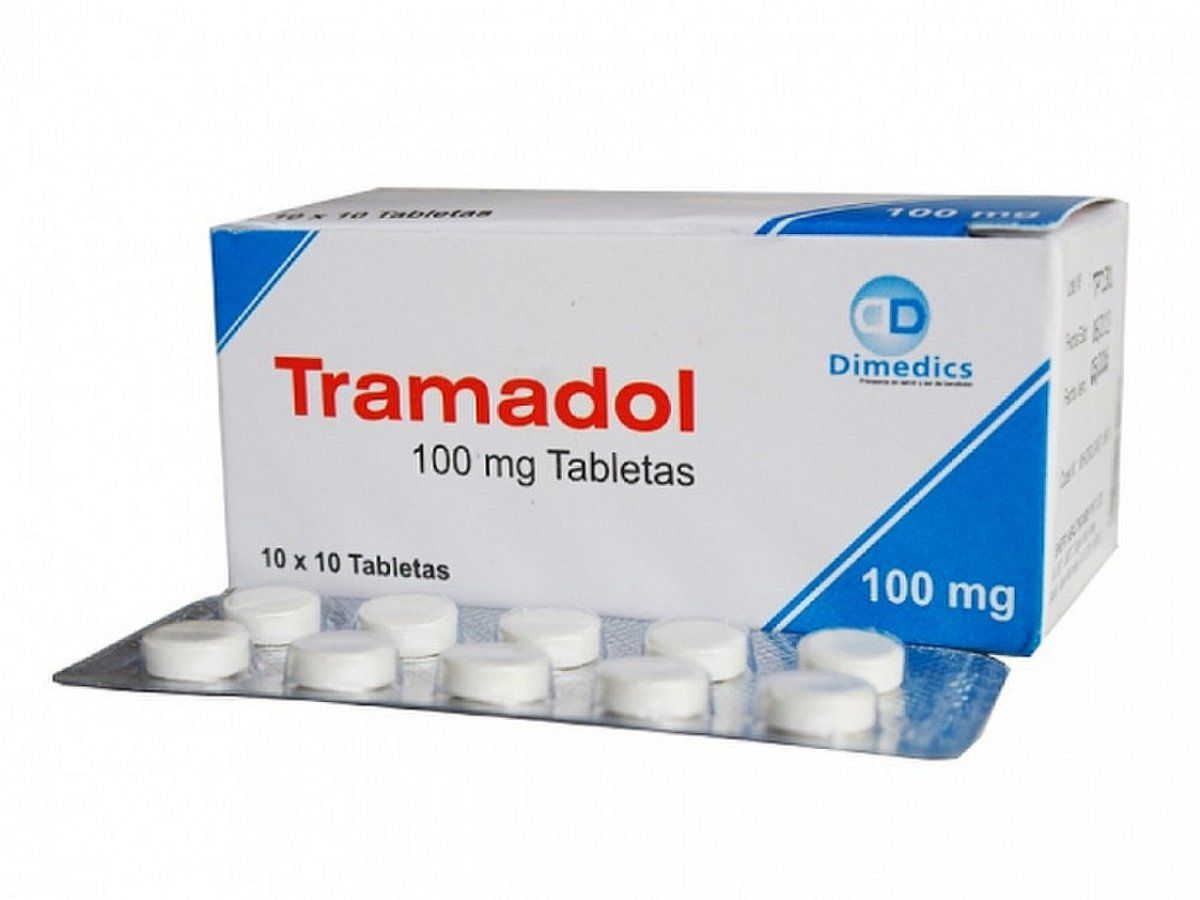
Table of Contents

Form and Dosage

Tramadol is available in various formulations, including tablets, capsules, and extended-release versions. The 50 mg immediate-release tablet is one of the most commonly prescribed doses. It is typically taken every 4 to 6 hours as needed for pain, with or without food. However, the total daily dose should not exceed 400 mg. For patients over 75 years of age or with renal or hepatic impairment, lower doses and less frequent administration are recommended.

Mechanism of Action

The expanded labeling requirement is rooted in post-market surveillance data, clinical trial results. Increasing anecdotal reports of adverse effects in adolescents. Health professionals have observed instances of gastrointestinal problems, nutritional deficiencies, suicidal ideation. Disordered eating behaviors in younger patients taking these medications. Although such risks exist in adult populations as well, the physiological and psychological vulnerabilities of younger individuals necessitate more tailored and cautious medical guidance.

Uses and Indications

  • Tramadol 50 mg is primarily indicated for:

  • Post-surgical pain

  • Osteoarthritis

  • Chronic back pain

  • Fibromyalgia

  • Neuropathic pain (in some cases)

  • It is often chosen when other non-opioid analgesics are not sufficient or when a patient cannot tolerate NSAIDs due to gastrointestinal, cardiovascular, or kidney issues.

Warnings and Precautions

  • Addiction Risk: While less addictive than some opioids, tramadol still carries a risk of misuse, dependence, and addiction, particularly with long-term use.

  • Interactions: Tramadol should not be used with alcohol, benzodiazepines, monoamine oxidase inhibitors (MAOIs), or other CNS depressants.

  • Seizure Risk: Patients with a history of seizures or those taking medications that reduce the seizure threshold should use tramadol cautiously.

  • Serotonin Syndrome: When taken with antidepressants such as SSRIs, SNRIs, or MAOIs, tramadol can increase the risk of serotonin syndrome—a condition marked by confusion, agitation, rapid heartbeat, and high body temperature.

Pregnancy and Breastfeeding

Tramadol is generally not recommended during pregnancy, especially in the third trimester. Due to potential risks to the unborn child. It can also pass into breast milk and may cause adverse effects in a nursing infant, such as difficulty breathing or drowsiness.

Conclusion

Tramadol 50 mg is a versatile and commonly prescribed medication for the treatment of moderate pain. It offers a unique dual mechanism of action that differentiates it from traditional opioids, making it a useful option in many clinical situations. However, it must be used with caution due to its potential for side effects, drug interactions, and dependency. Patients should always use tramadol exactly as prescribed by their healthcare provider and report any unusual symptoms or side effects immediately. With proper use, tramadol can significantly improve quality of life for those suffering from chronic or acute pain conditions.

Our Products

Helpful Links

Send Us a Message

Full Name
Scroll to Top