Pharmacological Background
Tramadol exerts its effects primarily through two pathways: weak agonism of mu-opioid receptors and inhibition of serotonin and norepinephrine reuptake. These effects contribute to its analgesic properties but also make it neurologically active in ways that overlap with antidepressant mechanisms. Specifically, serotonin-norepinephrine reuptake inhibition (SNRI) is a known pharmacological pathway in many modern antidepressants, such as venlafaxine and duloxetine.
Tramadol and Mood
There have been reports suggesting that tramadol may have mood-elevating effects in some individuals. Some patients taking the drug for pain management report improved mood, reduced anxiety, and better overall mental well-being. These anecdotal reports have led to further investigation into its potential antidepressant-like properties.
Small studies and case reports have indicated that tramadol might benefit individuals with treatment-resistant depression or coexisting chronic pain and depressive symptoms. In particular, people suffering from depression that has not responded to conventional treatments may experience some relief from tramadol, possibly due to its unique pharmacodynamics.
Risks and Limitations
-
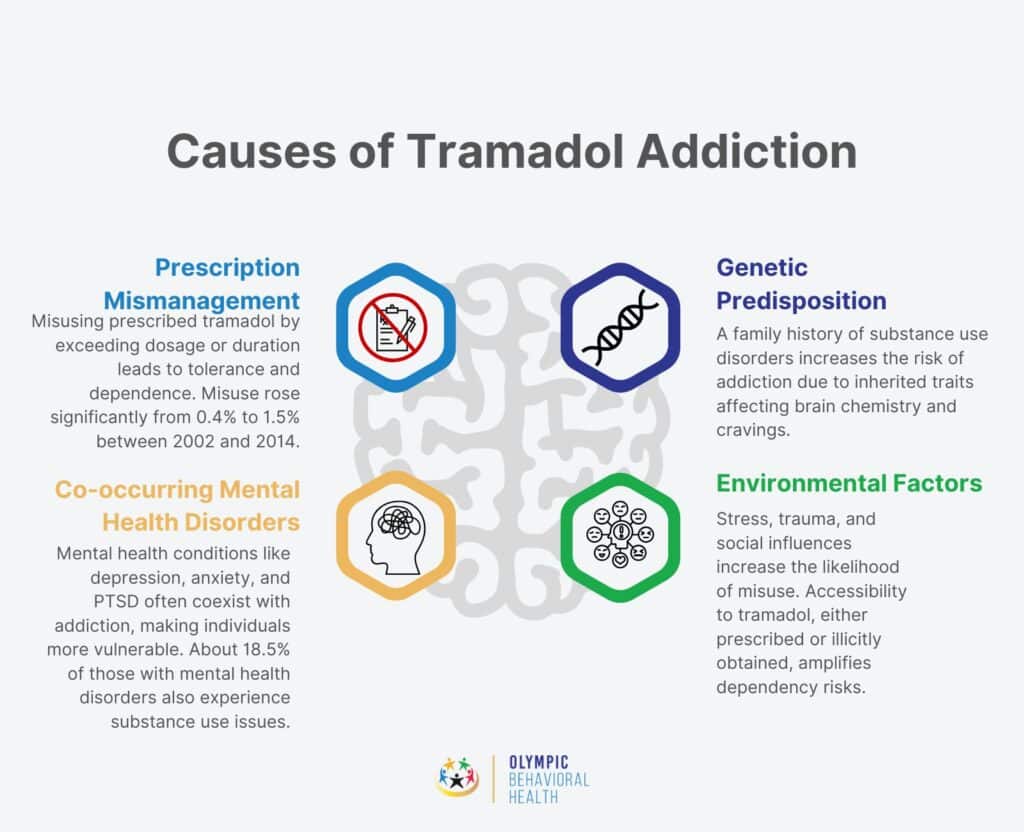
Despite the potential for mood improvement, tramadol carries significant risks that make its use for depression problematic and potentially dangerous. First and foremost, it is an opioid, and even though it is considered weaker than drugs like morphine or oxycodone, it still has a notable potential for addiction, tolerance, and physical dependence.
-
Furthermore, tramadol lowers the seizure threshold and can lead to serious adverse events, particularly in patients who have a history of seizures or who are taking other serotonergic medications. Combining tramadol with antidepressants—especially SSRIs, SNRIs, or MAOIs—can increase the risk of serotonin syndrome, a potentially life-threatening condition caused by excessive serotonergic activity in the brain.
-
Withdrawal from tramadol can also produce both physical and psychological symptoms, including depression, anxiety, insomnia, and flu-like symptoms. These withdrawal effects may complicate the clinical picture for someone already struggling with a mood disorder.
Regulatory and Medical Stance
Tramadol is not approved by the U.S. Food and Drug Administration (FDA) for the treatment of depression. Most medical guidelines discourage the use of opioid medications for psychiatric conditions unless absolutely necessary and under strict supervision. The potential benefits of mood improvement do not outweigh the serious risks associated with long-term opioid use.
In addition, studies supporting tramadol’s efficacy in treating depression are limited in scope, often anecdotal or based on small, non-randomized trials. The lack of robust clinical evidence prevents tramadol from being considered a safe or effective antidepressant.
Conclusion
While tramadol’s pharmacological properties theoretically support its potential use in mood disorders, its practical application in treating depression is highly problematic. The risks of dependency, withdrawal, and serious side effects make it an unsuitable and potentially dangerous option for most patients. Medical professionals generally advise against using tramadol as an antidepressant, emphasizing the importance of evidence-based treatments like SSRIs, SNRIs, psychotherapy, and lifestyle changes. Any off-label use of tramadol for depression should be approached with extreme caution and always under the guidance of a qualified healthcare provider.
Our Products
-
Hydroxychloroquine 400MG
$1.50 / Per Pill
-
Hydroxychloroquine 200MG
$1.00 / Per Pill
-
Tapentadol 100 mg
$2.00 / Per Pill