
Pharmacology
Tramadol
Tramadol is a synthetic opioid analgesic that works through a dual mechanism:
- Opioid Receptor Agonism: It primarily targets the mu-opioid receptors in the central nervous system (CNS), providing pain relief.
- Monoamine Reuptake Inhibition: It inhibits the reuptake of serotonin and norepinephrine, which enhances pain modulation at the spinal level.
Tramadol is metabolized in the liver, primarily by the enzyme CYP2D6, into its active metabolite O-desmethyltramadol (M1), which has a higher affinity for opioid receptors.
Tapentadol
Tapentadol is a newer opioid analgesic that also works through two mechanisms:
- Mu-Opioid Receptor Agonism: Similar to tramadol, it acts directly on mu-opioid receptors.
- Norepinephrine Reuptake Inhibition (NRI): Unlike tramadol, it does not affect serotonin levels, which reduces the risk of serotonin syndrome.
Tapentadol is metabolized mainly via glucuronidation rather than through CYP enzymes, minimizing the risk of drug interactions.
Uses and Indications
Tramadol
- Chronic Pain: Often prescribed for conditions such as osteoarthritis and back pain.
- Neuropathic Pain: Its monoaminergic activity makes it moderately effective for neuropathic pain.
- Postoperative Pain: Used for short-term pain relief.
- Combination Therapy: Available with acetaminophen to enhance analgesic effects.
Tapentadol
- Severe Acute Pain: More commonly used in situations where potent analgesia is required, such as postoperative pain or severe musculoskeletal pain.
- Chronic Pain: Effective in managing conditions like diabetic peripheral neuropathy.
Less Neuropathic Use: Due to its lack of serotonergic action, it is less favored for neuropathic pain compared to tramadol.
Efficacy Comparison
Both medications are effective for pain relief, but their efficacy differs based on the type of pain:
- Acute Pain: Tapentadol is generally considered more potent, with quicker onset and fewer side effects related to serotonin.
- Chronic Pain: Tramadol is often preferred due to its dual mechanism, particularly for pain with a neuropathic component.
- Neuropathic Pain: Tramadol is more effective due to its serotonergic activity.
Opioid-Sparing Effect: Tapentadol requires lower doses compared to tramadol to achieve similar analgesia, reducing opioid-related adverse effects.
Side Effects and Safety Profile
Tramadol
- Common Side Effects: Nausea, dizziness, constipation, headache, and drowsiness.
- Serious Risks:
- Seizures: Due to serotonin reuptake inhibition.
- Serotonin Syndrome: When combined with SSRIs, SNRIs, or MAOIs.
- Dependence and Withdrawal: Due to its opioid properties.
- Seizures: Due to serotonin reuptake inhibition.
- Drug Interactions: Increased risk with drugs that also affect serotonin levels or CYP2D6 inhibitors.
Tapentadol
- Common Side Effects: Nausea, vomiting, dizziness, constipation, and somnolence.
- Serious Risks:
- Respiratory Depression: More likely at high doses.
- Addiction and Dependence: Though less pronounced than with stronger opioids.
- Respiratory Depression: More likely at high doses.
- Drug Interactions: Fewer interactions due to non-CYP metabolism.
Advantage: Lower risk of serotonin syndrome and less impact on the CNS compared to tramadol.
Tolerability and Dependency
Tramadol
- Generally well tolerated when used as directed.
- Can lead to physical dependence, especially with long-term use.
- Discontinuation should be gradual to avoid withdrawal symptoms such as anxiety, tremors, and flu-like symptoms.
Tapentadol
- Lower risk of dependence compared to traditional opioids.
- Abrupt cessation can lead to withdrawal symptoms, but they are typically less severe than those associated with tramadol.
- Better tolerated in patients with impaired liver function since it bypasses CYP metabolism.
Clinical Considerations and Choice
- Patient Profile: Tapentadol is preferred for patients with a history of seizures or at risk of serotonin syndrome, while tramadol may be better for patients needing both opioid and neuropathic pain relief.
- Elderly Patients: Tapentadol is favored due to fewer drug interactions and lower CNS side effects.
- Risk of Abuse: Both drugs carry potential for misuse, but tapentadol has a slightly lower abuse potential compared to tramadol.
Cost and Availability: Tramadol is more widely available and generally less expensive.
Conclusion
Our Products
-
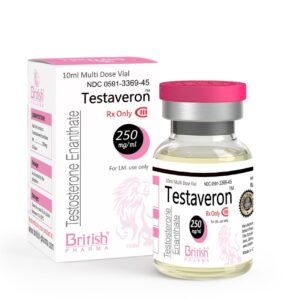
Testosterone Enanthate
$240.00 / Per 10ml
-
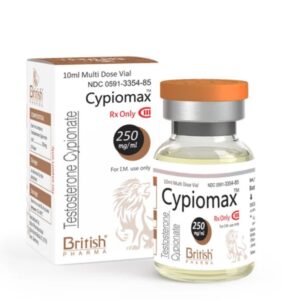
Testosterone Cypionate
$200.00 / Per 10ml
-
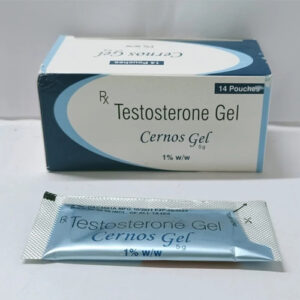
Testosterone Gel
$4.00 / Per Sachet