
Introduction
Ozempic and Wegovy, medications containing the active ingredient semaglutide, have gained widespread attention for their effectiveness in weight loss. Originally developed to treat type 2 diabetes, these drugs work by mimicking the GLP-1 hormone, which helps regulate appetite and blood sugar. While many patients experience significant weight reduction while using these medications, recent studies indicate that much of the lost weight often returns after treatment is stopped, raising important questions about long-term weight management.
How Ozempic and Wegovy Promote Weight Loss
Ozempic and Wegovy help people lose weight primarily by reducing appetite, slowing stomach emptying, and increasing feelings of fullness. As a result, individuals tend to consume fewer calories and feel less hungry throughout the day. Clinical trials have shown that patients can lose a substantial percentage of their body weight while consistently taking these medications, especially when combined with lifestyle changes such as healthier eating and increased physical activity.
What Happens After Stopping the Medication
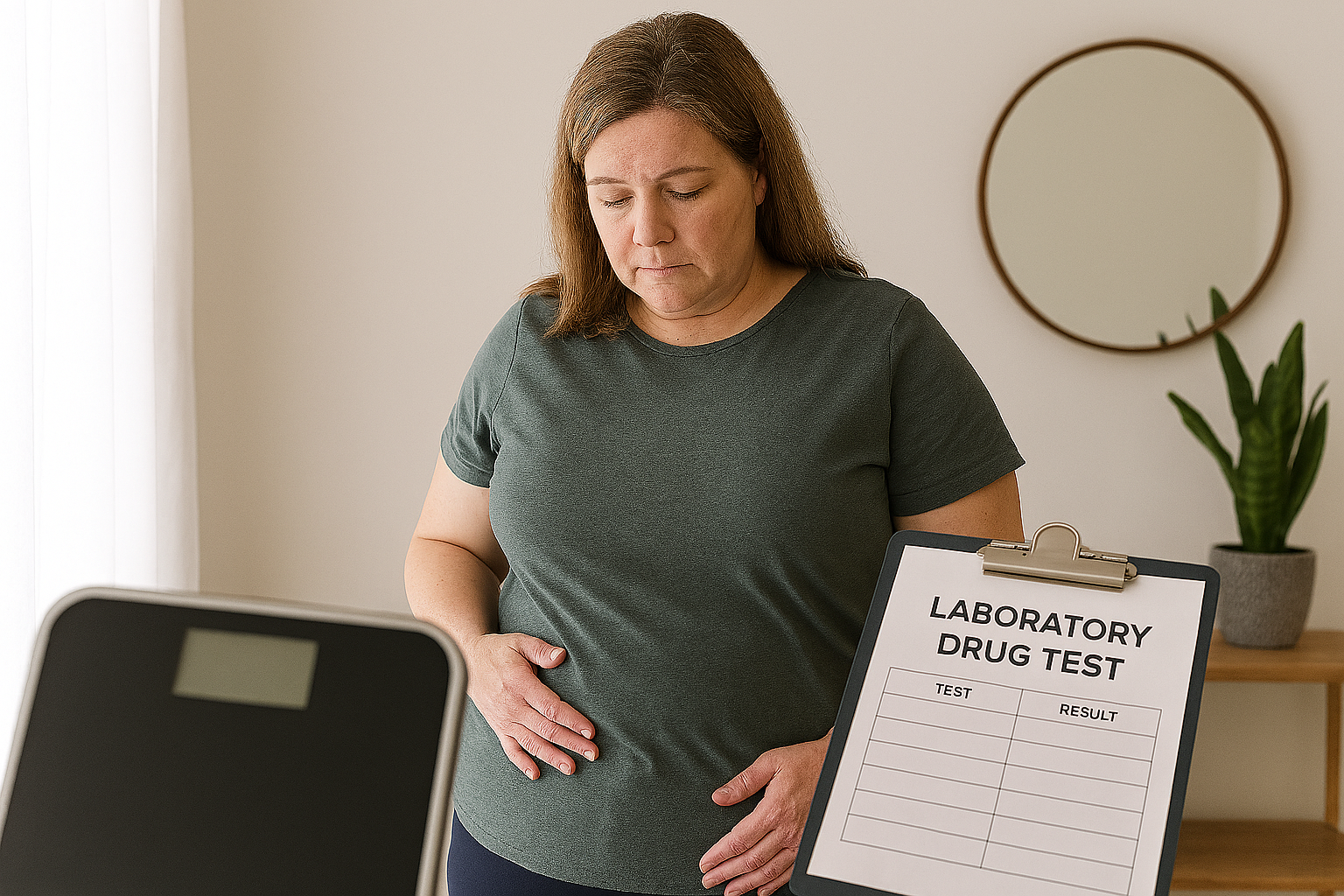
Studies have found that once patients discontinue Ozempic or Wegovy, appetite often returns to pre-treatment levels. Without the medication’s appetite-suppressing effects, many individuals gradually increase their calorie intake. As a result, weight regain is common, and in some cases, a large portion of the lost weight returns within months. This pattern highlights that the medication manages weight rather than permanently changing the body’s underlying weight regulation mechanisms.
The Role of Biology in Weight Regain
Weight regain after stopping semaglutide is strongly influenced by biology. The body has complex systems that regulate hunger, metabolism, and fat storage, often working to defend a higher “set point” weight. When weight is lost, hormonal changes can increase hunger and slow metabolism, making it difficult to maintain the lower weight without ongoing intervention. Ozempic and Wegovy help counteract these biological responses while in use, but once removed, the body’s natural signals often reassert themselves.
Importance of Long-Term Treatment Perspective
The findings suggest that medications like Ozempic and Wegovy may need to be viewed as long-term or even lifelong treatments for some individuals, similar to medications used to manage chronic conditions such as high blood pressure or diabetes. Stopping treatment without a sustainable plan for diet, physical activity, and behavioral support increases the likelihood of weight regain. This perspective challenges the idea of weight-loss drugs as short-term solutions.
Lifestyle Changes Still Matter
Although medication plays a powerful role, lifestyle changes remain essential for maintaining weight loss. Healthy eating habits, regular physical activity, adequate sleep, and stress management can help slow or reduce weight regain after stopping medication. However, studies suggest that lifestyle changes alone may not fully offset the biological drive to regain weight, especially for individuals with obesity-related metabolic factors.
Conclusion
Research shows that weight often returns after stopping Ozempic and Wegovy, emphasizing that these medications are tools for weight management rather than permanent cures. Long-term use, combined with lifestyle changes and medical guidance, may be necessary for sustained weight control. Recognizing obesity as a chronic condition can help reduce stigma and support more effective, realistic approaches to treatment.