Lifestyle Changes to Naturally Boost Testosterone
From puberty onward, testosterone is responsible for the development of male sexual characteristics such as a deeper voice, facial and body hair, and increased muscle mass. In men, healthy testosterone levels help regulate sperm production, bone density, red blood cell formation, and fat distribution. In women, testosterone is produced in much smaller amounts but still plays a vital role in maintaining bone strength, supporting libido, and balancing other hormones like estrogen.
Beyond physical characteristics, testosterone influences mood, motivation, and energy levels. Balanced levels are often linked to higher confidence, better focus, and an overall sense of vitality. Conversely, when testosterone levels are too low, individuals may experience fatigue, irritability, reduced muscle strength, and a decline in mental sharpness.
🎉 Participate in the Quiz & Win Prizes! 🎉
🏆 1st Prize: $20 Amazon Voucher
🥈 2nd Prize: $10 Amazon Voucher
📅 Winners will be announced on 31st August 2025.
💡 Your valuable time is precious to us. 💡
Don’t miss out—join the quiz and grab your chance to win! 🚀
Why Testosterone Matters for Women
For men, testosterone is a cornerstone of health. It is not only crucial for reproductive function but also for maintaining muscle mass and bone density, which naturally decline with age. Adequate testosterone levels help prevent conditions such as osteoporosis, where bones become weak and fragile. It also supports heart health by aiding red blood cell production and influencing fat metabolism.
When testosterone levels drop significantly—a condition often referred to as low testosterone or “low T”—men may experience symptoms like reduced sex drive, difficulty achieving or maintaining erections, weight gain (especially around the abdomen), decreased muscle mass, and even depression. Over time, untreated low testosterone can increase the risk of metabolic syndrome, type 2 diabetes, and cardiovascular disease.
Why Testosterone Matters for Men
For men, testosterone is a cornerstone of health. It is not only crucial for reproductive function but also for maintaining muscle mass and bone density, which naturally decline with age. Adequate testosterone levels help prevent conditions such as osteoporosis, where bones become weak and fragile. It also supports heart health by aiding red blood cell production and influencing fat metabolism.
When testosterone levels drop significantly—a condition often referred to as low testosterone or “low T”—men may experience symptoms like reduced sex drive, difficulty achieving or maintaining erections, weight gain (especially around the abdomen), decreased muscle mass, and even depression. Over time, untreated low testosterone can increase the risk of metabolic syndrome, type 2 diabetes, and cardiovascular disease.
Age-Related Decline and Modern Lifestyle Impact
One important reason testosterone matters is that its levels naturally decline with age. In men, production typically peaks during adolescence and early adulthood, then gradually decreases—about 1% per year after the age of 30. While this decline is natural, modern lifestyles often accelerate or worsen the drop. Factors such as poor diet, lack of exercise, chronic stress, inadequate sleep, and excessive alcohol use can significantly lower testosterone levels.
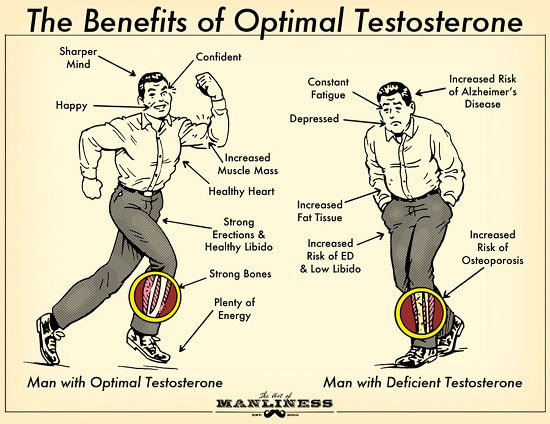
In today’s environment, many individuals experience low testosterone at earlier ages due to sedentary habits, obesity, and high stress. This highlights the importance of awareness, early diagnosis, and proactive lifestyle choices to maintain hormonal balance.
The Bigger Picture: Why Balance Matters
Testosterone is not simply about strength, sex drive, or outward appearance. It represents balance within the body’s hormonal system. Too little testosterone can negatively affect physical and mental health, but too much—whether due to natural imbalances or misuse of testosterone supplements—can also pose risks, including heart problems, mood swings, and infertility.
Ultimately, testosterone matters because it touches nearly every aspect of human health: from physical strength and reproductive function to mental well-being and disease prevention. Recognizing its importance helps individuals make informed decisions about their lifestyle, health checkups, and when to seek medical advice. Maintaining optimal testosterone levels is not about chasing extremes—it’s about supporting the body’s natural balance so that both men and women can enjoy vitality and longevity throughout life
Our Products
-
Gabapentin 300mg
$1.00 / Per Pill

-
Testosterone Gel
$4.00 / Per Sachet
-
Hydroxychloroquine 400MG
$1.50 / Per Pill