Disruption of Natural Behaviors
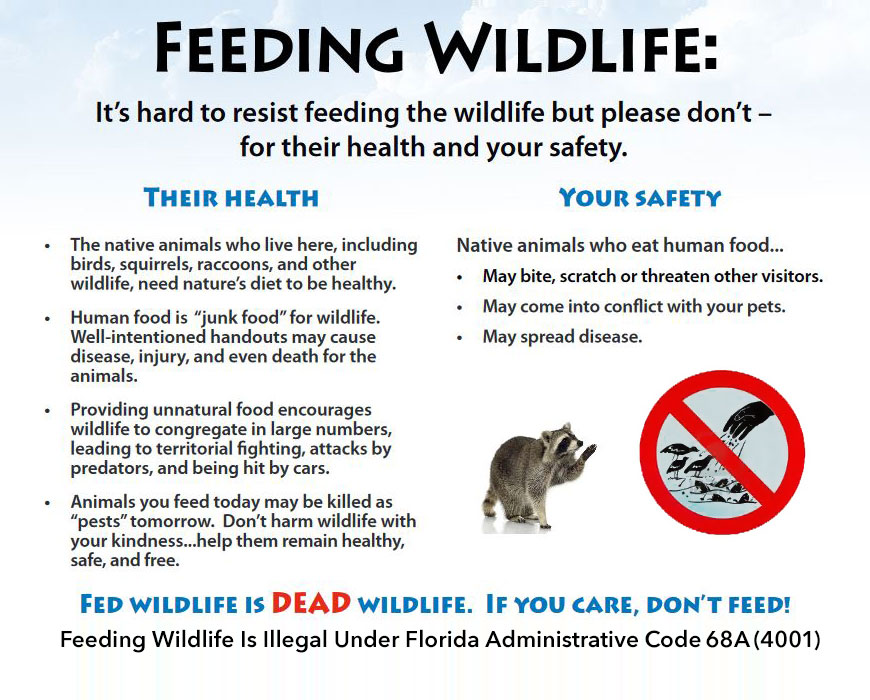
For example, animals that grow used to being fed by humans may stop migrating, stop hunting, or change their daily routines. This behavioral shift not only affects the individual animal but can also impact the local ecosystem and food chain.
Health Risks and Poor Nutrition
Another critical issue is that human food is often not suitable for wildlife. Foods like bread, chips, pet food, or processed scraps may be filling, but they lack the nutrients wild animals need to stay healthy. For instance, feeding bread to ducks and geese can cause malnutrition and a deformity known as “angel wing,” which makes them unable to fly.
Additionally, feeding wildlife in close contact can increase the spread of diseases. Animals feeding from the same food source—especially when left by multiple humans—can transmit viruses, parasites, and bacteria. Some of these illnesses, like avian botulism or distemper, can lead to widespread deaths in local populations. In some cases, diseases can also spread from animals to humans, a phenomenon known as zoonosis.
Increased Human-Wildlife Conflict
-
When wild animals associate humans with food, they can become bolder and lose their natural fear of people. This can lead to aggressive behavior and more frequent human-animal interactions, which are often dangerous for both parties.
-
Bears that become used to human food, for example, are far more likely to raid campsites or garbage bins and are sometimes euthanized because they pose a threat to public safety. Similarly, feeding coyotes or raccoons can encourage them to approach homes, increasing the risk of attacks or transmission of rabies and other diseases.
-
Even smaller animals like squirrels or birds can become nuisances if they start relying on humans for food. Once animals become a regular presence in urban areas, conflicts arise, and wildlife officials often have no choice but to relocate or euthanize them.
Ecological Imbalance
Feeding wild animals can also cause overpopulation in areas where food becomes artificially abundant. This can strain the local ecosystem, increase competition, and lead to habitat degradation. For instance, if too many deer congregate in one area because of a regular food source, they may overgraze and damage native vegetation.
Additionally, animals drawn to human-provided food may outcompete others that rely on natural foraging, leading to imbalances that ripple through the food web.
The Best Way to Help Wildlife
The best way to support wild animals is by respecting their space and preserving their natural habitat. Planting native species, protecting green spaces, keeping trash sealed, and supporting wildlife conservation organizations are far more effective than direct feeding.
In summary, while feeding wild animals might seem compassionate, it often leads to unintended consequences. It alters their behavior, affects their health, creates conflict, and disrupts ecosystems. For the safety and well-being of both animals and humans, experts strongly recommend allowing wildlife to stay wild.
Our Products
-
Lisinopril 10mg
$0.80 / Per Pill
-
Testosterone Gel
$4.00 / Per Sachet
-
Metformin 500mg
$0.80 / Per Pill