
Introduction to CPR
Teenagers often face early school start times, heavy homework loads, and social commitments that can disrupt their natural sleep patterns. Recent research suggests that allowing teens to sleep in during weekends may help protect them from depression and other mental health challenges. Sleep plays a critical role in emotional regulation, cognitive function, and overall well-being, making it an essential factor in adolescent mental health.
Why Teens Need More Sleep
Adolescents typically require 8 to 10 hours of sleep per night, yet studies show many get far less during school nights. Hormonal changes during puberty shift their internal biological clocks, causing teens to naturally fall asleep later and wake up later. Chronic sleep deprivation can lead to mood swings, irritability, poor concentration, and an increased risk of depression and anxiety.
Benefits of Sleeping In on Weekends
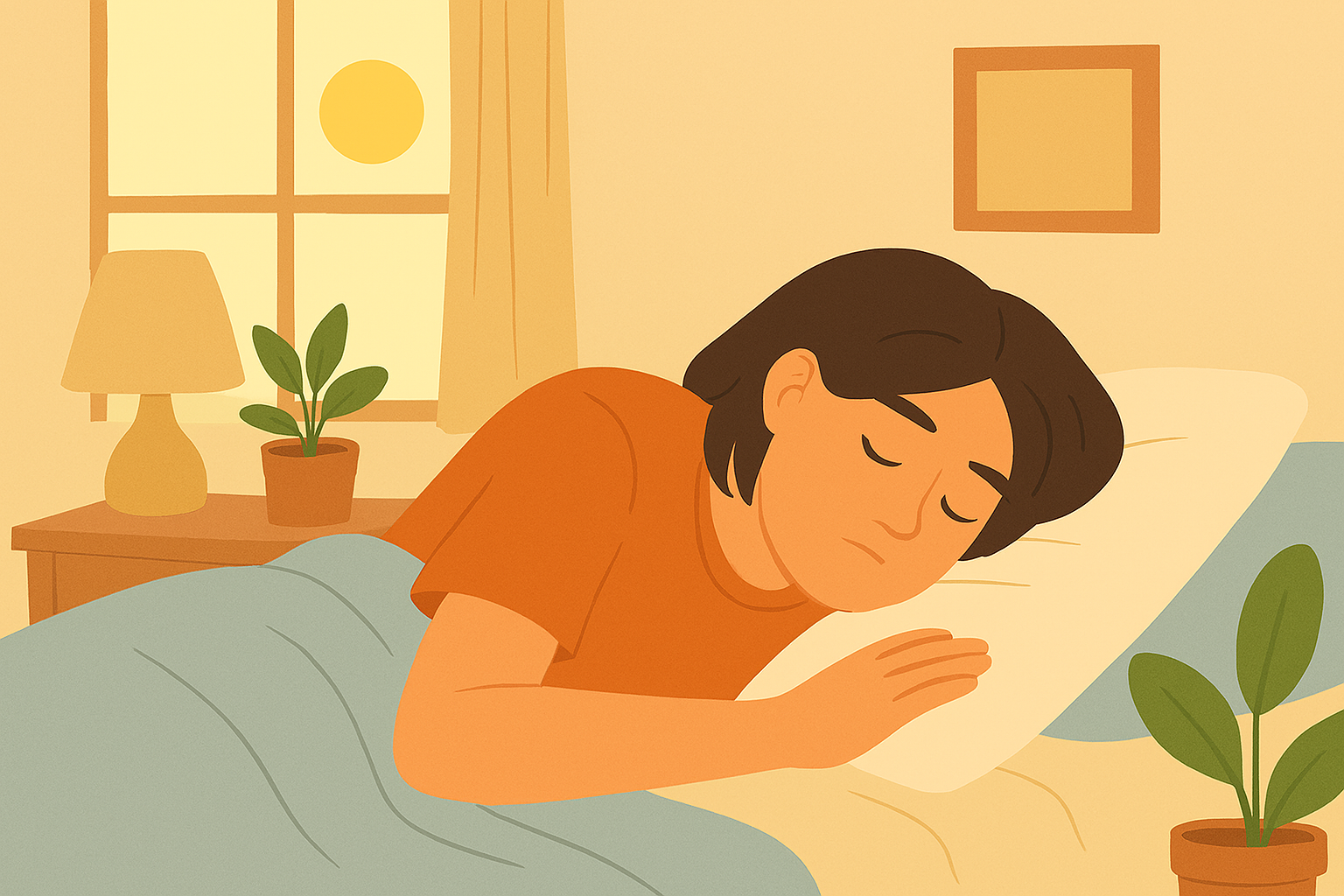
Catching up on sleep during weekends can help offset the negative effects of weekday sleep deficits. Extra sleep can improve mood, enhance cognitive performance, and restore energy levels. Studies indicate that teens who sleep in on weekends have lower rates of depressive symptoms compared to those who maintain a strict early wake-up schedule, suggesting that compensatory sleep may act as a protective factor for mental health.
Risks of Sleep Deprivation
Consistent lack of sleep is associated with numerous risks, including heightened stress response, weakened immune function, and impaired judgment. For teens, sleep deprivation is strongly linked to emotional and behavioral problems, including anxiety, depression, and increased susceptibility to stress. Over time, these effects can accumulate, negatively affecting academic performance, relationships, and overall quality of life.
Balancing Weekday and Weekend Sleep
While sleeping in on weekends can provide benefits, experts advise moderation. Oversleeping can disrupt the body’s natural circadian rhythm, leading to difficulty falling asleep on Sunday nights and “social jet lag.” The goal is to allow some extra rest without drastically altering sleep schedules, ideally going to bed slightly earlier and extending wake-up time by one or two hours rather than sleeping excessively.
Promoting Healthy Sleep Habits
Encouraging good sleep hygiene is essential for teens. Strategies include maintaining a consistent sleep schedule, creating a dark and quiet sleep environment, limiting exposure to screens before bedtime, and avoiding caffeine late in the day. Regular physical activity and stress management techniques can also support healthier sleep patterns and improve emotional well-being.
Conclusion
Allowing teenagers to sleep in on weekends can provide critical protection against depression and support overall mental health. While consistent, sufficient sleep is ideal, compensatory rest during weekends helps mitigate the negative effects of weekday sleep deprivation. By fostering healthy sleep habits and understanding adolescent sleep needs, parents and communities can help teens maintain both emotional balance and academic performance.